
When Chronic Pain Care Access is Interrupted: Why Continuity Matters

Finding care is one challenge. Being able to continue it can be another. A treatment plan may make sense in the clinic but become difficult once it meets work schedules, transportation, caregiving, insurance limits, or the cost of repeated appointments. When pain has lasted for months or years, those practical barriers can interrupt care just […]
Chronic Pain Progress Is About More Than a Pain Score

“How would you rate your pain today?” It is a familiar question, and sometimes a useful one. But a single number cannot show the full effect chronic pain has on your life. It cannot tell someone whether you slept through the night, walked the dog, made dinner, sat through a meeting, or felt comfortable picking […]
Chronic Pain Flare-Ups Don’t Mean You’re Back at the Beginning

You have been moving more comfortably. Sleeping a little better. Getting through more of the day without thinking about every step or reach. Then the pain picks up again. It can be discouraging, especially when you have worked hard to make progress. A flare-up may leave you wondering whether you did something wrong, caused new […]
Fantasy Football Injury Guide & Path to Recovery

In a traditional physical therapy clinic, we wait for a tissue to fully heal, remodel, and become pain-free before clearing someone. NFL players have access to state-of-the-art rehab, experimental treatments, and it is their literal job to get better. Additionally, if an injury doesn’t cause immediate structural failure, the timeline becomes a high-stakes business calculation. […]
Crush Tennis Elbow and Pickleball Elbow: 3 Exercises to Stop the Pain

Got a nagging pain on the outside of your elbow? You aren’t alone. Whether you call it tennis elbow or pickleball elbow, it is incredibly frustrating. Medically, this is called lateral epicondylalgia. It happens right at the lateral epicondyle: the bony bump on the outside of your elbow. This is where your forearm muscles attach […]
Pain Neuroscience Education: When Patients Understand Their Pain
For decades, pain has often been viewed as a direct signal of tissue damage. If something hurts, something must be injured. While that may be true for acute injuries, chronic pain is far more complex. Today, advances in pain science have transformed our understanding of how pain works. Researchers and clinicians now recognize that pain […]
Why Treating the Body Alone Isn’t Enough for Chronic Pain Recovery

For decades, chronic pain treatment focused primarily on identifying and addressing physical causes of pain. While physical health remains an important part of recovery, research continues to show that pain is far more complex than a single diagnosis, injury, or imaging result. Today, leading pain experts recognize that chronic pain is influenced by a combination […]
Hybrid Care Can Extend Chronic Pain Support Without Replacing the Relationship
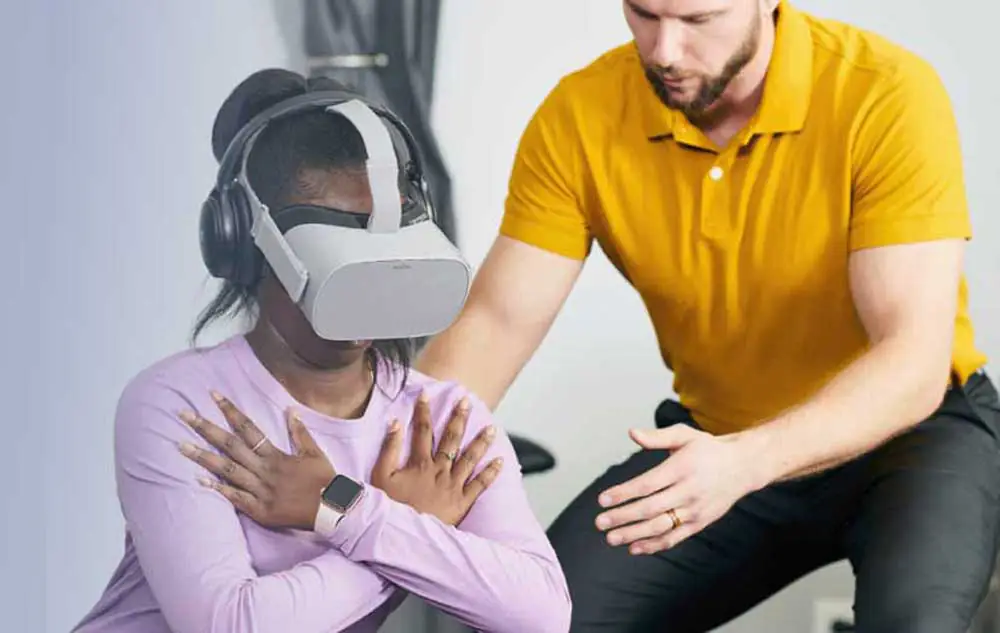
Chronic pain recovery often happens between visits. It happens when patients try a home exercise, return to walking, manage a flare-up, sleep differently, practice pacing, or decide whether movement feels safe enough to continue. That is why continuity matters so much. For patients living with chronic musculoskeletal pain, support cannot only exist inside the clinic. […]
Pain Education Is a Trust Strategy in Chronic Pain Care

In The Pain Perspective, Confluent Health’s independent research study of more than 1,300 patients, clinicians, and physicians, patients consistently expressed the need for providers who listen, explain, and create realistic care plans. The report also found that 88% of clinicians said patients ask for non-pharmacologic options, and 57% of clinicians reported being very familiar with […]
Chronic Pain Care Pathways Must Evolve for Better Long-Term Outcomes

Chronic pain is not an acute episode that simply lasts longer. It is a long-term health experience that affects how people move, work, sleep, function, and participate in daily life. Yet too often, the systems built to manage musculoskeletal pain still operate around short-term care windows, limited visits, fragmented referrals, and discharge-based thinking. That mismatch […]