
Your Physical Therapist can help you adjust how, when, and where you move so you can stay active safely during the summer months. Whether you are recovering from an injury, managing pain, returning to exercise, or trying to stay active as you age, a physical therapist can help you keep moving without pushing your body too far in extreme heat.
Why Heat Makes Movement Feel Harder
Hot weather puts extra stress on your body. When temperatures and humidity rise, your body works harder to cool itself. You may sweat more, lose fluids faster, and feel tired sooner than you would in cooler weather.
This can affect everyday activities like:
- Walking outside
- Gardening or yard work
- Running errands
- Exercising outdoors
- Playing sports
- Traveling or sightseeing
- Spending more time on your feet
For people recovering from surgery, managing pain, rebuilding strength, or working on balance, heat can make activity feel even more challenging. A routine that felt manageable in cooler weather may need to be adjusted during a heatwave.
Keep Moving, But Make It Safer
Your physical therapist may help you:
- Shorten or adjust your exercise sessions
- Reduce intensity on very hot days
- Move activity indoors
- Add more rest breaks
- Focus on mobility, strength, and recovery
The goal is not to push through extreme heat. The goal is to make movement safer, more manageable, and more sustainable.
“During a heatwave, the goal is to keep moving but adjust your training variables. If exercising outdoors, planning early morning or evening workouts with longer rest, more hydration, and electrolyte supplementation is a must. Unless your goal is to become acclimated to the extreme heat to compete outdoors, it’s probably a better idea to move your training inside to get the best stimulus.”
— Alex Corbett, PT, DPT
Watch for Heat Cramps and Warning Signs
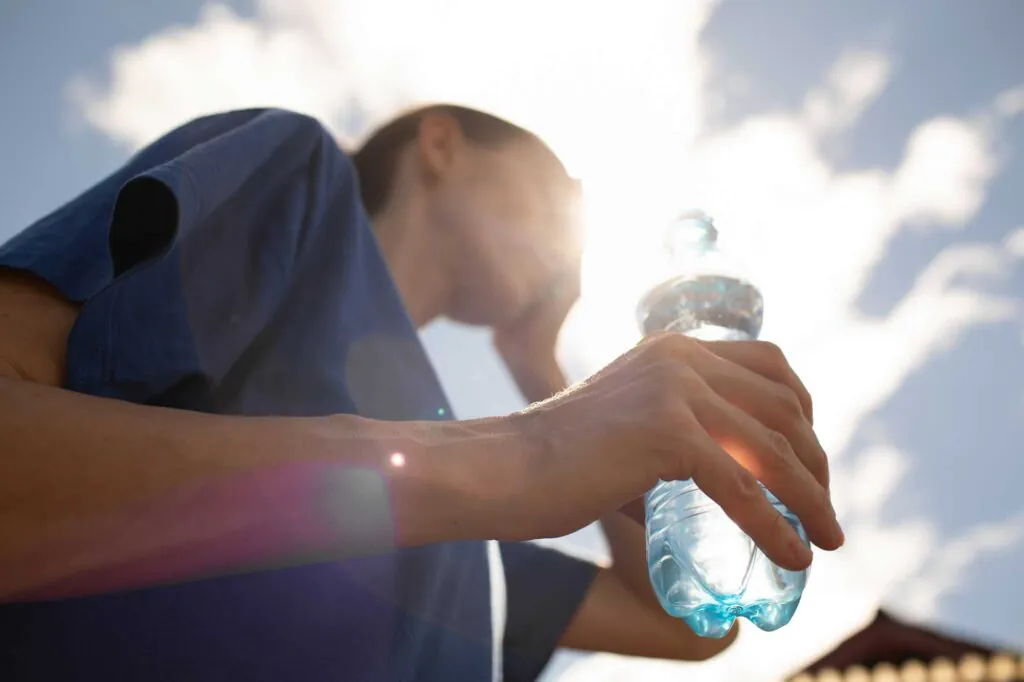
Heat cramps are painful muscle spasms that can happen during or after activity in hot weather. They are often linked to heavy sweating, dehydration, and loss of electrolytes.
If you feel a heat cramp:
- Stop what you are doing
- Move to a cooler place
- Gently stretch or massage the muscle
- Drink water or an electrolyte drink
- Rest before returning to activity
It is also important to listen to your body. Stop exercising and cool down if you notice:
- Dizziness or lightheadedness
- Nausea
- Headache
- Unusual weakness
- Heavy sweating with fatigue
- Feeling faint
- Confusion
- Symptoms that do not improve with rest, fluids, and cooling
Heat stroke is a medical emergency. If someone becomes confused, passes out, has a very high body temperature, or appears seriously ill after heat exposure, call 911 right away.
Simple Ways to Stay Active in Hot Weather
Small changes can help you keep moving while lowering your risk of heat-related problems.
Try these heat-smart tips:
- Exercise early in the morning or later in the evening
- Move your workout indoors on very hot days
- Choose shaded routes when walking outside
- Take more frequent breaks
- Slow your pace
- Reduce the number of exercises or repetitions
- Drink water before, during, and after activity
- Wear lightweight, breathable clothing
- Choose supportive shoes
For longer or more intense activity, an electrolyte drink may be helpful because sweating can cause your body to lose important minerals. If you have a medical condition or take medications that affect hydration, talk with your health care provider about what is right for you.
Try Lower-Impact or Water-Based Movement
Hot weather can be a good time to change your routine instead of stopping completely. Pool exercises, swimming, or water walking can help you move while staying cooler.
Some physical therapy clinics also offer aquatic therapy or have access to pools, which can be a helpful option during periods of extreme outdoor heat. Where available, pool-based therapy allows patients to work on strength, mobility, balance, and endurance in a cooler, lower-impact environment.
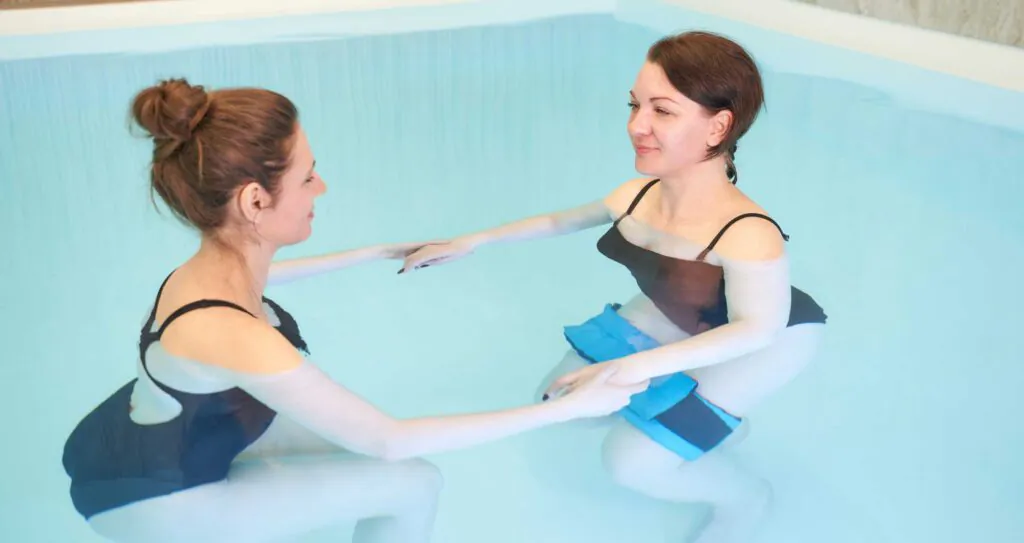
Water-based movement may be helpful for people dealing with:
- Arthritis
- Back pain
- Hip or knee pain
- Joint stiffness
- Weakness
- Balance concerns
- Recovery after certain injuries
Water can take pressure off your joints while still helping you build strength, mobility, and endurance. If you are recovering from an injury or surgery, ask your physical therapist if pool-based exercise or aquatic therapy is a safe option for you.
When to See a Physical Therapist
Consider seeing a physical therapist if heat, pain, stiffness, weakness, or balance concerns are making it harder to stay active.
Physical therapy may help if you:
- Feel pain during or after activity
- Are recovering from an injury or surgery
- Want to return to walking, running, sports, or exercise safely
- Feel weaker or less steady than usual
- Are unsure how to adjust your routine in hot weather
Keep Moving Safely This Summer
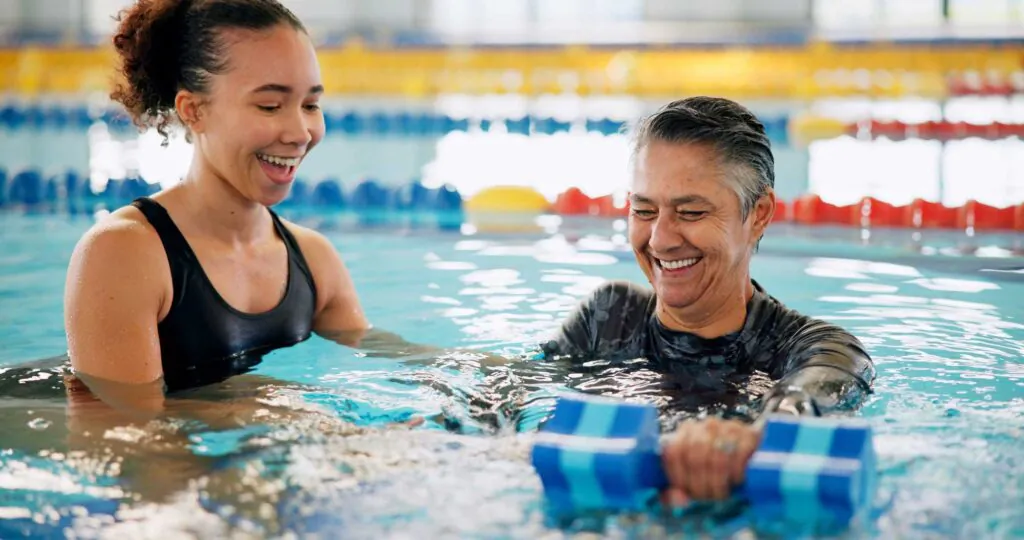
Heat may change your routine, but it does not have to stop your progress. With the right plan, you can stay active while protecting your body from heat-related stress.
Physical therapy can help you understand what your body needs, adjust your movement safely, and build confidence through the summer months.
If pain, stiffness, weakness, or summer activity is making movement harder, find a physical therapist near you and take the next step toward moving safely this season.
