
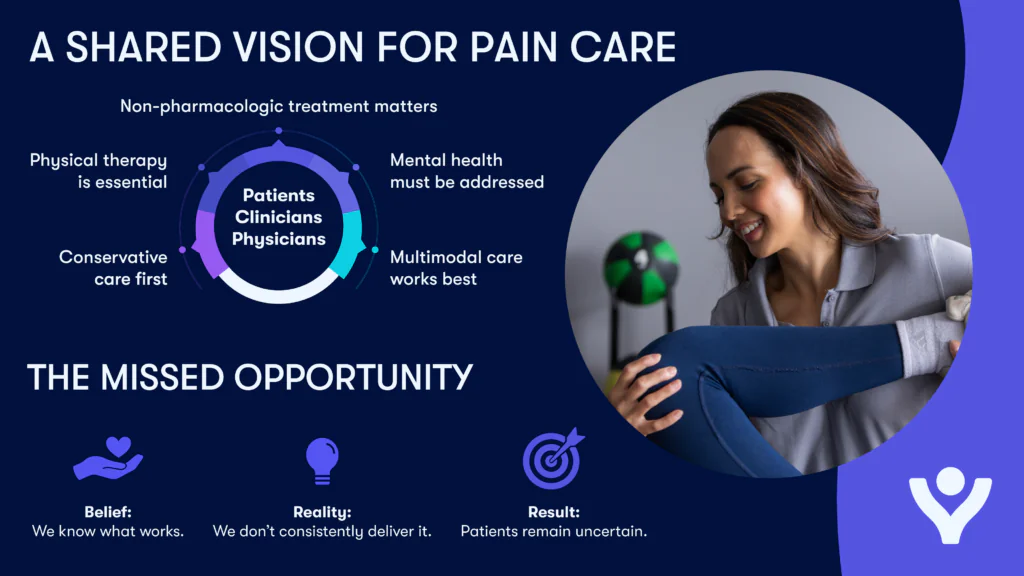
Despite advances in healthcare, chronic pain continues to impact physical health, mental well-being, relationships, work, and overall quality of life. Too often, care pathways focus narrowly on symptoms while overlooking the broader factors that influence how pain is experienced and managed.
To better understand these realities, Confluent Health launched The Pain Perspective, a proprietary research initiative exploring how chronic pain affects patients and what they are seeking from their care experiences.
The findings reinforce a growing consensus among clinicians and researchers: chronic pain is not simply a physical condition. It is a whole-person experience.
Chronic Pain Touches Every Part of Life
One of the clearest themes throughout the research is that pain rarely exists in isolation.
Patients described challenges that extended beyond physical discomfort, including impacts on sleep, mental health, work responsibilities, social relationships, and daily activities. For many, pain influences not only what they can do but how they feel about their ability to participate in the activities that give life meaning.
This is an important reminder for healthcare providers. While reducing pain remains a critical goal, patients often define success differently. They want to return to work. Play with their children. Exercise with confidence. Sleep through the night. Enjoy life again.
The Need for a More Complete Approach
As our understanding of pain has evolved, so has our understanding of recovery.
Research continues to demonstrate that biological, psychological, and social factors all influence pain outcomes. Stress, fear of movement, sleep quality, mental health, support systems, and personal beliefs can all shape the pain experience.
Effective care recognizes this complexity.
Rather than focusing solely on symptoms, modern chronic pain management seeks to address the factors that may be contributing to pain while helping patients build confidence, improve function, and regain control of their lives.
Education Matters
Another important theme emerging from both the research and clinical practice is the role of education.
Patients who understand pain are often better equipped to engage in recovery. Helping individuals make sense of their symptoms, understand the science of pain, and develop confidence in movement can be a powerful part of treatment.
Education is not simply information sharing. It can help reduce fear, improve self-efficacy, and support meaningful behavior change.
Looking Ahead
The goal of The Pain Perspective is not simply to report findings. It is to advance the conversation around chronic pain and encourage healthcare leaders, clinicians, employers, and policymakers to consider what recovery truly requires.
As the healthcare industry continues to seek more effective and sustainable solutions, one message is becoming increasingly clear:
Chronic pain requires more than symptom management. It requires whole-person care.
This report is just the beginning of that conversation.
