
5 Ways Physical Therapy Can Support Your Health Beyond Injury Recovery

You want to feel stronger before a hiking trip. Your usual exercise class feels harder than it used to be. Or you feel less steady carrying laundry down the stairs. These are all reasons to ask whether physical therapy could help. October is Physical Therapy Month, a good time to explore the different ways physical […]
Confluent Health Celebrates 66 Physical and Occupational Therapists Earning Prestigious Board Certifications

Newly credentialed clinicians strengthen Confluent Health’s commitment to advanced expertise and exceptional care. Louisville, Ky. (Sept. 17, 2026) — Confluent Health is celebrating 66 physical and occupational therapists across its Partner Brands who have earned nationally recognized board certifications, marking a significant achievement in their professional development and demonstrating their commitment to advanced clinical practice […]
Pain Awareness Month: The Overlooked Connection Between Chronic Pain and Mental Health

Pain Awareness Month is an important reminder that chronic pain affects far more than muscles and joints. It influences how people work, sleep, move, connect with others, and experience everyday life. Yet one of the most overlooked aspects of chronic pain remains its profound impact on mental and emotional well-being. Confluent Health’s latest proprietary research […]
Ice May Help Baseball Pitchers Recover Faster

For years, icing was one of the most common recommendations after sports and exercise. More recently, that advice has been questioned, with concerns that reducing inflammation too aggressively could interfere with the body’s natural recovery and adaptation process. That has pushed the pendulum in the opposite direction, with some athletes avoiding ice altogether. A recent […]
Pain Awareness Month: What Patients Are Telling Us About the Future of Chronic Pain Care

September is Pain Awareness Month, a time to elevate the conversation around chronic pain, challenge misconceptions, and advocate for better care for the millions of Americans living with musculoskeletal (MSK) conditions. At Confluent Health, awareness is only the beginning. Meaningful change starts with listening. That’s why we launched Confluent Health’s latest proprietary research initiative, The […]
How to Reduce Injury Risk in Youth Sports: A Guide for Parents and Athletes
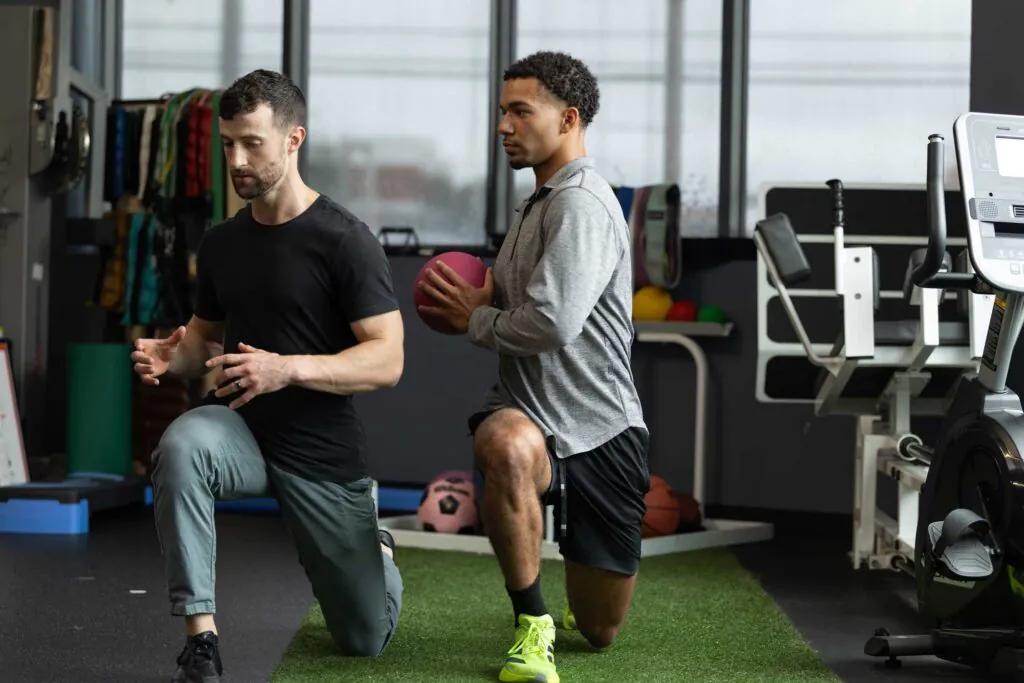
Fall sports bring an increase in practices, games, and overall sport activity. Some injuries will happen even when athletes and parents do everything right. Although complete prevention is not possible, athletes can control variables to reduce their risk of injury. Research consistently points to several areas that can help youth athletes better tolerate the demands […]
PT-First Referrals for Chronic Pain: Why Physician Trust Isn’t Enough

Physical therapy does not face a credibility problem among the referring physicians represented in The Pain Perspective. More than 85% expressed confidence in referring to physical therapy for chronic pain management. They identified PT as a core component of care, a way to reduce reliance on medication, and a foundation for long-term functional improvement. More […]
The Chronic Pain Optimism Gap Is a Patient-Experience Challenge

Clinicians see reasons for optimism in the chronic pain optimism gap. They see patients rebuild strength, return to meaningful activities, and understand pain in ways that reduce fear. They see growing acceptance of non-pharmacologic care, better use of patient-reported outcomes, and new delivery models that can extend support beyond the clinic. Patients often see something […]
Chronic Pain Outcome Measures: Looking Beyond Pain Scores

Pain intensity is easy to ask about and easy to record. That convenience has given it an outsized role in how musculoskeletal care is discussed, evaluated, and sometimes reimbursed. For chronic pain, the number is rarely the whole story. A patient may report little change in pain intensity while walking farther, sleeping better, returning to […]
Afraid to Move? How Physical Therapy Helps You Rebuild Confidence

You used to take the stairs without thinking about it. Now you pause at the bottom. Maybe you avoid bending because you are worried about your back. You have stopped walking as far as you once did, or you turn down activities because you are not sure how your body will feel afterward. When movement […]