
Why Balance Matters
Good balance helps reduce the risk of falls, improve confidence with movement, and make everyday activities easier. Balance is especially important as we age, but it is beneficial for people of all ages and activity levels.
Many people think balance is simply a matter of standing on one leg. In reality, your balance relies on three major systems working together:
- Vision – provides information about your surroundings
- Proprioception – your body’s awareness of where your joints and limbs are positioned
- Vestibular system – located in the inner ear, which helps detect head position and movement
When one system becomes less reliable, the body relies more heavily on the others. Balance exercises can challenge these systems in different ways and help improve your ability to stay stable during everyday activities.
Strength vs Balance Training
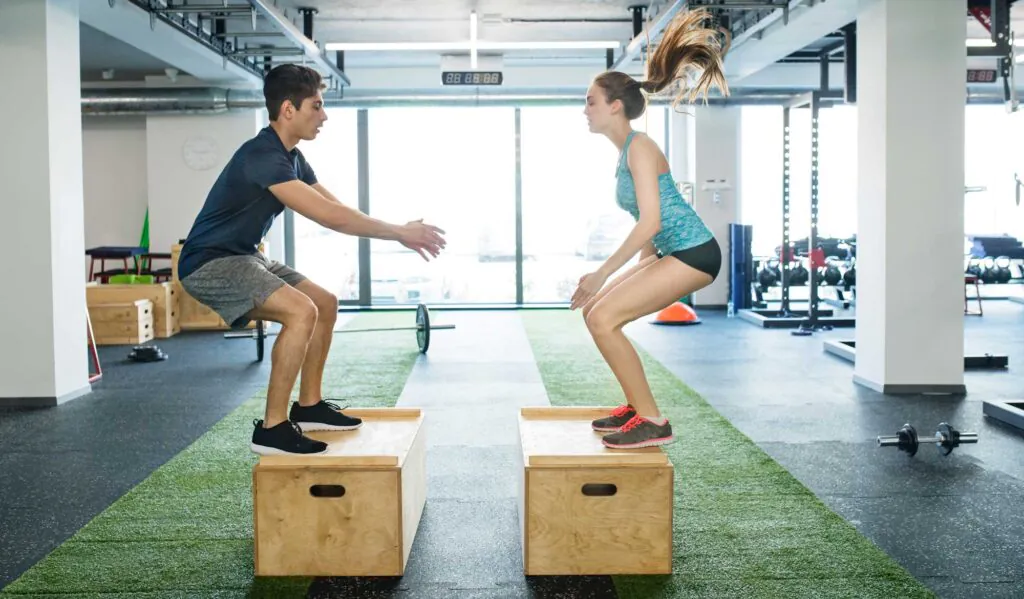
It is also important to remember that strength is a major foundation of balance. Before your body can react to a loss of balance, it must have enough strength to support your body weight, control your movements, and help you recover from a stumble or misstep. Improving lower body strength can also improve balance and confidence with movement.
However, a common mistake people make is trying to turn every strength exercise into a balance exercise. While this may seem more “functional,” it often reduces the effectiveness of both. For example, performing a heavy squat on an unstable surface may challenge balance, but balance becomes the limiting factor before your strength is adequately challenged
Strength exercises are best used to build force and muscle, while balance exercises help improve stability, body awareness, reaction time, and movement control. For most people, the best approach is to include both as part of a well-rounded exercise program instead of created a diluted pool of exercises.
Four Exercises to Improve Balance
Because balance relies on multiple systems working together, it is important to challenge your body in different ways. The exercises below progress from controlled balance challenges to more dynamic and reactive movements.
Single Leg Eyes Closed Balance
This exercise involves standing on one leg while closing your eyes to reduce visual input.
Many people rely heavily on vision to maintain balance. By closing your eyes, your body must rely more on proprioception and the vestibular system. This can improve stability when walking in a dark room or low-light environments.
How To Perform It
- Stand near a wall or countertop for safety
- Lift one foot off the ground
- Once stable, close your eyes
- Hold the position upright for 30-60 seconds
- Repeat on both sides, 4 times each
Progression
Perform the exercise on a foam pad or other unstable surface. This reduces the reliability of proprioceptive feedback from the feet and ankles, forcing the vestibular system to work even harder.
Single Leg Kettlebell Pass-Arounds
This exercise combines single leg balance with controlled movement by passing a kettlebell or dumbbell around your body.
Many daily activities require you to maintain balance while reaching, carrying, or moving objects. This exercise challenges your ability to stay stable while your center of mass shifts.
How To Perform It
- Stand on one leg
- Hold a kettlebell or dumbbell
- Slowly pass the weight around your waist from hand to hand
- Maintain an upright posture and avoid excessive leaning
- Perform 10-20 reps, 4 rounds
Progression
Increase the weight being used or perform the exercise on a foam pad or other unstable surface.
Single Leg Reactive Taps
This exercise challenges balance while responding to changing visual targets, such as BlazePods or other markers.
Balance is not always predictable. In everyday life, we often need to react to changing environments and unexpected movements. This exercise improves reaction time, coordination, and reactive balance.
How To Perform It
- Stand on one leg
- Position visual targets around you
- Reach and tap the targets as they are called out or illuminated
- Continue while maintaining balance and control
- Perform for 30-60 seconds, 4 rounds
Progression
Perform the exercise on a foam pad, BOSU ball, or other unstable surface.
Multidirectional Jump and Land
This exercise involves jumping in different directions and controlling the landing position.
This exercise trains dynamic balance, force absorption, and the ability to regain stability after a sudden change in direction or a misstep.
How To Perform It
- Begin standing on two feet
- Jump forward, backward, and sideways
- Land softly and hold the position for two to three seconds
- Focus on maintaining balance before performing the next repetition
- Perform 5 jumps in each direction, 4 times
Progression
Progress from landing on two feet to landing on one foot while maintaining control of the landing.
Final Thoughts
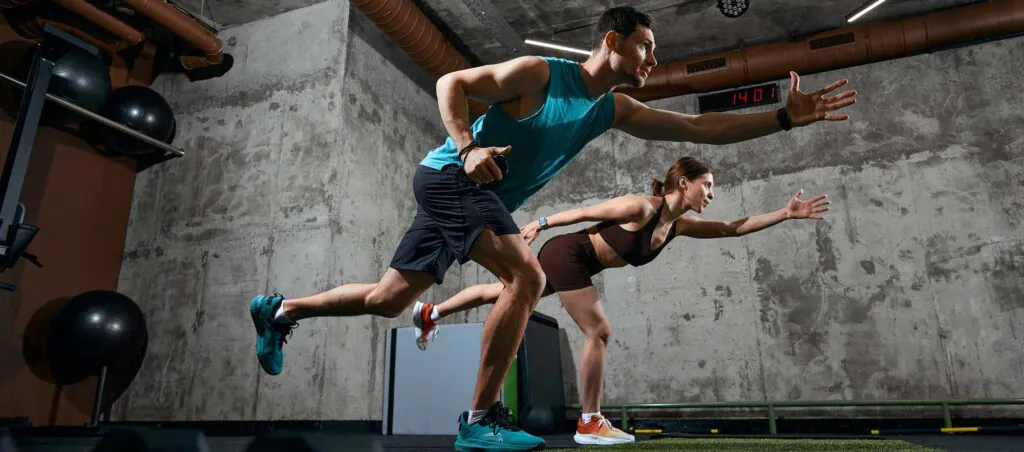
Balance is a skill that depends on strength, coordination, body awareness, vision, proprioception, and the vestibular system. The best balance programs challenge these systems in different ways rather than relying on a single exercise.
If balance difficulties are affecting your confidence, mobility, or daily activities, a Physical Therapist can help identify the underlying cause and develop a personalized treatment plan.
