
Hybrid Care Can Extend Chronic Pain Support Without Replacing the Relationship
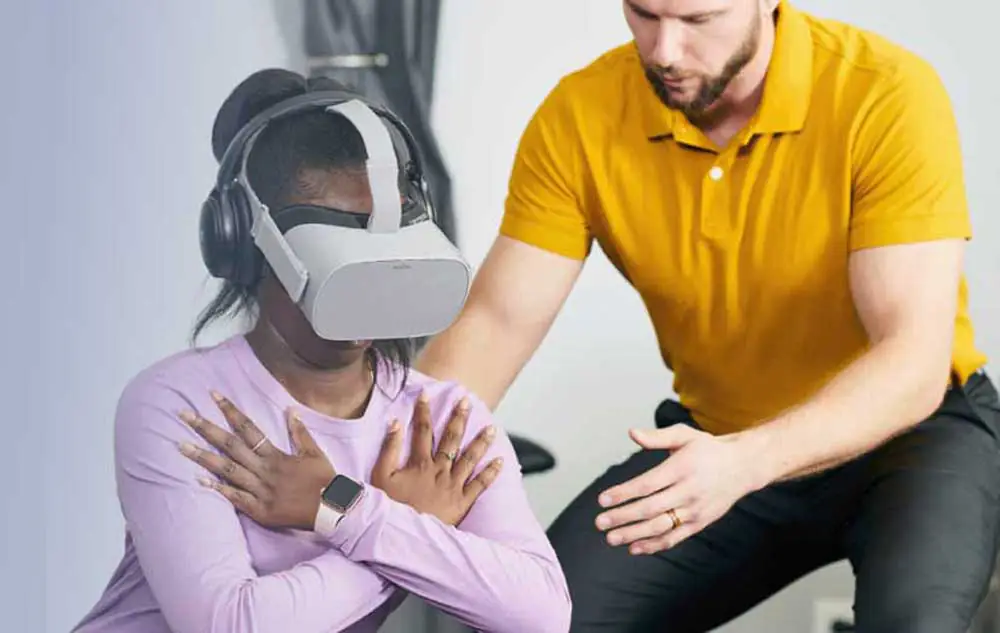
Chronic pain recovery often happens between visits. It happens when patients try a home exercise, return to walking, manage a flare-up, sleep differently, practice pacing, or decide whether movement feels safe enough to continue. That is why continuity matters so much. For patients living with chronic musculoskeletal pain, support cannot only exist inside the clinic. […]
Pain Education Is a Trust Strategy in Chronic Pain Care

For many patients living with chronic pain, the hardest part is not only the pain itself. It is the uncertainty. Patients may wonder why pain persists, whether movement is safe, whether their body is damaged, whether activity will make things worse, or whether recovery is still possible. That uncertainty can shape behavior. It can increase […]
Chronic Pain Care Pathways Must Evolve for Better Long-Term Outcomes

Chronic pain is not an acute episode that simply lasts longer. It is a long-term health experience that affects how people move, work, sleep, function, and participate in daily life. Yet too often, the systems built to manage musculoskeletal pain still operate around short-term care windows, limited visits, fragmented referrals, and discharge-based thinking. That mismatch […]
Physical Therapy for Chronic Pain: What Your Personalized Treatment Plan May Include

Starting physical therapy for chronic pain can bring a mix of emotions. You may feel hopeful. You may feel unsure. You may wonder whether movement will help or hurt. You may worry that you have already tried too many things without lasting relief. Those feelings are understandable. If pain has been part of your life […]
How Pain, Stress, and Sleep Are Connected – and How Physical Therapy Can Help

Pain can affect more than one part of your body. It may change how you move, how well you sleep, how much energy you have, and how confident you feel getting through the day. It can also affect your mood, stress level, relationships, and daily routines. If chronic pain has made you feel tired, frustrated, […]
Chronic Pain Treatment: Why Physical Therapy Offers Long-Term Relief Instead of Quick Fixes

Chronic pain is different from pain that comes and goes quickly. When pain lasts for months or years, it can begin to affect nearly every part of daily life. You may notice changes in how you move, sleep, work, exercise, travel, or spend time with the people you love. You may also start wondering why […]