
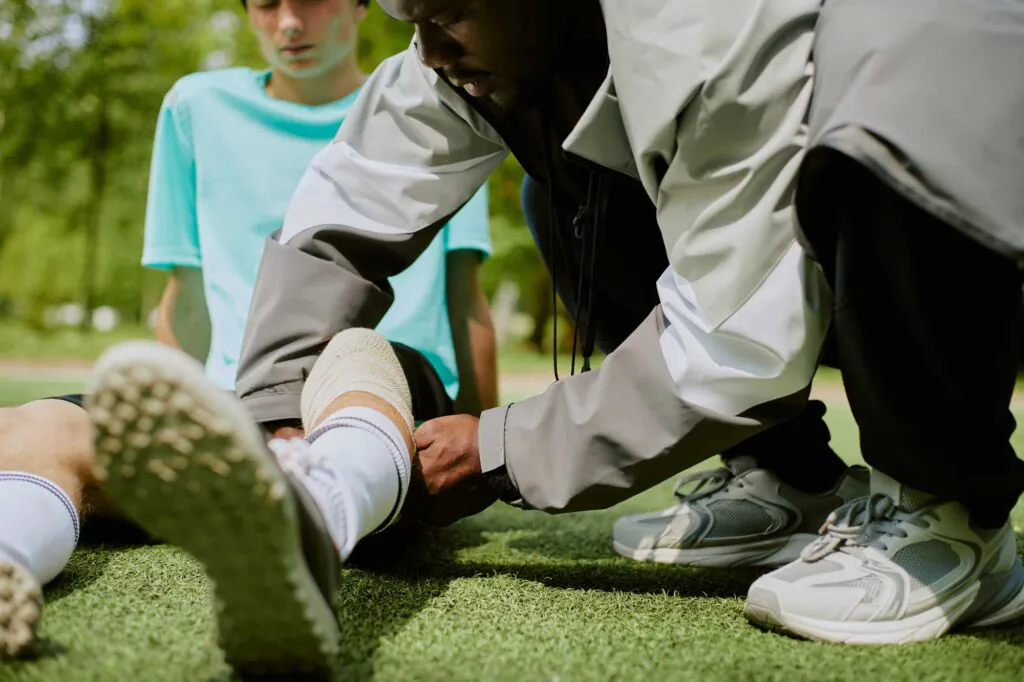

You’re in the stands. The game is close. Then your child goes down. In that moment, nothing else matters. You’re not thinking about the score. You’re thinking:
Is it serious?
Should they go back in?
Are we making the right decision?
More schools and youth leagues are answering those questions by placing physical therapists on the sidelines, and it’s changing the way young athletes stay healthy.
It’s Not Just About Emergencies
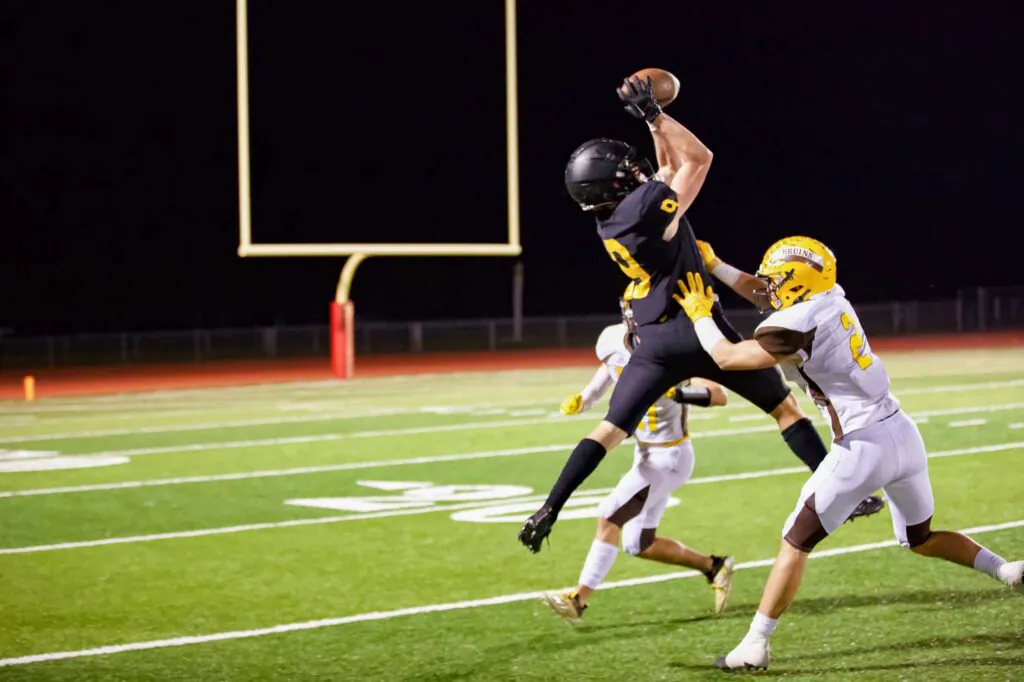
Football accounts for roughly one-third of all high school sports injuries in a given year. While many injuries are minor, others can become serious without immediate, expert care.
That’s where physical therapists make a difference.
Working alongside athletic trainers and physicians, PTs provide immediate evaluation, ongoing care, and injury prevention support. It’s a coordinated approach that reduces guesswork and protects long-term health.
As one sideline physical therapist shared, “The program is only going to attract top talent if athletes know they will be kept healthy and safely managed.”
Parents want their children to compete. But more than that, they want them protected.
What a PT Actually Does on Game Day
Before games even start a physical therapist may already be working.
They’re observing warm-ups. Watching for movement asymmetries. Checking in on athletes managing lingering soreness. Addressing small issues before they become big ones.
During the game, they’re:
- Assessing ankle sprains
- Evaluating shoulder or knee pain
- Assisting with acute injuries
- Helping determine if an athlete can safely return
As one PT put it, the best games are when “everyone stays healthy” and they can simply enjoy the game.
But when injuries do happen, early evaluation matters.
Why Early Evaluation Makes a Difference
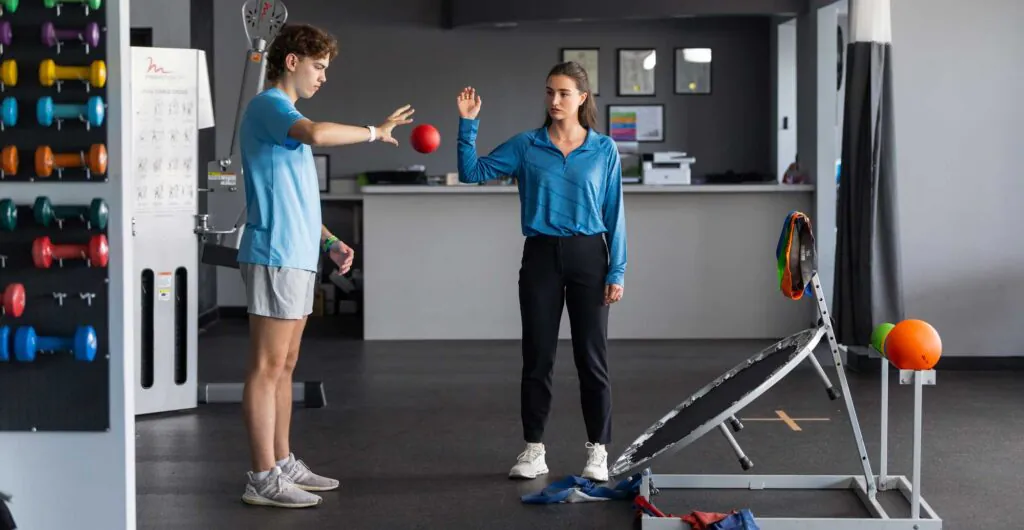
Many injuries don’t look serious at first.
A mild sprain.
A sore knee.
A shoulder that “just feels tight.”
But without proper assessment, small problems can lead to:
- Compensation patterns
- Chronic instability
- Repeat injuries
- Longer recovery timelines
Pain is feedback. Ignoring it doesn’t make it disappear. And this isn’t just true for youth sports. The same patterns show up in adult recreational leagues.
Early action almost always leads to better outcomes.
Teaching Responsibility, Not Just Recovery
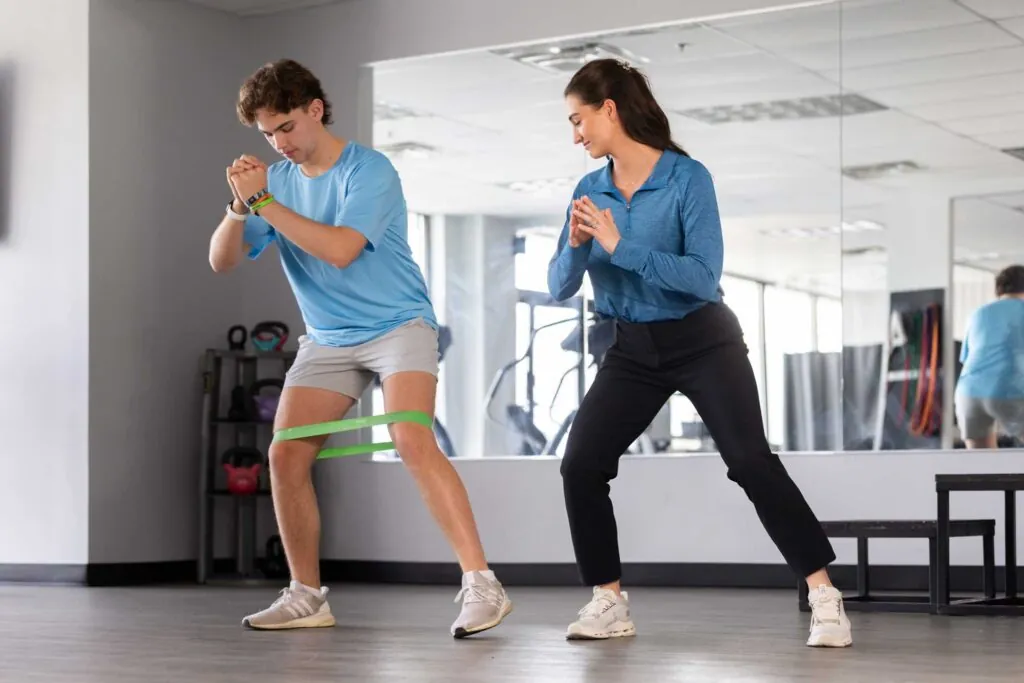
One of the most valuable parts of having a physical therapist involved isn’t just treatment. It’s education. Athletes learn:
- What pain is normal — and what isn’t
- What injuries they can and can’t play through
- Why strength and mobility matter
- How recovery supports long-term performance
Perseverance is part of sports. But smart decision-making is, too. Real progress requires work and that’s true in rehabilitation and prevention. Supporting athletes through both builds resilience that lasts beyond one season.
The Bigger Picture: Community and Trust
When physical therapists partner with schools and leagues, the impact extends beyond the field.
It builds trust between families, coaches, and healthcare providers. It shows athletes that their health comes first. It strengthens the entire athletic community.
One PT reflected on the perspective gained from the sidelines:
“I’m only with them a fraction of the time that everyone else involved with the program is, so I can really appreciate the hundreds of hours that the team and coaching staff put into the program.”
That perspective reinforces a simple truth: protecting athletes isn’t just about responding to injury. It’s about respecting the effort they put in every single day.
What Parents Should Watch For
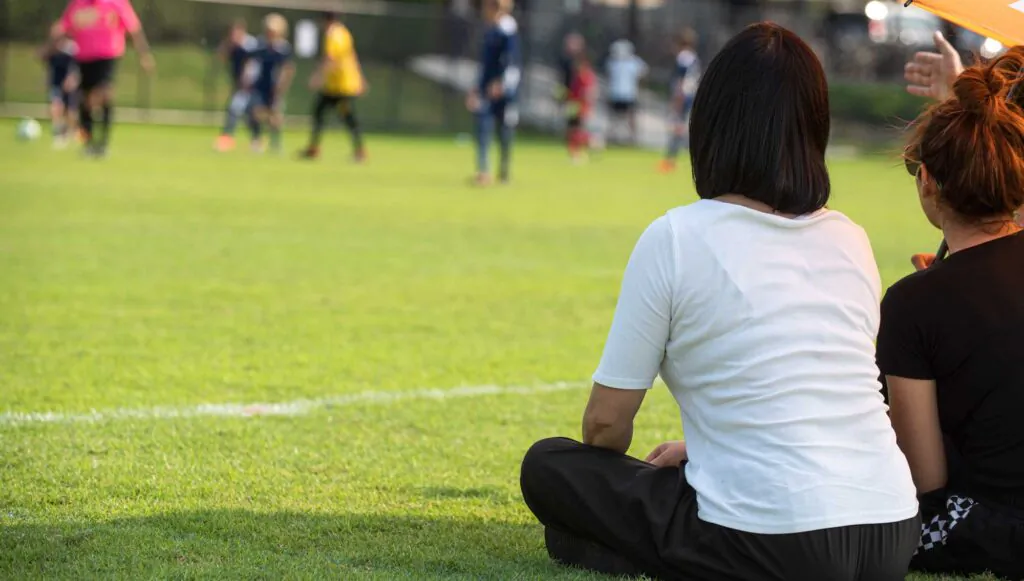
Even if your team doesn’t have a PT on the sidelines, you can still take proactive steps.
Consider seeking evaluation if your athlete has:
- Pain lasting more than 48 hours
- Swelling that doesn’t improve
- Limping or visible movement changes
- Recurrent “minor” injuries
- A noticeable drop in performance
Early evaluation often means shorter downtime and fewer long-term complications.
If your athlete is preparing for a season — or managing recurring sports pain — consider scheduling a preseason movement screen or consulting a physical therapist.
Because staying in the game isn’t about pushing through pain.
It’s about making smart decisions when it matters most.