


Last week, Lindsey Vonn shared this news on Instagram: “Well… I completely tore my ACL last Friday.” She also noted a bone bruise and meniscal damage, and her intention to still compete after consulting with her medical team.
For context, Vonn is one of the most decorated alpine athletes ever, with Olympic medals, multiple World Cup titles. She’s also no stranger to injury—multiple knee surgeries, fractures, and long rehab stretches are part of her history.
This past Friday, she completed a downhill training run without issue, finishing 11th out of 43 skiers, suggesting she was able to function at a high level despite the torn ACL.
Then on Sunday, just 13 seconds into her race, Vonn clipped a gate, lost control, and suffered a catastrophic crash that resulted in a fracture of her left tibia. The incident immediately opened the debate: did competing on a torn ACL contribute to the crash, or was this an unavoidable risk of downhill skiing?
What is an ACL tear?
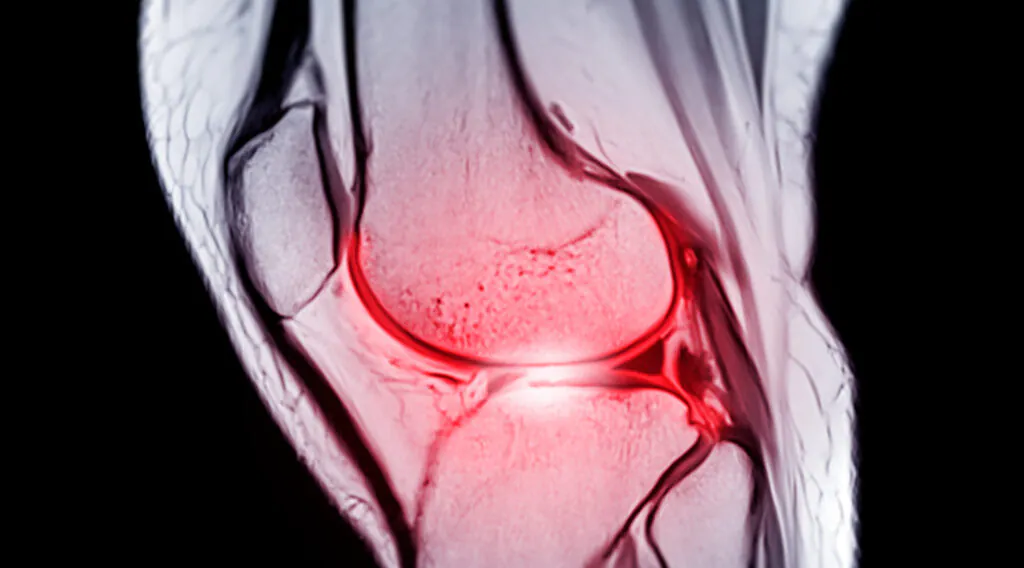
The ACL (anterior cruciate ligament) is one of the knee’s main stabilizers. It helps control forward movement of the shin and rotational stability—especially during cutting, landing, and deceleration. When the ACL tears, the knee can still move, but it loses a key passive restraint. Strength, coordination, and timing have to do more of the work.
Limitations after an ACL tear
An ACL tear doesn’t automatically mean the knee “gives out” constantly, but it does increase the risk. Swelling, pain, and reflex inhibition can affect muscle output and rotational control becomes more demanding. Fatigue matters more, and in high-speed sports, those limitations show up quickly.
Can you return to sport without an ACL?
Sometimes. After ACL tears, athletes are often described as “copers” or “non-copers.” With structured rehab and strengthening, some individuals can function at a high level without reconstruction.
There are real examples. Philip Rivers famously played through an acute ACL tear during the NFL playoffs. UFC fighter Ronda Rousey has also competed with significant knee ligament injuries. In cases like these, surgery would end the season immediately, so some athletes choose to compete first and address reconstruction later—a path Vonn may ultimately follow.
There is also limited research suggesting that certain ACL tears can heal without surgery. However, this research is limited and not focused on elite athletes like downhill skiers.
Did Vonn’s ACL tear cause her crash: a physical therapist’s perspective
Physical and Psychological Readiness Going Into the Race
Going into this weekend, two things stood out to me for Vonn’s situation: physical readiness and psychological readiness. Athletes who compete without an ACL usually spend months rehabbing to prepare. Vonn tore her ACL almost a week before she competed.

My first concern was swelling. With the recent tear, even a small amount of knee swelling could inhibit the quadriceps, which are the primary active stabilizer of the knee and critical for absorbing forces in skiing. However, from her recent Instagram posts and interviews, it sounds like she had the swelling under control.
My second concern was her mental preparedness. In physical therapy, we test more than strength and range of motion—we also assess confidence and fear. Psychological readiness questionnaires are commonly used before we clear patients back to competition. They ask questions like:
“Are you nervous about playing your sport?”
“Are you confident that your knee will not give way?”
Athletes who score poorly are at higher risk for poor performance and further injury, even if they look strong in the gym. Vonn appeared confident and ready to compete, but actual feelings of trepidation remain unknown.
Breaking Down the Crash Itself
Most people are going to hear “torn ACL” and immediately assume Vonn’s knee gave out and caused the crash leading to the broken leg. On the contrary, I think her crash and fractured tibia were a simple case of physics, not knee instability.
From video review, Vonn appeared to be skiing well leading into the incident. She approached a jump, but her pole clipped a gate, which rotated her body mid-air. She landed with her legs straight, skis angled at roughly 45 degrees, at an estimated speed near 60 miles per hour.
ACL tear or not, that is a massive impact. The tibia is a strong bone in the body, and in my opinion, not many athletes—regardless of previous injury—are walking away from that scenario uninjured. I think the landing was largely unavoidable; once rotated mid-air, there’s only so much you have control over. It’s true that a torn ACL can lead to poor proprioception and landing mechanics, but there’s a difference between coming down from a layup in basketball and being catapulted down a slope.
The only argument I could see where Vonn’s ACL tear contributed to the crash would be that she wasn’t confidently skiing as well as she’s used to, resulting in too tight of a turn that caused her to clip the gate and put the rest in motion. Overall, the crash looks driven by speed, rotation, and impact forces—not a sudden failure of her knee.
Final thoughts
If Vonn had not clipped the gate and was able to keep swelling controlled and stay confident under pressure, it’s reasonable to think she could have performed close to her previous level. The crash itself appears to be set in motion by a technical error and mid-air rotation, with the resulting injury driven more by speed and impact forces than by the knee simply giving way.
Whether your goal is prevention, performance, or recovery, a physical therapist helps build durable strength, restore confidence, and manage risk. If you’re dealing with a knee injury or want to reduce your chances of one, use the map below to find a physical therapist near you and start the conversation early.