


Knee pain is one of the most common musculoskeletal complaints in the United States, affecting millions of people each year. It’s the second leading cause of chronic pain, limiting everything from climbing stairs to getting in and out of a chair. Knee pain can interfere with work, exercise, and daily life. Fortunately, most cases can be effectively managed with physical therapy and simple lifestyle adjustments.
What Causes Knee Pain

Knee pain can develop from acute injury or repetitive overuse. The knee is a weight-bearing joint that relies on strong muscles and stable ligaments, so any overload can create irritation. Common causes include:
- Osteoarthritis (degenerative joint wear and tear)
- Meniscus tears
- Ligament sprains or tears (ACL, MCL, LCL, PCL)
- Patellofemoral pain syndrome (“runner’s knee”)
- Tendinitis or tendinopathy (patellar or quadriceps tendon)
- Iliotibial band irritation
- Muscle strain or weakness in the quads or hips
- Suboptimal movement mechanics
- Overuse from repetitive squatting, jumping, or running
- Direct trauma or falls
How Is Knee Pain Diagnosed?
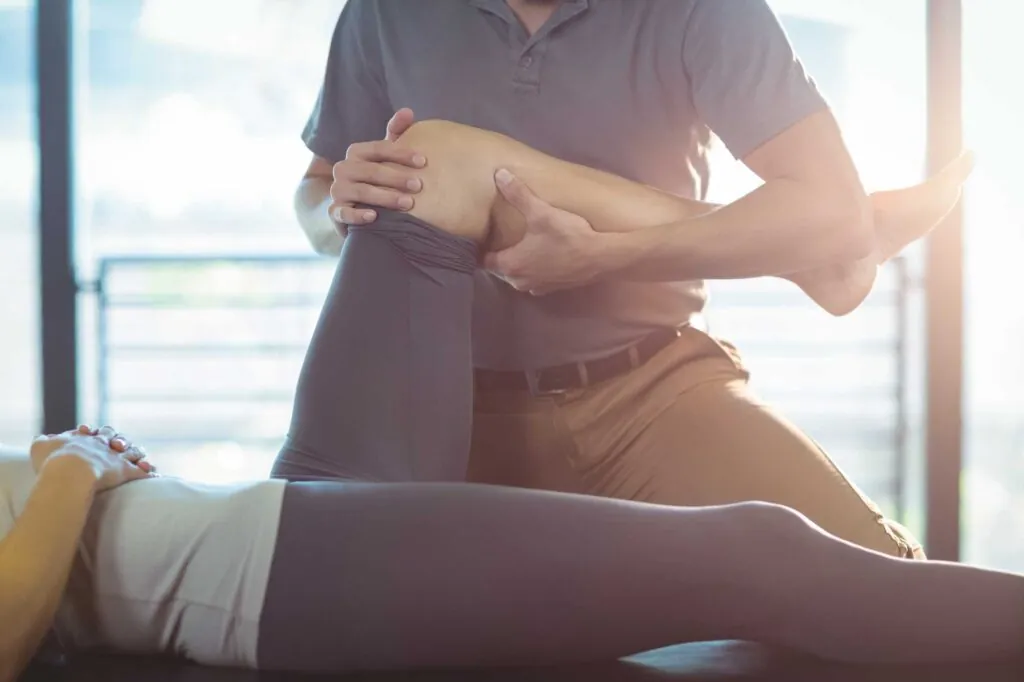
Your physical therapist will start with a thorough evaluation to determine what’s causing your pain and how it affects your movement. This includes:
- Subjective interview: discussion of your symptoms, activity level, and how long the pain has been present.
- Objective testing: measurements of strength, mobility, and special testing.
If your PT suspects a more serious injury or one that requires additional testing, they can refer you to an orthopedic physician for imaging such as X-rays or an MRI to confirm the diagnosis.
Is Surgery Needed?
Surgery is rarely the first step for knee pain. In most cases, conservative care through physical therapy, activity modification, and a guided exercise program leads to significant improvement. Your PT and physician can work together to decide if surgical intervention is appropriate. Common surgical reasons include severe osteoarthritis requiring a total knee replacement, major ligament tears (like ACL reconstruction), or significant meniscus damage that limits function. For the majority of patients, surgery is not necessary.
How Can a Physical Therapist Help?
Physical therapy focuses on restoring strength, motion, and confidence in your knee. A PT will create a personalized plan that may include:
- Strengthening of the quadriceps, hamstrings, hips, and glutes to better support the knee.
- Mobility and stretching exercises to improve flexibility and joint motion.
- Balance and coordination drills to retrain movement patterns.
- Manual therapy to reduce stiffness or improve pain.
- Education on load management – how to gradually return to your normal activity level without flare-ups.
Can Knee Pain Be Prevented?
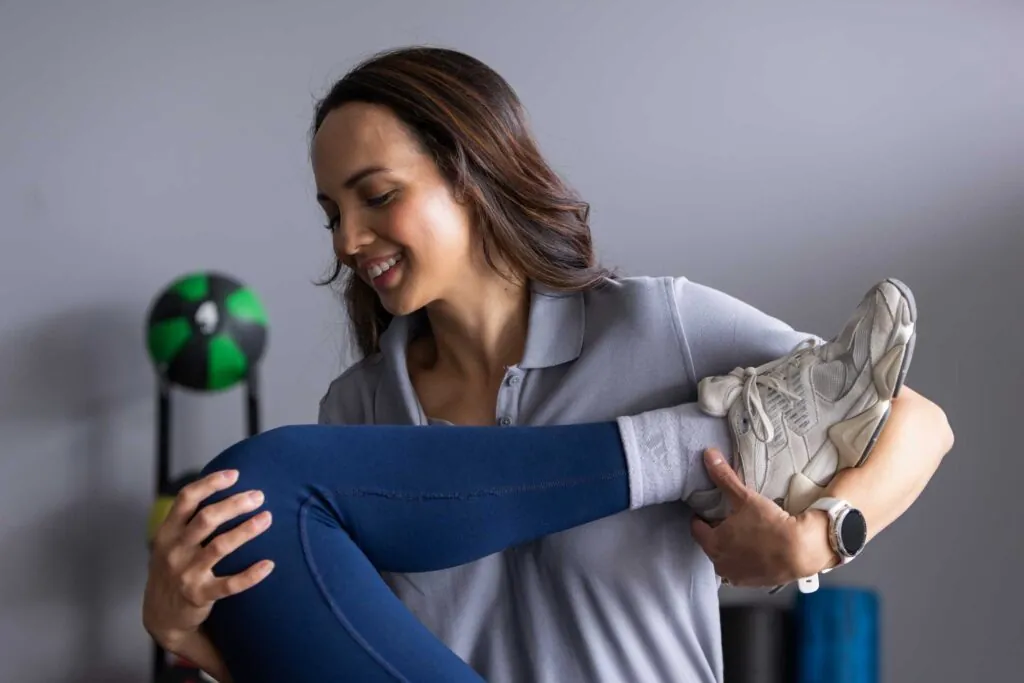
While not every cause can be avoided, stronger and more mobile joints are more resilient to stress. Building balanced strength in the legs, maintaining good flexibility, and practicing smart load and volume progressions can reduce risk. A physical therapist can ensure your exercise program is progressed at a safe rate, helping you increase volume and load without overuse injuries. Regular strength training, sleeping & eating well, and taking rest days when needed all support long-term knee health.
Final Thoughts
Knee pain is common but treatable. Most people improve with conservative care, proper loading, and guidance from a physical therapist. If you’re dealing with knee pain that hasn’t resolved on its own, schedule an evaluation with one of our physical therapists. Use the tool below to find a PT near you and start moving pain-free again.