
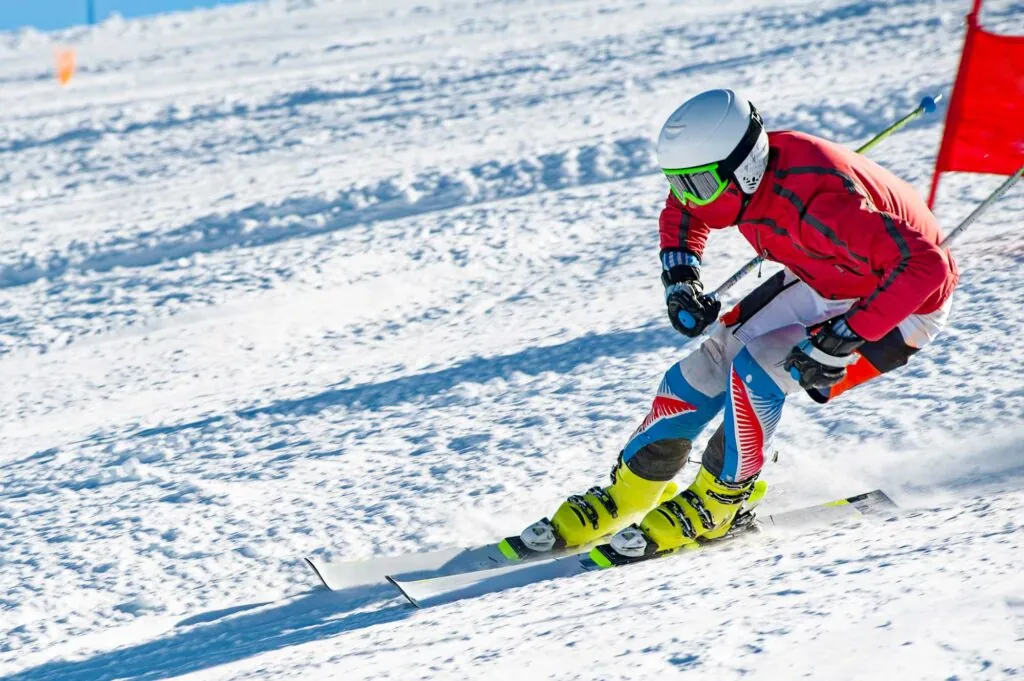

Winter sports place unique demands on the body. Cold temperatures, uneven terrain, high speeds, and rapid changes in direction all increase physical stress. Many winter activities also involve jumping, landing, and rotation—movements that load the joints and soft tissues in ways we don’t experience as much during warmer months.
While elite athletes train year-round for these demands, recreational skiers, snowboarders, hockey players, runners, and gym-goers often encounter similar stresses with far less preparation. Looking at injury trends from elite winter competition helps highlight where the body is most vulnerable and why smart recovery matters for everyday athletes.
Why Winter Sports Stress the Body Differently
Winter sports challenge the body in ways that are different from most indoor or warm-weather activities. The combination of surface conditions and movement demands increases injury risk, especially when fatigue sets in.
Key stressors include:
- High speeds with limited margin for error
- Uneven or unpredictable terrain
- Jumping and hard landings
- Rapid deceleration and rotation
Together, these factors place greater strain on the lower body and challenge balance, coordination, and strength.
What Injury Data From International Winter Games Tells Us

A large-scale study examining injuries during major international winter competitions found consistent patterns.
- Roughly 1 in 10 athletes sustains an injury during high-level winter competition
- Snow-based sports tend to have higher injury rates than ice-based sports
- Events involving speed, jumps, and rotation show the greatest risk of injury
Two insights are especially relevant for active adults. First, most injuries are non-contact, meaning they occur during movement rather than collisions. Second, most injuries do not immediately stop participation. Athletes often continue to train or compete despite pain or limited movement.
Common Injuries by Body Region
Certain areas of the body are consistently injured more often in winter sports, and these same regions frequently cause problems for recreational athletes.
Knee injuries are the most common. The knee absorbs large forces during twisting, deceleration, and landing. In winter sports, this can happen during turns or unexpected terrain changes. Knee pain often begins as mild discomfort but altered movement and reduced strength can gradually increase stress on the joint if left unaddressed.
Ankle injuries are also common, particularly sprains. Uneven surfaces and unstable landings challenge ankle stability, and even minor sprains can leave behind lingering balance deficits. Without proper rehabilitation, these deficits increase the risk of repeat injury.
Head injuries still occur despite advances in protective equipment. For active adults, the most important factor is often not the initial impact, but making smart return-to-activity decisions. Returning too soon can prolong symptoms and increase risk.
Beyond these areas, sprains, strains, and bruising make up a large portion of winter sports injuries. While often considered minor, these injuries can linger when strength, mobility, and movement patterns are not fully restored.
Why Many Winter Sports Injuries Are Non-Contact
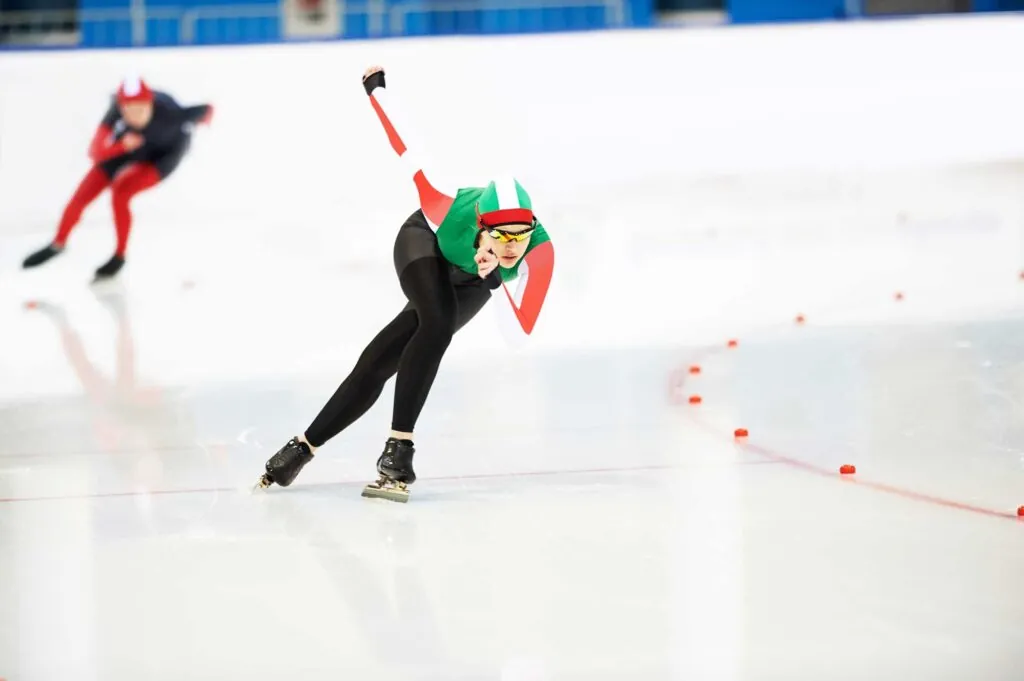
A significant number of winter sports injuries occur without contact. Rather than collisions, these injuries often happen during routine movements performed under high demand.
Common contributors include:
- Fatigue late in a session or season
- Reduced strength or balance
- Poor landing mechanics
- Sudden increases in activity volume
Non-contact injuries often reflect a mismatch between what the body is prepared to handle and what the activity demands. This is why many injuries feel sudden, even though the underlying issue has been building over time.
How Physical Therapy Helps Recovery and Injury Prevention
Physical therapy addresses more than pain alone. It focuses on restoring the body’s ability to handle load safely and efficiently.
Physical therapy can help by:
- Reducing pain and stiffness early on
- Restoring strength, mobility, and balance
- Improving movement mechanics specific to sport and lifestyle
- Gradually rebuilding tolerance to activity
- Guiding safe return to sport or exercise
- Reducing the risk of repeat injury
This often means recovering efficiently instead of sitting out for weeks or pushing through pain and hoping it resolves.
What Recreational Winter Athletes Can Learn From Elite Injury Trends
You don’t need to compete at the highest level to learn from how injuries happen in elite winter sports. While the speed and difficulty may differ, the stress placed on the body is often surprisingly similar.
Several practical lessons apply directly to recreational winter athletes:
Most injuries aren’t caused by crashes. Many injuries occur during routine movements like turning, landing, or decelerating. Pain that seems to come “out of nowhere” is often the result of accumulated fatigue, reduced strength, or limited control.
Lower-body joints take the biggest hit. Knees and ankles are under constant demand during skiing, snowboarding, skating, and even winter gym training. Addressing strength, balance, and mobility in these areas is critical for staying active.
Recovery is part of performance. Elite athletes don’t wait until they’re sidelined to address problems. Early attention to pain, stiffness, or instability helps prevent longer layoffs later.
For recreational athletes, the goal isn’t to avoid activity, it’s to support it with smart recovery strategies that enable continued training.
Final Thoughts
Winter sports place unique stress on the body through speed, uneven surfaces, and high-force movements. Injury trends from elite winter competition show that knees, ankles, and non-contact injuries are especially common.
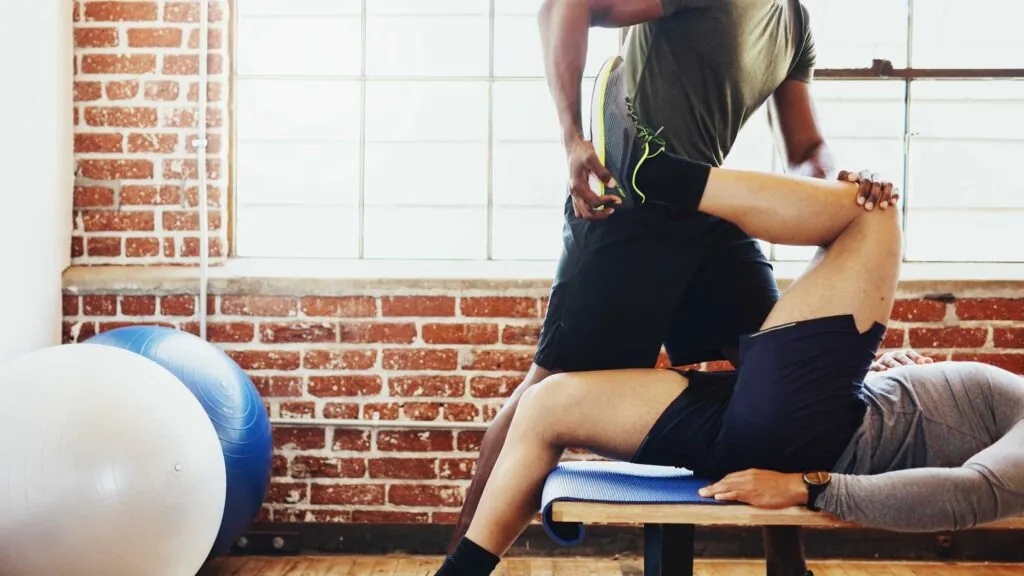
Recognizing these patterns early can make the difference between a short setback and a season-long frustration. Addressing pain, stiffness, or movement limitations sooner rather than later helps maintain confidence, consistency, and long-term activity.
Don’t wait for pain to sideline your routine. If you’re dealing with joint pain, stiffness, or a lingering injury from winter activities—or everyday workouts—a physical therapist can help you recover faster and move with confidence. Schedule a physical therapy evaluation today and keep doing what you love.