

When Joel Stenslie began practicing physical therapy 26 years ago, he accepted documentation as an unavoidable part of the job. Even if it meant long nights, late dinners and a constant pull between patient care and paperwork.
“I always spent one-on-one time with my patients, and then at night I did all of my documentation,” said Stenslie, Clinic Director at Human Performance and Rehabilitation Centers’ River Road location. “It created burnout for me and for my younger staff. I knew something needed to change.”
Designed to capture and structure notes in real time, ScribeIQ is one of the tools helping clinicians reclaim hours in their day, reduce cognitive strain and deliver more focused patient care. Confluent Health is also implementing Comprehend across clinics as part of a broader shift toward AI-supported documentation.
More than 1,300 Confluent Health providers began using AI documentation this fall, part of an implementation that will ultimately reach all 3,100 clinicians across physical therapy, occupational therapy and PTA roles.
And for Stenslie, the difference was immediate.
“Since adopting ScribeIQ, I’m almost always done with documentation before I leave the clinic,” he said. “It has allowed me to model a healthier culture for my staff. One where they can finish work at work.”
A Solution for One of Rehab’s Most Persistent Pain Points
Documentation has long been cited as a major driver of burnout across the outpatient rehab sector. Clinicians routinely finish notes after hours, and productivity pressures often force them to multitask during patient encounters.
Confluent Health leaders say the goal of this rollout is simple: give clinicians back time, energy and attention.

“Technology should serve clinicians, not the other way around,” said Stephen Clark, Chief Clinical Officer at Confluent Health. “AI documentation reduces administrative burden, restores clinical presence and helps prevent burnout. When clinicians thrive, patients benefit. This is how we move the profession forward.”
Faster Evaluations, Fuller Conversations
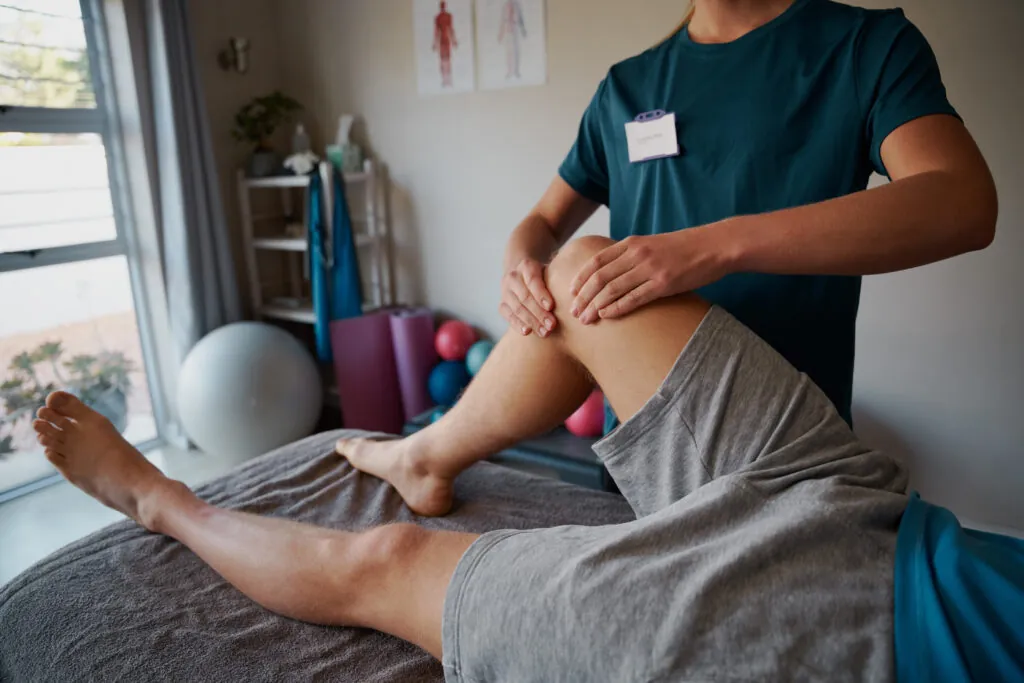
For Stenslie, the greatest impact has been on evaluations. Without needing to toggle between patients and a computer, he can devote uninterrupted attention to each person in front of him.
“Before using the documentation tool, the pauses to type would slow me down or break up the flow of my questioning,” he said. “Now the evaluation becomes a real conversation. It’s faster, more natural and more thorough.”
Evaluations that once felt daunting no longer carry the same weight.
“Our therapists aren’t afraid of the last evaluation of the day anymore,” Stenslie said. “The tool andles so much of the structure that follow-up documentation is cleaner and easier.”
The shift hasn’t just changed workflow—it has changed patient experience.
“When you’re not staring at a computer, you’re fully engaged. Patients feel that,” he said. “I can’t imagine how that could be a negative. It’s more personal.”
A Culture Shift: Reducing Burnout, Retaining Clinicians
For many Confluent Health leaders, the promise of AI documentation isn’t just speed; it’s sustainability.
Stenslie saw this firsthand in an unexpected place: his Oura Ring data.
One of the ring’s key metrics, “resiliency,” measures daytime stress and recovery over a 14-day period. After two months using ScribeIQ, Stenslie’s resiliency score climbed from “very low” to “exceptional.”
His cardiovascular age, a measure of heart health, shifted from 1.5 years younger than his real age to six years younger.
“You can’t ignore that,” he said. “The cognitive strain is down during the day. I have more time to relax at night. It’s changing not just work, but my overall well-being.”
Clark said stories like this reflect a broader vision.
“This isn’t just a technology rollout; it’s a workforce strategy,” he said. “Reducing documentation strain helps us keep experienced clinicians in the profession longer while supporting new grads who are entering a demanding field. This is how we strengthen our pipeline.”
A Future Built on Time Given Back
For all the technical benefits, the most powerful impact of AI documentation may be the most personal.
“I go home and actually relax,” Stenslie said. “I’m more present with my family. And I’m more present with my patients. That’s the difference.”
As Confluent Health continues to integrate technology into its care model, one theme is clear: clinicians and patients are stronger when they have more time together, and more time to simply be human.