
After surgery, the road to recovery can feel long, but you don’t have to walk it alone. We work with you to rebuild strength, improve mobility, and return to your normal routine as quickly as possible. Each rehabilitation plan is tailored to your specific surgery and goals, ensuring that your recovery is smooth and effective. Together, we’ll focus on restoring your body’s full function and helping you get back to the things you enjoy.
Falls are a leading cause of injury, loss of independence, and decreased quality of life-especially for adults over the age of 65. While falls may seem like an inevitable part of aging, many are preventable with the right guidance, movement strategies, and support. Understanding how to reduce fall risk is an important step toward staying active, confident, and independent.
Physical therapy (PT) plays a vital role in fall prevention by improving strength, balance, mobility, and coordination while addressing pain, weakness, or movement limitations that increase fall risk. Through individualized assessments, targeted exercises, and education, physical therapists (PTs) help individuals build safer movement patterns and reduce the likelihood of future falls. This article serves as a comprehensive guide to the role of PT in fall prevention, outlining effective techniques, exercises, and the benefits of seeking professional care.

Fall prevention refers to strategies and interventions designed to reduce the risk of falling, particularly among older adults who are most vulnerable to serious injury, loss of independence, and long-term health consequences due to falls. It includes screening for risk factors, improving strength and balance, and modifying environments to support safer movement.
Falls are a significant public health concern-in the United States, more than one in four adults aged 65 and older falls each year, and many of these falls lead to injuries that require medical care, restrict activity, or contribute to increased mortality over time.1 The prevalence of falls increases with age, and older adults who fall once are more likely to fall again, underscoring the importance of proactive prevention efforts.2
PT has a meaningful impact on daily life for individuals at risk for falls by addressing underlying contributors such as muscle weakness, poor balance, gait instability, and environmental challenges. Evidence supports that targeted exercise and multifactorial interventions often guided by PTs-are effective in reducing fall risk and enhancing functional independence, enabling older adults to stay active, confident, and safer in their homes and communities.3
Falls often result from a combination of age-related changes, physical impairments, and environmental hazards, especially in individuals over 65. As people age, decreases in strength, balance, and coordination significantly raise fall risk; reduced muscle strength and impaired gait are strongly linked to falls in older adults.4 Age-related changes in the vestibular system, which helps control balance, can contribute to dizziness and instability, making everyday movement more challenging.5 Neurological issues such as drop foot- where the foot doesn’t lift properly during walking- can disrupt gait patterns and increase the likelihood of tripping or dragging a foot.
Environmental factors in the home also play a sizable role: loose rugs, cluttered walkways, and other tripping hazards are common contributors to falls, accounting for a large portion of accidental falls among older adults.6 Limitations in ROM-for example, stiffness at the hips, knees or ankles can reduce the ability to adjust steps or recover balance when stability is briefly lost, further increasing fall risk. Together, these intrinsic and extrinsic factors explain why falls are among the most frequent and serious in older populations.
If you’ve experienced a fall, feel unsteady when walking or standing, or have noticed changes in your balance or strength, it may be time to see a PT. PTs are highly trained movement experts who can evaluate your fall risk, create personalized treatment plans, and help reduce your likelihood of future falls- and you do not need to see a doctor first to access PT services.
You should consider seeing a PT if you’ve had one or more falls in the past year, feel unsteady during daily activities, or have difficulty with walking or balance. A PT can screen and evaluate your fall risk and guide safe interventions; if they identify medical issues that require a doctor’s input (such as cardiac concerns, neurological symptoms, or medication side effects), they will recommend appropriate medical follow ups.
PTs use a combination of clinical tests and functional assessments to evaluate strength, gait, balance, and mobility – all of which influence fall risk. A comprehensive evaluation may include measures of lower-extremity strength, balance tests, and gait speed to identify areas of impairment that contribute to fall risk. This objective data helps PTs tailor interventions to your specific needs.
Common evidence-based tests include the Timed Up and Go (TUG) test which measures mobility and balance as you stand, walk, and sit, with slower times indicating higher fall risk, the 30 Second Chair Stand Test, which reflects lower-body strength and balance, and the 4-Stage Balance Tests, which assesses stability in progressively challenging positions. Larger evaluations may also utilize tools like the Berg Balance Scale to more deeply evaluate control during multiple functional balance tasks.
One of the greatest strengths of PT is the personalized treatment plan. Based on your assessment results, PTs design targeted exercises and strategies to improve strength, stability, gait, and confidence- addressing your unique impairments rather than using a one-size-fits-all approach. This may include balance training that is challenging enough to promote improvement without being so difficult that you cannot maintain a safe position, progressive strength work, and functional movement practice relevant to your daily activities,
Taking proactive steps-such as seeking PT for balance concerns- can help reduce your fall risk, enhance independence, and improve overall quality of life.

PT plays a central role in reducing fall risk by targeting the movement deficits that contribute to instability, such as weak muscles, poor balance, and impaired movement coordination. Evidence from research shows that structured exercise programs, including both static and dynamic balance training, significantly improve balance performance and reduce the number of falls among order adults. These programs help older individuals gain confidence and capability in daily activities, from standing still to moving safely across changing environments.
Evidence-based approaches used in PT center on balance and postural control training that progressively challenges the body’s ability to maintain stability. Long-standing research and clinical guidelines strongly recommend that fall prevention programs include progressive balance training performed regularly (multiple times per week) to improve both static (holding a position) and dynamic (maintaining balance during movement) balance. Static balance exercises might involve standing with varied foot positions or holding steady postures, while dynamic balance includes exercises that mimic real-world movement demands such as stepping, turning, or shifting weight. Integrating these exercises into a plan of care not only improves balance scores and mobility but also results in measurable reductions in fall rates and fear of falling.7
PTs also incorporate strength and gait training, mobility work, and functional practice into fall prevention plans to ensure improvements translate into everyday tasks like rising from a chair, navigating uneven surfaces, or maintaining balance while carrying objects, PT goals focus on improving lower-body strength, enhancing postural control, increasing confidence in movement, and promoting independence in daily activities. By continually assessing progress and adjusting exercises to be appropriately challenging- hard enough to stimulate adaptation but safe enough to maintain form- PTs help individuals build a solid foundation for long-term stability and well-being.
Fall prevention PT is most effective when it’s personalized to address an individual’s specific risk factors and functional needs. This tailored approach supports safer movement in real life, reduces the incidence of future falls, and enhances quality of life as individuals age.
PT for fall prevention has a strong track record of producing positive outcomes for older adults at risk of falling. Research shows that structured, therapist-guided exercising programs, especially those that include balance and strength training, can significantly reduce fall risk and improve quality of life by enhancing mobility, stability, and confidence in daily activities.8 By targeting the root causes of balance problems and weakness, PT helps individuals move more safely and independently, which is linked to fewer injuries and greater engagement in everyday life.9
Beyond clinical improvements, fall prevention PT can also lead to measurable economic value, with analyses showing that PT-led fall prevention programs offer a clear benefit in terms of reduced healthcare costs and greater overall well-being compared with no intervention.8 These benefits reflect not only fewer falls but also improved muscle strength, gait function, and functional balance- all key for sustaining independence.
Many older adults who participate in PT for fall prevention report meaningful improvements in confidence and daily function. For example, individuals often describe feeling steadier on their feet after completing personalized balance and strength programs, enabling them to walk more confidently without fear of falling.10 Others highlight how targeted PT interventions, such as home-based balance training or community-integrated sessions, helped them maintain activity levels they once thought were lost, contributing to a greater sense of independence and safety in their daily routines.8These experiences reflect the real-world impact of PT beyond what happens in the clinic – helping people live safer, more active lives with fewer limitations.
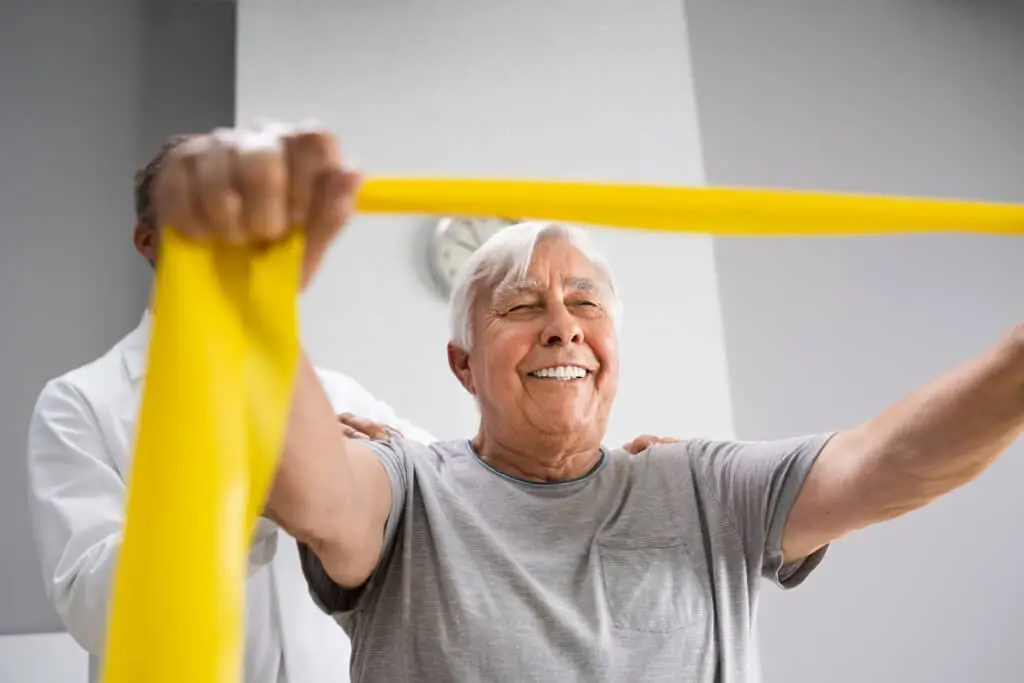
Selecting the right PT is an important step in reducing fall risk and improving confidence with movement. Look for a licensed PT who has experience working with order adults and balance-related conditions. Therapists with additional training or clinical focus in geriatrics, neurology, vestibular rehabilitation, or fall prevention are specifically well-qualified to assess balance, strength, gait, and mobility concerns. A good PT will perform a comprehensive evaluation, use evidence-based balance and strength tests, and create a treatment plan tailored to your specific needs, health history and daily activities.
Equally important is the patient-therapist partnership. Fall prevention is most effective when therapy is collaborative, with open communication and shared goals. A strong partnership allows your PT to understand your concerns, lifestyle, and confidence level while adjusting exercises to be appropriately challenging yet safe. When patients feel hard, supported, and actively involved in their care, they are more likely to stay engaged, progress consistently, and achieve lasting improvemen ts imbalance, independence, and overall quality of life.
The primary goals are to restore function, decrease pain, and promote healing while preventing complications.
Your PT may perform strength testing, gait speed analysis, and specific balance tests to assess your fall risk.
Yes, things such as poor lighting, rugs, and lack of handrails can increase the risk of falls. Your PT will discuss your home environment and ways to reduce possible areas of concern.
Many people notice improvements in balance and confidence within a few weeks, especially with consistent participation. Long-term fall risk reduction typically occurs with ongoing, progressive exercises tailored to individual needs.
Fall prevention PT includes a combination of balance, training, lower-body strengthening, gait practices, and functional movement exercises. Exercises are carefully progressed to be challenging enough to improve stability while remaining safe and appropriate for each individual.