
Balance and gait function play a critical role in mobility, independence and overall quality of life. This webpage provides a comprehensive guide to the role of physical therapy (PT) in improving balance and gait function, particularly for individuals affected by injury, surgery, vestibular disorders, deconditioning, aging, or neurological and musculoskeletal conditions. PT interventions focus on restoring strength, coordination, flexibility, and postural control while reducing fall risk and improving movement efficiency.
This content is designed to educate readers on how balance and gait function PT supports recovery, enhances safety during daily activities, and promotes confidence in movement. By outlining common therapeutic techniques and evidence-based approaches, this guide aims to empower individuals to seek professional care for support, symptom relief, and long-term functional improvement. It also serves as a resource for patients and referring healthcare professionals seeking a deeper understanding of the benefits of PT for balance and gait dysfunction.
Balance and gait function refer to the body’s ability to maintain stability while standing and to move efficiently and safely during walking. These abilities rely on the coordinated interaction of the vestibular system, visual input, sensory feedback, and musculoskeletal strength to control posture, weight shifting, and movement patterns.1 When one or more of these systems is impaired, individuals may experience unsteadiness, altered walking mechanics, or an increased risk of falls.1
Balance and gait impairments are highly prevalent, particularly among older adults and individuals with neurological, vestibular, or musculoskeletal conditions. Approximately one in three adults aged 65 and older experiences at least one fall each year, with balance and gait dysfunction being major contributing factors.2 Gait abnormalities and balance deficits are also common following surgery, injury, prolonged activity, or illness and are strongly associated with reduced independence, higher injury risk, and diminished quality of life.3
Balance and gait functional PT plays a critical role in addressing these impairments by evaluating movement patterns, postural control, walking mechanics, and fall risk. Through individualized, evidence-based interventions, physical therapists (PTs) help improve strength, coordination, balance, and movement efficiency, enabling patients to safely perform daily activities and regain confidence in mobility, Research shows that targeted exercise and balance training delivered by PTs can significantly improve functional mobility and reduce fall risk across multiple populations.4
Balance and gait dysfunction can result from a wide range of conditions affecting neurological, musculoskeletal, vestibular, and sensory systems, often requiring skilled PT intervention to restore safe and efficient movement.1 Common causes include age-related changes, deconditioning, and reduced neuromuscular control, all of which can impair postural stability and walking mechanics and increase fall risk.2
Musculoskeletal impairments are a frequent contributor to gait dysfunction. Loss of hip and knee range of motion (ROM) significantly alters step length, cadence, and weight acceptance, leading to compensatory movement patterns that reduce efficiency and stability.5 Conditions such as osteoarthritis, joint stiffness following surgery, muscle weakness, or prolonged immobility commonly restrict lower-extremity ROM and negative impact gait quality.5
Neurological and vestibular conditions are major drivers of balance and gait impairment. Stroke, Parkinson’s disease, peripheral neuropathy, vestibular disorders, and concussion can disrupt coordination, sensory integration, and postural control, resulting in unsteady gait and impaired balance reactions.1,3 Additionally, post-operative recovery, injury, or prolonged bed rest often leads to deconditioning and impaired motor control, further necessitating balance and gait-focused rehabilitation.2
Balance and gait function PT addresses these underlying causes by restoring mobility, improving joint ROM, strengthening key muscle groups, and retraining coordinated movement patterns to support safer, more efficient walking and functional mobility.
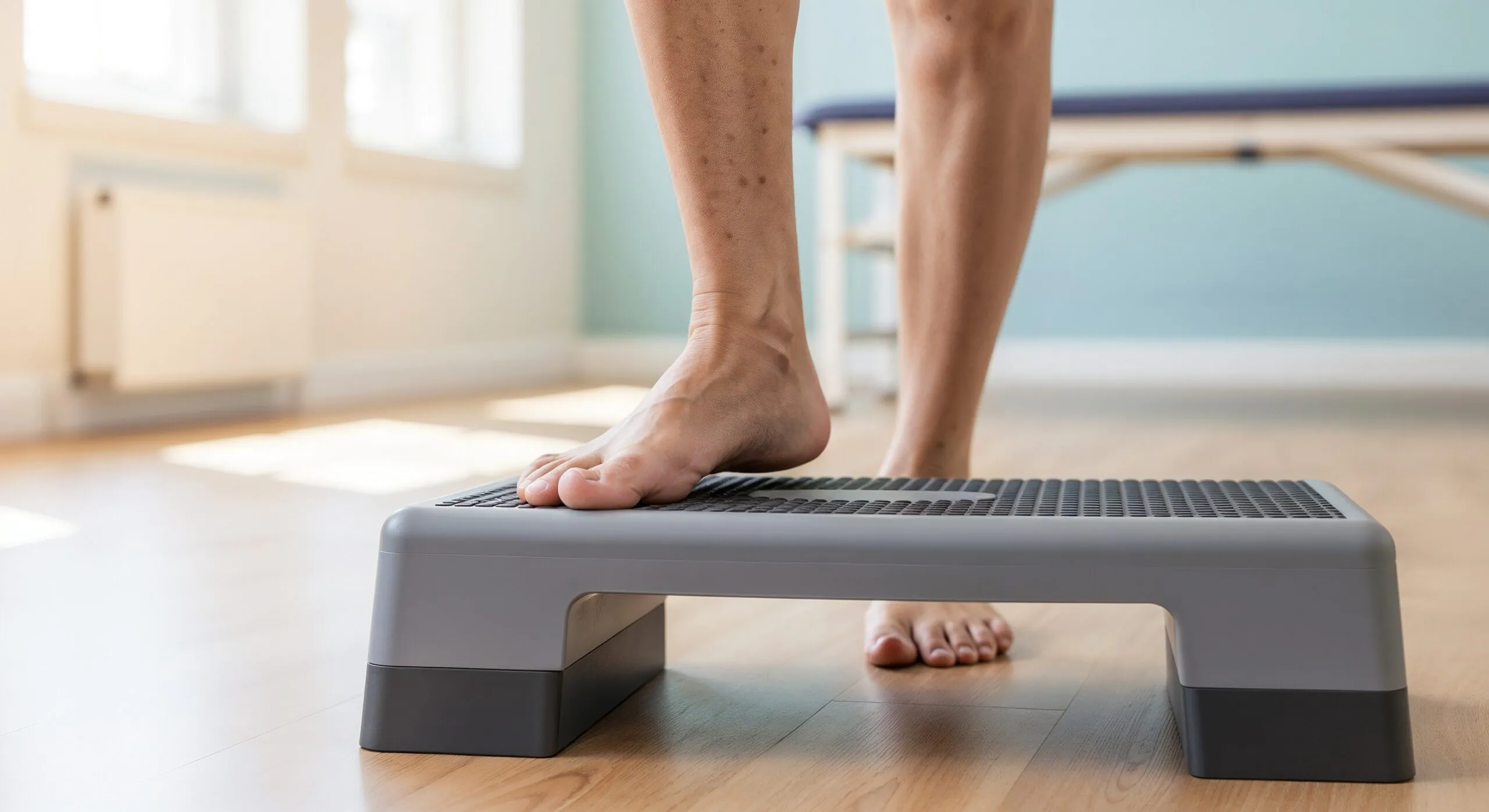
Balance and gait dysfunction often present with noticeable changes in how an individual moves and performs daily activities. Common symptoms include unseated slow, or shuffling gait patterns, difficulty initiating or maintaining walking, and decreased step length or cadence, all of which are associated with impaired balance and increased fall risk.1 Many individuals also experience frequent falls or a persistent fear of falling, which can lead to activity avoidance, further deconditioning, and worsening balance deficits.2
Loss of coordination and reduced gait speed are particularly important clinical indicators. Slower gait speed has been consistently linked to higher fall risk, functional decline, and reduced independence, especially in older adults and individuals with neurological or musculoskeletal conditions.6 Gait speed is widely recognized as a vital sign of mobility, with slower speeds correlating to poorer health outcomes and increased fall risk.7
Functional performance measures commonly used by PTs help identify balance and gait impairments. Poor performance on tests such as the Five Times Sit-to-Stand and the Timed Up and Go (TUG) is associated with lower extremity weakness, impaired mobility, and increased fall risk.2 These objective findings, combined with patient-reported symptoms, guide targeted balance, and gait rehabilitation to improve safety, efficiency of movement, and confidence during daily activities.

Individuals may benefit from balance and gait PT if they experience unsteadiness, frequent falls or near-falls, slowed walking speed, difficulty with transfers, or fear of falling. PTs are trained movement specialists and can be seen directly, without a physician referral to assess balance and gait concerns and determine whether further medical evaluation is needed. In some cases, a PT may recommend a follow-up with a physician if symptoms suggest an underlying neurological, vestibular, or medical condition requiring additional evaluation.
PTs use standardized, evidence-based diagnostic tests to objectively assess balance, gait, and fall risk. Common assessments include the Tinetti Performance-Oriented Mobility Assessment, Berg Balance Scale, Mini-BESTest, Timed Up and Go (TUG), gait speed testing, Dynamic Gait Index (DGI), and the Clinical Test of Sensory Interaction on Balance (CTSIB). Performance on these measures has been shown to correlate strongly with fall risk, functional mobility, and safety during daily activities.3
Beyond formal testing, PTs conduct a comprehensive evaluation that includes movement observation, strength and ROM assessment, postural control analysis, and review of functional tasks such as walking, stair negotiation, and transfers. By combining objective test results with patient goals and activity demands, PTs determine whether balance and gait-focused intervention is appropriate and design a personalized treatment plan to improve stability, mobility, and confidence in movement.
Balance and gait function PT produces meaningful improvements in mobility, safety, and overall quality of life for individuals with balance impairments. Evidence shows that targeted balance and gait training can significantly reduce fall risk, improve walking stability, and enhance functional independence across older adults and individuals with neurological, vestibular or musculoskeletal conditions.2
PT interventions have been shown to improve gait speed, balance confidence, and lower-extremity strength, all of which are strongly associated with reduced fall incidence and improved functional outcomes.6 Improvements in objective measures such as the TUG, Berg Balance Scale, and gait speed reflect meaningful gains in real-world mobility and daily activity performance.8
Beyond physical improvements, balance and gait PT helps address the fear of falling, which is a major contributor to activity restriction and deconditioning By restoring confidence in movement and teaching safe mobility strategies, PTs support long-term participation in daily activities, reduce injury risk, and promote sustained independence and well-being.2
Selecting the right PT is essential for effectively addressing balance and gait impairments. Patients should look for a licensed PT with experience in balance assessment, gait analysis, fall prevention, and neurologic or orthopedic rehabilitation. PTs with advanced training or clinical focus in areas such as geriatrics, vestibular rehabilitation, or neurologic PT are particularly well equipped to manage complex balance and mobility concerns.
Equally important is the patient-therapist partnership. Successful balance and gait rehabilitation relies on open communication, individualized goal setting, and ongoing collaboration throughout the course of care. A qualified PT will take time to understand a patient’s specific challenges, functional goals, and daily activity demands, while providing education and feedback to support safe, confident movement. This collaborative approach enhances adherence to treatment, improves outcomes, and empowers patients to take an active role in maintaining long-term mobility and independence.
Maintaining balance and walking confidently is essential for independence, safety, and quality of life. Even if you haven’t experienced a fall, subtle changes in your balance, gait, or coordination can indicate underlying weakness or mobility issues that may increase your risk over time. Addressing these concerns early through PT is the most effective way to improve strength, coordination, and overall mobility while reducing the likelihood of falls and injury.
PTs are trained movement experts who can assess your individual needs, identify areas for improvement, and develop a personalized treatment plan tailored to your foals. Through targeted exercises, functional training, and education on safe movement strategies, PT can restore confidence, enhance daily function, and help you maintain independence. Whether your balance challenges are due to aging, injury, surgery, vestibular difference in long-term outcomes.
At Confluent Health, we are committed to helping patients regain strength, improve mobility, and feel confident in their movements. Our team of licensed PTs provides comprehensive evaluations, evidence-based treatment plans, and one-on-one support to ensure your therapy is both safe and effective. From balance and gait retraining to strength and functional mobility exercises, we guide every step of your rehabilitation journey.
Taking the first step is easy. Book a consultation with Confluent Health today to receive a thorough assessment and a plan designed specifically for you. Our PTs will work closely with you to address your concerns, set achievable goals, and provide the guidance and support needed to improve your balance, reduce fall risk, and enhance your quality of life. Don’t wait until a fall or injury occurrs–take control of your balance and mobility now and invest in your long-term independence and well-being.
Yes–absolutely. You do not need to have fallen to benefit from PT. If your balance feels less steady than it used to, a PT can assess underlying strength, mobility, and coordination issues and help address them early, reducing your risk of future falls and improving confidence with daily activities.
Many people notice improvements in strength, stability, and confidence within a few sessions, though timelines vary based on the cause and severity of impairments. Consistent participation and adherence to a home program play a major role in long-term success.
Yes, PTs design programs that are personalized and safe for each individual, taking into account age, medical history, and any physical limitations, Exercise are progressed gradually to challenge balance and strength without increasing risk of falls or injury.