
Starting physical therapy for chronic pain can bring a mix of emotions.
You may feel hopeful. You may feel unsure. You may wonder whether movement will help or hurt. You may worry that you have already tried too many things without lasting relief.
Those feelings are understandable.
If pain has been part of your life for months or years, beginning a new care plan can feel like a big step.
Knowing what to expect may help you feel more comfortable and confident.
That need for clarity is one reason we created The Pain Perspective, Confluent Health’s independent research study of more than 1,300 patients, clinicians, and physicians. Across the report, one theme is clear: people living with chronic pain want care that listens, explains, supports movement, and helps them feel more confident in daily life.
Physical Therapy Starts With Your Story
Your first visit is not just about where it hurts.
A physical therapist will want to understand how pain affects your life.
They may ask questions such as:
- How long have you had pain?
- What does your pain feel like?
- What activities make it better or worse?
- How does pain affect your sleep?
- How does pain affect work, exercise, family life, or hobbies?
- What treatments have you tried before?
- What are your goals?
- What are you afraid to do because of pain?
These questions help your physical therapist understand the full picture.
Chronic pain is not only about one joint, muscle, or movement. It is about how pain affects your daily life — and what you want to get back to doing.
Your Evaluation Should Feel Like a Conversation

During your evaluation, your physical therapist may look at how you move, walk, bend, reach, balance, or perform certain tasks.
They may assess strength, flexibility, posture, range of motion, or movement patterns.
But the visit should also feel like a conversation.
You should have space to ask questions, share concerns, and explain what matters most to you.
Your therapist’s job is not only to assess your body. It is to help you understand what may be contributing to your pain and what steps may help you move forward.
Your Plan Should Match Your Life
A good physical therapy plan is realistic.
It considers your schedule, comfort level, goals, responsibilities, and current activity level.
For chronic pain, your plan may include:
- Gentle movement
- Strength-building exercises
- Mobility work
- Balance or coordination activities
- Pain education
- Flare-up strategies
- Home exercises
- Activity pacing
- Guidance for everyday tasks
- Gradual return to exercise, work, or hobbies
The goal is not to overwhelm you.
The goal is to help you build confidence and capacity over time.
You Do Not Have to Push Through Pain
Many people worry that physical therapy means pushing through pain.
That is not the goal.
Some exercises may feel challenging. You may notice soreness as your body adapts. But your therapist will help you understand the difference between safe effort, expected discomfort, and symptoms that need to be adjusted.
Your plan can change as your body responds.
Physical therapy for chronic pain is often about finding the right starting point and progressing gradually.
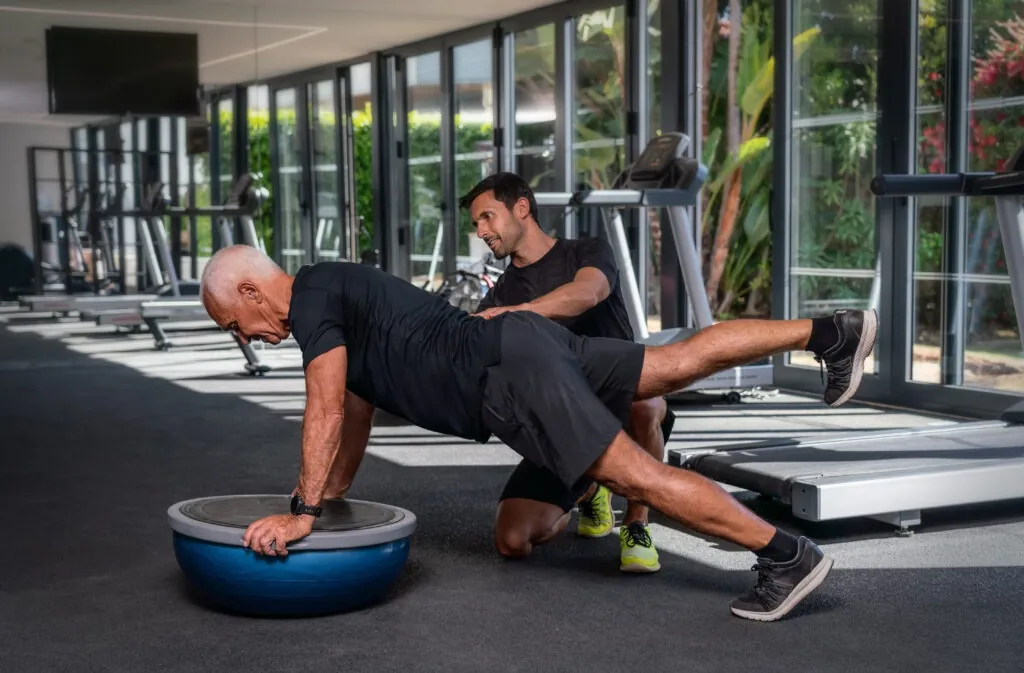
Education Is Part of Treatment
Understanding pain can make it feel less confusing.
Your physical therapist may teach you about:
- Why pain can persist
- How movement can help
- Why flare-ups happen
- How stress and sleep may affect symptoms
- How to pace activity
- How to build strength safely
- How to reduce fear around movement
Education can help you feel more in control.
When you understand what pain may mean — and what it does not always mean — movement can feel less intimidating.
Progress May Be Measured in More Than Pain Relief
Reducing pain matters.
But chronic pain recovery is often measured in more than pain scores.
Progress may also include:
- Walking farther
- Sleeping better
- Moving with less fear
- Doing daily tasks more easily
- Having fewer flare-ups
- Recovering faster after activity
- Feeling stronger
- Returning to activities you enjoy
- Feeling more hopeful
These improvements can be meaningful, even if pain does not disappear overnight.
Many Patients Value Physical Therapy
In The Pain Perspective, 90% of patients said they would recommend physical therapy.
That matters because many people living with pain are not only looking for temporary relief. They are looking for care that helps them understand their pain, move more confidently, and feel supported in daily life.
Physical therapy can be an important part of that path.
You Are Part of the Care Team
Physical therapy works best when you feel included in the plan.
You should understand what you are doing, why it matters, and how it connects to your goals.
Your therapist may adjust your plan based on your feedback. If something feels too difficult, too easy, confusing, or unrealistic, say so.
Your voice matters.
Better care should be something you build with your provider, not something that is simply handed to you.
Want to Go Deeper?
The Pain Perspective shares insights from patients, clinicians, and physicians about what better chronic pain care should look like.
One theme is clear: patients want care that listens, educates, supports movement, and helps them build confidence over time.
Taking the First Step Counts
Starting physical therapy does not mean you have all the answers.
It means you are taking a step toward understanding your pain and exploring what may help.
You deserve a care team that listens, explains, and helps you move forward at a pace that fits your life.
Chronic pain can feel overwhelming, but you do not have to figure it out alone.
