
Myofascial decompression – also known as cupping – can help ease muscle tension and improve your movement. Whether you’re dealing with pain from overuse or just feeling limited, this therapy helps restore flexibility and function. It works by promoting blood flow and releasing restrictions in your muscles.
Muscle tension, stiffness, and restricted movement can interfere with daily activities, athletic performance, and overall quality of life. When these issues persist, targeted therapeutic approaches may be needed to address both pain and the underlying soft tissue restrictions contributing to discomfort. Myofascial Decompression (MFD), commonly known as cupping, is an evidence-based physical therapy (PT) technique used to improve mobility, reduce muscle tension, and support the body’s natural healing processes.
Cupping uses specialized cups to create negative pressure on the skin and underlying tissues, helping to improve tissue glide, circulation, and neuromuscular function. When applied by a trained PT, cupping can be an effective complement to exercise, manual therapy, and movement retraining for conditions such as muscle soreness, stiffness, chronic pain, and select respiratory limitations. This article provides a comprehensive guide to the role of myofascial decompression in PT, explaining how it works, what to expect, and the benefits of seeking professional care.
Designed for individuals seeking relief from pain or movement restrictions and for healthcare professionals looking to better understand the clinical applications of cupping in the context of PT, this resource aims to empower readers with clear, evidence-based information to support informed decisions about care and recovery.
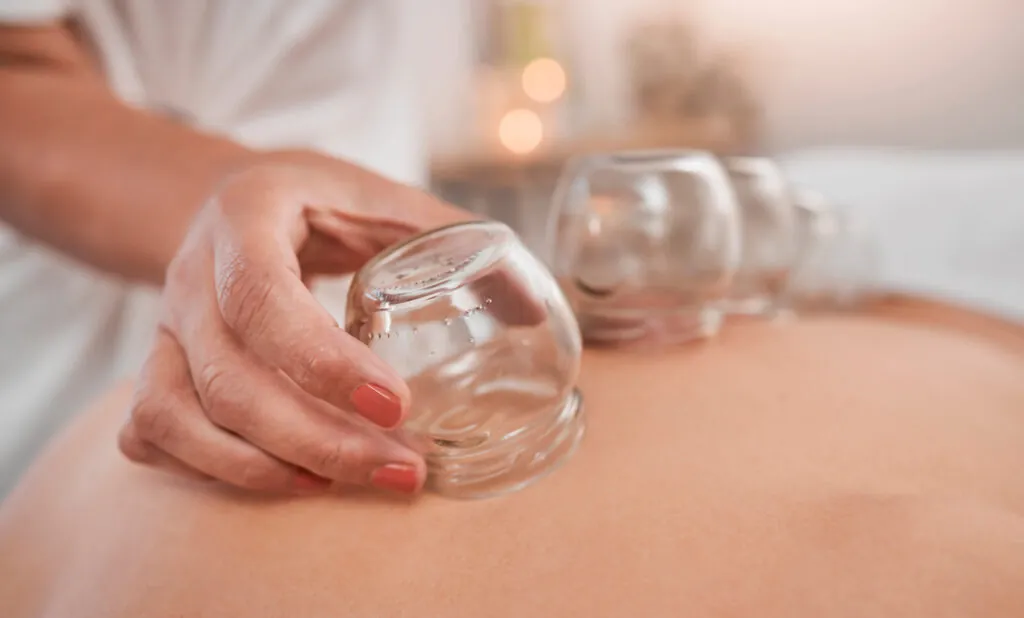
MFD, commonly referred to as cupping, is a therapeutic technique sometimes used inPT that involves placing glass, plastic or silicon suction cups on the skin to gently lift soft tissues. This suction creates a localized negative pressure intended to improve circulation, reduce muscle tension, and enhance connective tissue mobility. When integrated into a comprehensive rehabilitation plan by a trained PT, cupping is used to support pain relief and improve movement for various musculoskeletal conditions.1
Cupping therapy has a long history of use in traditional and modern therapeutic settings, and its clinical application continues to grow in popularity among practitioners and patients alike. Surveys of healthcare professionals – inclusive of PTs, athletic trainers, and other clinicians – report that cupping is frequently used to treat muscle tightness, myofascial trigger points, and musculoskeletal pain.2 Additionally, population data from international settings indicate that a notable proportion of patients have experienced cupping therapy, with usage more common among older adults and those seeking pain relief or alternative treatment options.3
Research into cupping’s clinical effects continues to evolve, and while evidence varies in quality, systematic reviews and meta-analysies may show positive effects on pain intensity and indications of improved soft tissue flexibility and localized circulation when compared with no intervention.1 These effects may relate to real-world improvements in comfort, mobility, and daily function for individuals managing muscle tension or chronic musculoskeletal discomfort under professional guidance.
Cupping is most often used in PT as an adjunct technique to address muscle tension, pain, and restricted movement. It is commonly applied for conditions such as muscle tightness or soreness, myofascial pain, soft-tissue stiffness following injury, overuse injuries, and limited mobility related to scar tissue or fascial restrictions. In some cases, clinicians may also incorporate cupping to support breathing mechanics or chest wall mobility when soft-tissue restrictions are present.
It is important to note that cupping should be framed as a technique that may help certain individuals rather than a standalone or definitive treatment. Current research suggests that evidence supporting cupping is generally weak to moderate, and studies often show that it does not consistently outperform sham treatments or standard PT interventions such as exercise, manual therapy, and movement retraining. For this reason, cupping is rarely used in isolation and is instead integrated into a broader, evidence-based PT plan.
When used appropriately, myofascial decompression may provide short-term changes in pain perception, tissue mobility, or movement awareness for some patients.2 PTs rely on clinical reasoning and patient response to determine whether cupping adds value to care, always prioritizing proven interventions like therapeutic exercise, education, and functional movement training as the foundation of treatment.
Cupping is most often discussed as a complemntary technique that may help with symptoms related to musculoskeletal pain and soft tissue dysfunction, especially when used alongside more established PT interventions. Some research suggests that cupping can lead to short-term reductions in pain intensity for individuals with chronic musculoskeletal pain conditions, such as neck pain or low back pain, indicating potential benefits for people experiencing localized discomfort.4
In clinical settings, cupping is sometimes applied when patients report muscle tightness, restricted soft-tissue mobility, or limited range of motion (ROM) that contributes to overall discomfort or functional limitations; moderate-quality evidence has suggested that dry cupping may improve functional status conditions like chronic neck pain.4 Studies also show that single sessions can have immediate effects on pain sensitivity and localized tissue responses, although these changes may not persist long-term or outperform sham treatments in many cases.5
It’s important to emphasize that while some patients may report subjective relief in musculoskeletal pain or soft tissue tension, the quality of evidence varies and high-quality, consistent outcomes are limited. As a result, clinicians typically view cupping as a “may help” adjunct rather than a primary treatment – and PTs integrate it within a broader, evidence-based care plan focused on strength, movement retraining, manual therapy, and functional restoration.6
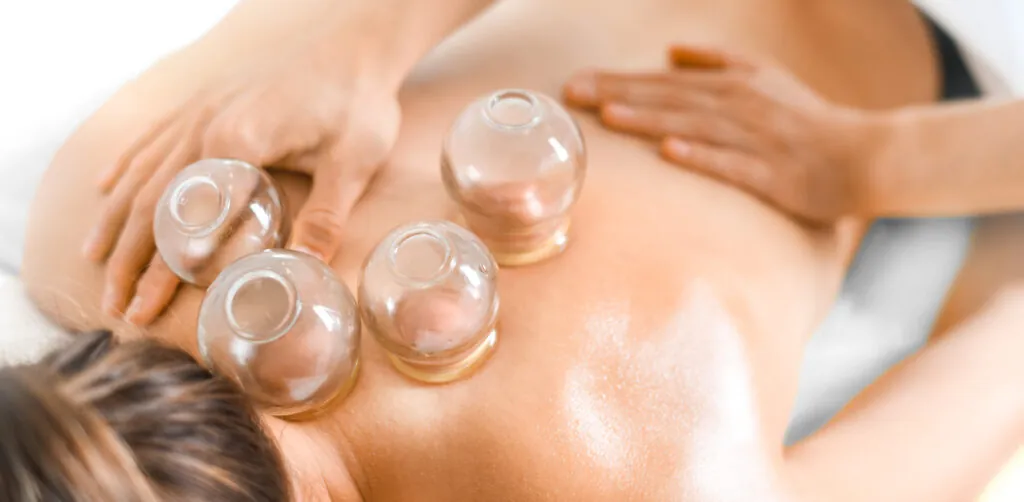
Determining whether cupping is appropriate begins with a comprehensive evaluation by a PT. PTs are extensively trained to assess musculoskeletal functions, identify movement dysfunction, and determine which interventions may be most effective. In all 50 states, thanks to direct access, you do not need a doctor’s referral to see a PT, allowing earlier access to care and faster symptom management. If medical conditions outside the scope of PT are suspected, your PT will recommend a follow-up with a physician.
You should consider seeing a PT if you are experiencing ongoing muscle or joint pain, soft tissue tightness, limited ROM, movement restrictions, or discomfort that interferes with daily activities or physical performance. A PT can independently evaluate these concerns and determine an appropriate plan of care. If your evaluation reveals red flags- such as unexplained neurological symptoms, signs of systemic illness, or traumatic injury – your PT will coordinate a referral to a physician as needed.
Rather than relying solely on imaging, PTs use movement-based assessments to understand the root cause of symptoms and dysfunction. This evaluation may include postural and gait analysis, ROM testing, strength and motor control assessment, soft-tissue examination, and functional movement screening. These tools allow PTs to identify how soft-tissue restrictions, strength deficits, or movement compensations contribute to pain and limited mobility.
Using clinical reasoning, evidence-informed practice, and patient response, PTs evaluate whether cupping may serve as a helpful adjunct to a broader treatment plan. Cupping may be considered when soft-tissue restrictions or pain modulation appear to limit movement, but it is not used in isolation. Instead, PTs prioritize proven interventions such as therapeutic exercise, manual therapy, and movement re-education, incorporating cupping only when it supports functional goals and overall recovery.
When used as part of a comprehensive PT plan, cupping may contribute to positive outcomes such as reduced pain intensity, improved soft-tissue mobility, and enhanced comfort during movement. Although evidence varies and cupping does not consistently outperform sham treatments or standard therapy alone, systemic reviews suggest that cupping can offer short-term pain relief and functional improvements for some individuals with chronic musculoskeletal pain when integrated with therapeutic interventions.4 Additionally, research indicates that soft-tissue work such as cupping may help improve localized tissue flexibility and circulation, potentially supporting patient’s overall comfort and functional participation in rehabilitation activities.7
As part of a broader PT program that includes exercise, manual therapy, and movement re-education, cupping may support patients in achieving better overall mobility, reduced discomfort during activities of daily living (ADLS), and improved self-perception of movement ease and confidence. These improvements can contribute to greater engagement in meaningful tasks, reduced fear of movement, and increased adherence to therapeutic exercise – all important factors in successful rehabilitation outcomes.

Selecting the right PT is essential when considering cupping as a part of your care plan. Look for a licensed PT who is trained in manual therapy and soft tissue techniques and who uses cupping as one component of an evidence-based treatment plan – not as a standalone solution. A qualified PT will begin with a comprehensive movement evaluation, clearly explain why cupping may or may not be appropriate for your condition, and prioritize proven interventions such as therapeutic exercise, movement retraining, and patient education.
Equally important is the patient-therapist partnership. Effective PT is collaborative, with open communication about symptoms, goals, comfort level, and treatment response. A strong partnership allows your PT to adjust techniques, including cupping, based on how your body responds and how those interventions support functional improvement. When patients feel informed, heard, and actively involved in decision-making, they are more likely to stay engaged in care and achieve meaningful, lasting outcomes.
Cupping involves placing specialized cups on the skin’s surface that provide suction to increase blood flow and reduce tension.
Cupping is generally not painful, though you may feel a pulling or stretching sensation as the suction is applied. Some people experience mild discomfort or tenderness during or after treatment, espeically in areas of tight muslce or tissue restriction. Any sensations are typically short-lived, and your PT can adjust the intensity to keep treatment comfortable.
Cupping may provide short-term relief for some people by temporarily reducing pain or muscle tension. But research shows mixed results. It does not consistently outperform sham treatments or standard PT, which is why it’s best used as an adjunct rather than a standalone treatment.
The suction from the cups lifts the skin and underlying tissue, which can cause temporary discoloration due to increased blood flow in the area. These marks are not bruises and typically fade within several days to a week.
Yes, cupping is safe when performed by a licensed PT who has been trained in the technique. Your therapist will screen for contraindications and ensure it is used appropriately within a broader, evidence-based treatment plan.