
The temporomandibular joints (TMJ) connect your jaw to your skull and help guide jaw movements. Issues with the TMJ are known as temporomandibular joint disorder or dysfunction (TMD). Jaw pain and discomfort can make daily activities like eating and talking difficult. But relief is possible with the right therapy. We use a combination of exercises, manual techniques, and gentle stretching to ease pain in your jaw, face, neck, and head. Together, we’ll work to reduce tension, restore movement, and get you back to feeling like yourself.
Temporomandibular joint (TMJ) disorder can cause significant pain and discomfort, often affecting daily activities such as eating, speaking, and even sleeping, This comprehensive guide explores how physical therapy (PT) plays a vital role in the treatment and recovery of TMJ disorder, helping relieve pain, restore normal jaw function, and improve overall quality of life. Readers will gain valuable insights into the specific techniques, exercises, and evidence-based interventions physical therapists (PTs) use to address TMJ dysfunction. Whether you’re an individual struggling with TMJ pain, a patient exploring non-invasive treatment options, or a healthcare professional seeking to better understand the benefits of PT for TMJ management, this guide provides the knowledge and direction needed to take the next step towards lasting relief.
The temporomandibular joint (TMJ) connects the jawbone to the skull and allows for movements needed to talk, chew, and yawn. When this joint or the surrounding muscles become irritated, inflamed, or misaligned, it can lead to temporomandibular joint disorder (TMD)- a condition that causes jaw pain, clicking or popping sounds, stiffness, or limited movement.1 Symptoms often extend beyond the jaw, contributing to headaches, ear discomfort, or neck pain.
TMJ disorders are surprisingly common. Research suggests that about 5-12% of the general population experience symptoms at any given time, while a global review found that up to one in three adults may have some degree of TMJ dysfunction during their lifetime.1 Studies also indicate that around 31% of adults and 11% of children or teens meet the clinical criteria for TMD.2
TMJ problems are much more common in women than in men, with some studies suggesting women are affected up to four times as often. Hormonal influences, stress, and jaw structure may all play a role in this difference.3 Symptoms most often appear between the ages of 20 and 40, a time when many people face high stress and busy lifestyles that can contribute to teeth clenching or jaw tension.
TMJ disorders can interfere with many simple daily activities, from chewing and talking to yawning or smiling. People often experience jaw pain, stiffness, or locking, along with headaches, ear discomfort or neck tension.3 These symptoms can make eating uncomfortable, disrupt sleep, and even affect posture, since jaw tension often leads to compensations in the neck and shoulders.3 Because the jaw plays such an important role in eating, communication, and expression, TMJ disorders can have a real impact on one’s quality of life-causing not only physical pain but also stress and self consciousness.
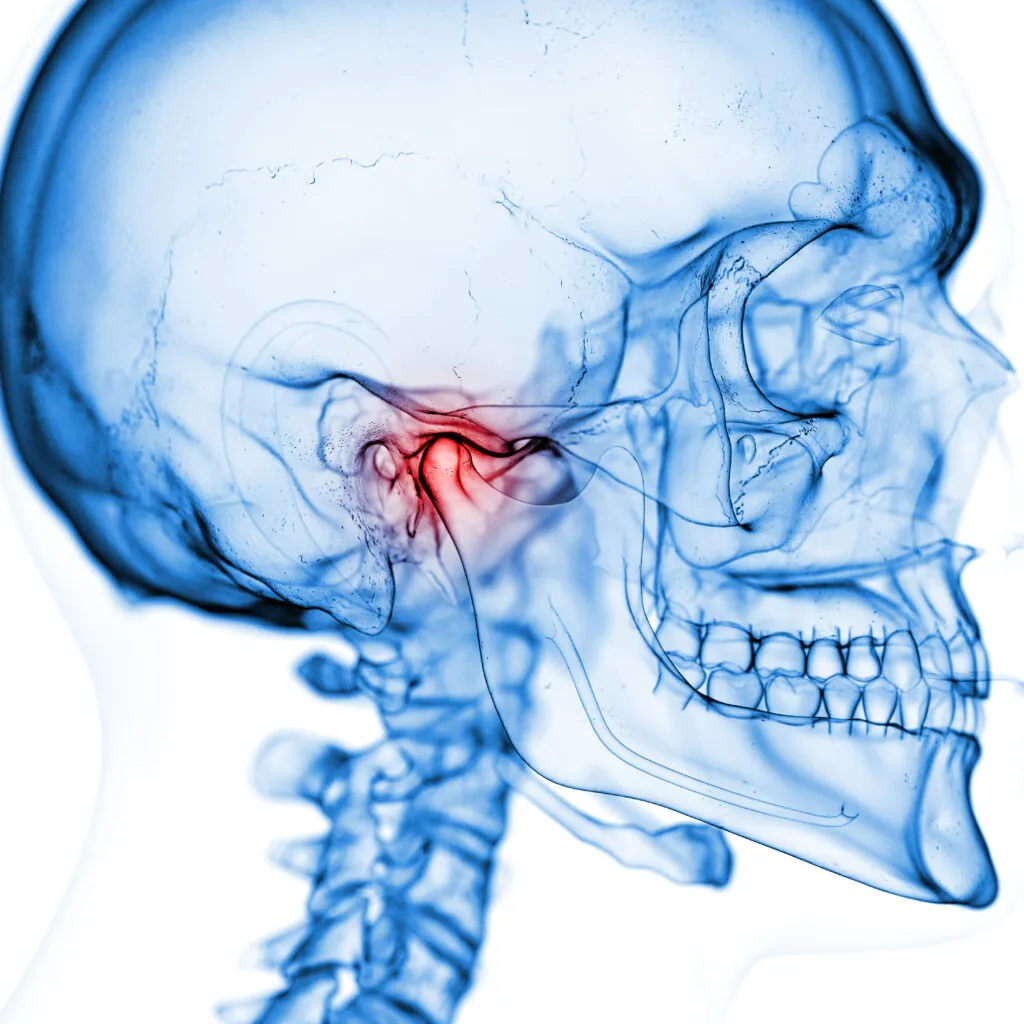
TMJ disorders can develop from a combination of physical, dental, and emotional factors. Injuries such as a blow to the jaw or whiplash can damage the joint or surrounding muscles, leading to inflammation and pain. Dental problems, including misaligned teeth or an uneven bite, can place excess strain on the jaw muscles and joints over time. Stress is another major contributor- many people clench or grind their teeth unconsciously when anxious, which can overwork the jaw muscles and worsen symptoms. In some cases, underlying medical conditions like arthritis, connective tissue disorders, or chronic muscle tension can affect the structure and function of the TMJ, making it more prone to pain and dysfunction.4
While anyone who uses their hands and arms regularly can develop tennis elbow, certain lifestyle, work, and physical factors make some individuals more prone to it than others. The condition doesn’t occur overnight- it typically builds up over time due to repetitive stress, poor movement patterns, or inadequate rest between activities. Understanding your personal risk factors can help you prevent flare-ups and recognize early warning signs before pain becomes chronic.
TMJ disorder can cause a variety of symptoms that range from mild discomfort to significant pain and jaw dysfunction. One of the most common complaints is pain or tenderness in the jaw joint, faces, neck, or around the ears. This pain often worsens with activities that involve jaw movement- like chewing, talking, or yawning and may feel dull, achy, or sharp depending on the cause.1
Another hallmark sign of TMJ disorder is clicking, popping, or grinding sounds when opening or closing the mouth. These noises are typically linked to a displaced disc within the joint or uneven movement between the jawbone and skull. While occasional clicking without pain is usually harmless, persistent or painful noises may indicate an underlying problem that requires treatment.4
People with TMJ disorder also commonly experience headaches and earaches. Because the jaw muscles are closely connected to the head and neck, tension or inflammation in this area can radiate upward, leading to tension-type headaches or pain that feels like an ear infection.
In more advanced cases, individuals may have difficulty opening or closing the mouth fully or even experiencing episodes where the jaw “locks” in place. This limited range of motion (ROM) can make everyday activities like eating, speaking, or yawning uncomfortable and frustrating.4
Proper diagnosis is essential for effectively managing TMJ disorder. Individuals experiencing persistent jaw pain, clicking or opposing, headaches, or difficulty opening the mouth should consider seeing a PT. PTs often serve as the first point of contact for musculoskeletal evaluation and may work alongside a dentist who can provide additional interventions such as a custom mouth guard to prevent teeth grinding or jaw cleaning. Although dentists can be useful in this situation it is important to remember that PTs are well trained and qualified in treating TMJ disorders.
Diagnostic tests for TMJ disorder typically begin with a thorough medical history and physical examination. Imaging tests such as X-rays, MRI, or CT scan may be ordered to further assess joint structure, disc position, or signs of arthritis. However, in most cases, PTs can identify TMJ dysfunction through careful observation, palpation, and movement assessment without the need for extensive imaging.
PTs evaluate TMD by examining jaw mobility, muscle strength, joint sounds, posture, and movement patterns. They may also assess related areas such as the neck, shoulders, and upper back, since tension or misalignment in these regions can contribute to jaw pain. PTs use these findings to develop a personalized treatment plan that addresses the unique combination of factors affecting each patient, including muscle tension, joint mechanics, posture, and daily habits.
A personalized approach is key because TMJ disorders vary widely between individuals, By tailoring treatments to the specific news and goals of each patient, PTs can help reduce pain, improve function, and support long-term jaw health.5
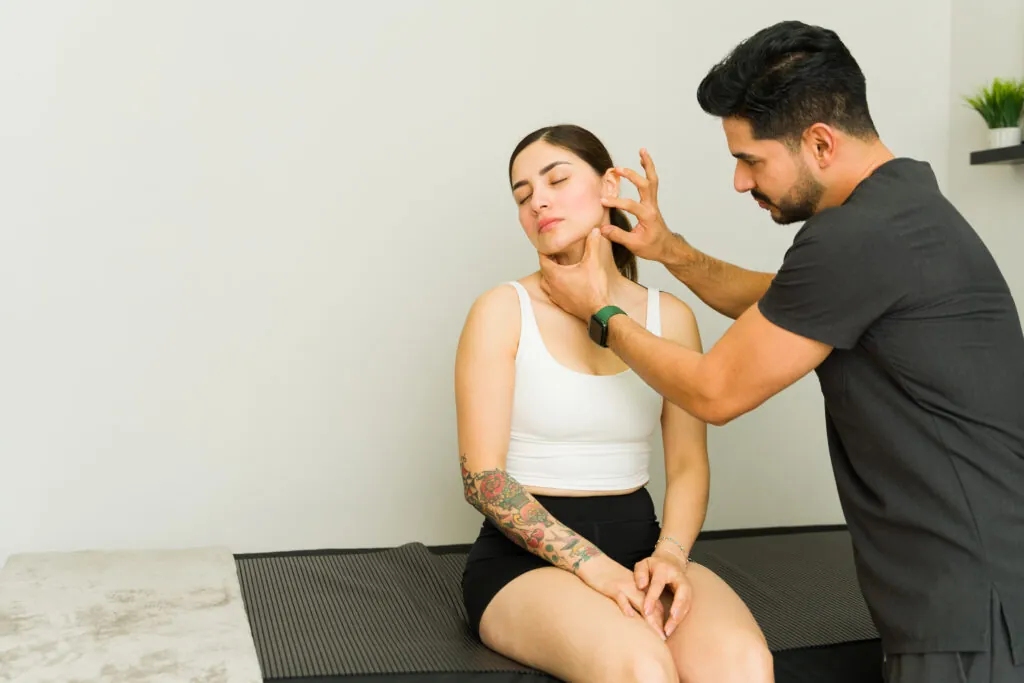
Treatment for TMJ disorders typically begins with non-surgical approaches, which are often effective in reducing pain and restoring function. PT plays a central role, using exercises, manual techniques, and postural training to relieve jaw tension, improve ROM and correct movement patterns.5
Other non-surgical options include mouthguards or splints, which help prevent teeth grinding or clenching, stress management techniques such as relaxation exercises or biofeedback, and in some cases, medications or injections to reduce inflammation or control pain.4
For patients whose symptoms do not improve with conservative care, surgical options may be considered. These include:
Non-surgical treatments are generally recommended as the first line of care, with surgery considered only when conservative approaches fail or the joint is significantly damaged.
Living with TMJ disorder can be challenging, but PT provides tools and strategies to help manage symptoms and improve jaw function. PTs use a variety of exercises and practices tailored to each patient’s needs. These may include gentle jaw stretching and strengthening exercises to improve mobility and reduce stiffness, manual therapy techniques to relax tight muscles and improve joint alignment, and postural training to correct neck and shoulder positions that may contribute to jaw strain. PTs may also teach relaxation techniques and stress-reduction strategies to minimize jaw clenching or teeth grinding.
The goals of PT for TMJ disorder focus on reducing pain, restoring normal jaw movement, improving strength and coordination of the jaw muscles, and preventing future flare-ups. By addressing both the joint and surrounding musculature, PT sessions aim to help patients regain confidence in performing daily activities such as eating and speaking comfortably. Over time, consistent practice of these exercises and adherence to a personalized plan can significantly enhance the quality of life and long-term jaw health.
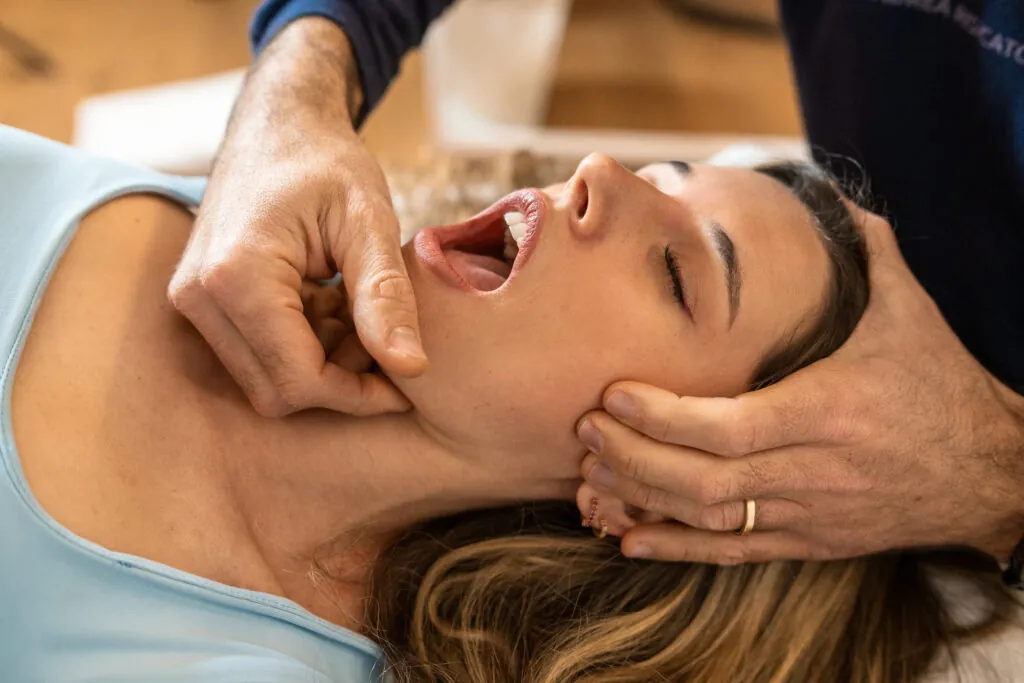
PT is one of the most effective non-surgical treatments for TMJ disorder, targeting the root causes of pain and dysfunction rather than just the symptoms. Through a combination of hands-on techniques, guided exercises, and patient education, PT helps restore normal jaw movement, relieve muscle tension, and reduce strain on the temporomandibular joint. Research supports the use of PT as a first-line treatment for TMJ disorders, with evidence showing improvements in pain, mouth opening, and overall function.6
Evidence-based approaches in PT for TMJ disorders focus on improving joint alignment, enhancing muscular control, and addressing contributing factors such as posture and stress. These approaches may include manual therapy, which involves gentle hands-on techniques to mobilize the joint, stretch tight muscles, and release tension in the surrounding tissues. Therapeutic exercises are also key. Patients are guided through controlled jaw movements, strengthening and stretching routines, and coordination drills designed to restore balanced motion.5
The goals of PT sessions for TMJ disorder include reducing pain and inflammation, improving jaw mobility and stability, and preventing symptom recurrence. Over time, patients learn to recognize triggers- such as stress, poor posture, or teeth clenching- and adopt healthier habits to protect their jaws. With consistency, PT can help individuals regain comfort and confidence in everyday activities like eating, speaking, and smiling.
PT offers lasting, meaningful relief for those struggling with TMJ disorder. By addressing the underlying root causes of pain, such as muscle tension, joint stiffness, and postural imbalances, PT helps restore nature, pain-free jaw movement. Patients often report less jaw pain, improved ability to open and close their mouth, and reduced clicking or locking after consistent treatment.
Beyond physical improvement, PT enhances overall well-being. Headaches, neck pain, and stress related tension frequently diminish as jaw alignment and function improve. PT also empowers patients with education and self-management tools, allowing them to recognize triggers and prevent flare ups. Perhaps most importantly, PT provides a non-invasive alternative to medication or surgery, offering safe, evidence-based solutions that promote long-term joint health and improved quality of life
While not all cases of TMJ disorder can be prevented, adopting healthy habits can significantly reduce the risk of jaw pain and dysfunction. One of the most effective strategies is avoiding jaw overuse- limit frequent gum chewing, nail biting, or eating very hard foods that strain the joint. Managing stress is also important. As clenching or grinding teeth (often unconsciously during stressful times) can lead to jaw tension and muscle fatigue. Techniques such as deep breathing, mindfulness, or gentle stretching can help reduce tension.
Maintaining good posture plays a major role in long-term jaw health. Slouching or forward head posture can tighten the neck and jaw muscles, placing extra pressure on the TMJ. A PT can teach proper sitting and standing alignment to minimize staring. Additionally, using a night guard prescribed by a dentist can help protect the teeth and jointly if you grind or clench while sleeping.7
To promote long-term jaw well-being, practice gentle jaw relaxation techniques- keeping the lips together, teeth slightly apart, and tongue resting on the roof of the mouth. Regularly performing exercises recommended by a PT can help maintain mobility, flexibility, and strength. With consistent self-care, postural awareness, and stress management, many people can prevent TMJ symptoms from recurring and enjoy lasting law comfort.
Selecting the right OPT is a key step in achieving long-term relief from TMJ disorder. It’s important to look for a licensed PT with specialized training or experience in treatment TMJ dysfunction, as these clinicians understand the complex relationship between the jaw, neck, and posture, Many skilled therapists pursue advanced coursework in manual craniofacial rehabilitation, or orofacial pain management, which can greatly enhance treatment outcomes.
When choosing a provider, consider asking about their experience treating TMJ disorders, the techniques they use (such as soft tissue mobilization, postural correction, and relaxation training), and whether they collaborate with dentists or other specialists. This interdisciplinary approach often leads to more effective lasting results.
Equally important is building a strong patient-therapist relationship. Effective treatment depends on open communication, trust ,and consistency. A good PT will take the time to understand your unique symptoms, listen to your goals, and tailor a personalized plan that fits your needs and lifestyle. Active participation such as performing home exercises, following posture recommendations, and providing feedback-helps ensure the best possible outcome.
Physical therapy can address imbalances, provide pain relief, and education on how to fix TMD.
Yes, dry needling may be a form of treatment in TMD.
TMJ disorder isn’t always a lifelong problem-many people experience temporary symptoms that improve with conservative treatments such as PT, stress management, and lifestyle changes. However, in some cases, it can become a chronic condition requiring ongoing care.
TMJ can range from mild discomfort to a more serious condition that interferes with daily activities such as eating and speaking. While most cases are manageable, severe TMJ can significantly impact quality of life and may require specialized treatment.