
Osteoporosis can lead to weak bones and fractures, but we’re here to help you strengthen and protect your bones. Half of women and a quarter of men over the age of 50 will face an osteoporosis-related fracture, but physical therapy can help reduce that risk. We work with you to develop a plan that not only prevents further bone loss but also strengthens the muscles around weakened bones to improve your stability. Together, we’ll focus on exercises that enhance your balance and reduce your risk of falls, so you can stay active and independent for years to come.
Osteopenia and osteoporosis are progressive conditions that can significantly impact bone strength, mobility, and overall quality of life. As bone density decreases, individuals may experience pain, functional limitations, and an increased risk of fractures. Physical therapy (PT) plays a critical role in the management and recovery of both osteopenia and osteoporosis by addressing pain, improving strength and balance, and promoting safe movement strategies. This page provides a comprehensive overview of how PT supports bone health, enhances function, and helps individuals maintain independence through targeted exercises, evidence-based techniques, and personalized care. Whether you are a patient seeking treatment options or a healthcare professional exploring supportive interventions, this guide outlines the value of PT in effective osteoporosis and osteopenia management.

Osteopenia and osteoporosis are conditions characterized by reduced bone mineral density (BMD), resulting in decreased bone strength and an increased risk of fracture. Osteopenia represents an early stage of bone loss, while osteoporosis is a more advanced and severe condition associated with significantly higher fracture risk.1 These conditions are commonly diagnosed using dual-energy x-ray absorpitometry (DEXA) scans, which quantify bone density relative to established norms.2
Bone density measurements are reported using T-scores and Z-scores. T-scores compare an individual’s bone density to that of a healthy young adult and are primarily used for diagnosis in postmenopausal women and older adults. Z-scores compare bone density to age-and-sex-matched norms and may be used to identify secondary causes of bone loss, particularly in younger individuals.3 Each standard deviation decrease in bone density is associated with a substantially increased risk of fracture, underscoring the clinical importance of early intervention.4
The primary distinction between osteopenia and osteoporosis lies in the degree of bone density loss. Osteopenia is defined by a T-score between -1.0 and -2.5 standard deviations below the mean peak bone mass of a young, healthy adult, whereas osteoporosis is diagnosed with the T-score is -2.5 or lower, indicating more severe bone fragility.2 Osteoporosis represents a progressive condition with a higher likelihood of fractures, particularly of the hip, spine, and wrist, even with minimal trauma.1
Osteoporosis affects an estimated 10 million individuals in the United States with an additional 44 million diagnosed with osteopenia, placing them at increased risk for developing osteoporosis.5This condition disproportionately affects postmenopausal women due to hormonal changes, though men account for approximately 20% of osteoporosis-related fractures.5 With an aging population, the prevalence and associated healthcare burden of osteopenia and osteoporosis are expected to rise significantly.
Both osteopenia and osteoporosis can substantially impact daily function and quality of life. Individuals may experience chronic pain, postural changes, reduced mobility, and fear of movement due to fracture risk. Vertebral compression fractures, in particular, can lead to height loss, spinal deformities, impaired balance, and difficulty performing activities of daily living (ADLs).1 PT plays a vital role in addressing these functional limitations by promoting safe movement, improving strength and balance, and reducing the risk of falls and fractures.
Bone loss occurs naturally as part of the aging process, but the extent and consequences vary between osteopenia and osteoporosis. Osteopenia reflects a mild decrease in bone density that occurs in many adults over time; it is largely a normal, age-related phenomenon influenced by gradual changes in bone remodeling.6 Osteoporosis, however, is not inevitable. It develops in a subset of individuals when bone loss becomes severe enough to compromise bone strength and increase fracture risk. The likelihood of developing osteoporosis depends on a combination of non-modifiable factors, such as age, sex, and genetics, and modifiable factors, including lifestyle habits, nutrition, and certain medical conditions.5,7
This natural age-related decline in bone density increases the risk of developing osteopenia and, in some individuals, progressing to osteoporosis, particularly in adults over 50 and especially in women, who experience accelerated bone loss after menopause due to decreased estrogen levels.7 Women are generally about four times more likely than men to develop osteoporosis reflecting differences in peak bone mass and hormonal changes with age.5 Older age and female sex are among the strongest non-modifiable risk factors for low bone density and fractures.7 Lifestyle and other modifiable factors further increase risk: cigarette smoking is associated with reduced bone density and greater fracture risk, and excessive alcohol use adversely affects bone remodeling and nutrient absorption, contributing to bone loss.6,7 Inactivity, poor nutrition (including low calcium and vitamin D),and certain medications or medical conditions also play key roles in accelerating bone loss and increasing susceptibility to osteopenia and osteoporosis.6
Osteopenia and osteoporosis are often referred to as “silent diseases” because bone loss typically occurs gradually and without noticeable symptoms in the early stages.6 Most individuals are unaware of any changes in bone density until a fracture occurs, often following a minor fall or injury.7 Vertebral fractures can sometime cause back pain, loss of height, or a stooped posture, but many fractures, especially in the hip or wrist, may be the first indication that significant bone loss has occurred.5
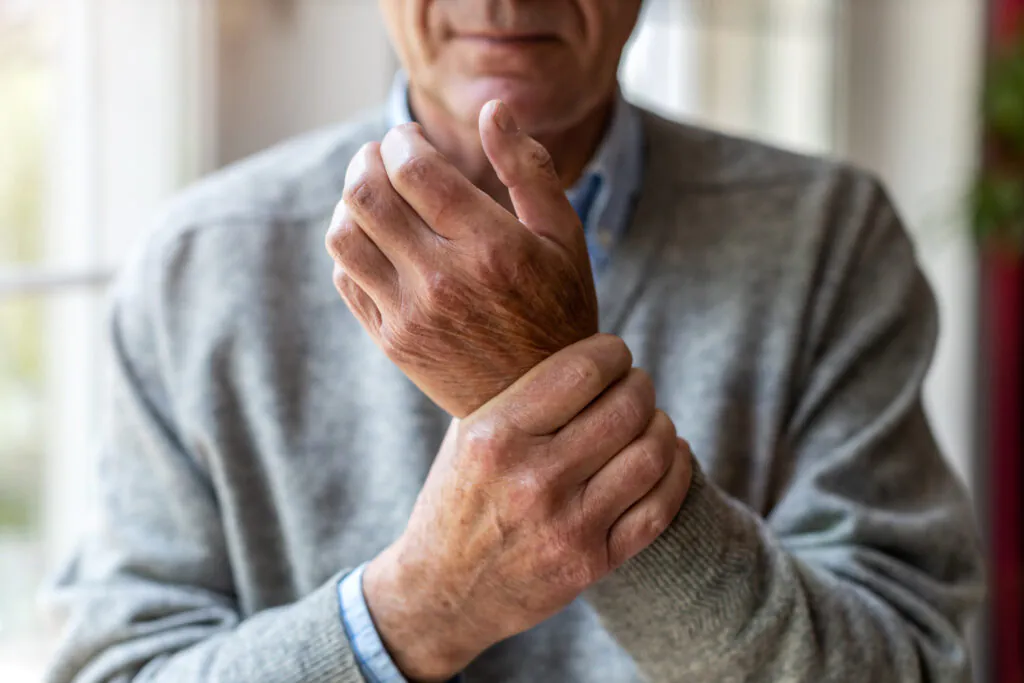
Osteopenia and osteoporosis are often silent conditions, making early detection critical. Physical therapists (PTs), as movement excerpts, play a key role in identifying functional limitations, risk factors for bone loss, and potential fall hazards, even before a formal medical diagnosis is made.8 Individuals may seek PT evaluation for concerns about decreased strength, balance, posture changes, or history of low-impact fractures.
The gold standard for diagnosing osteopenia and osteoporosis is the bone mineral density (BMD) scan, typically performed using a dual-energy X-ray absorptiometry (DEXA). These scans provide the T-scores and Z-scores, mentioned earlier, which quantify bone loss and help guide treatment decisions.2
PTs assess functional strength, balance, posture, and mobility, identifying movement patterns that may increase fracture risk.7 They also review lifestyle factors such as activity level, nutrition, and habits like smoking or alcohol use, which can influence bone health.
Because each patient’s bone health, functional status, and risk factors are unique, a personalized treatment plan is essential. PTs design targeted exercise programs that improve strength, flexibility, balance, and safe movement strategies, aiming to reduce fracture risk and enhance overall quality of life. They may also provide education on posture, fall prevention, and safe activity progression.8

Treatment for osteopenia and osteoporosis focuses on slowing bone loss, improving bone strength, and reducing fracture risk. Approaches are typically non-surgical and can be tailored based on individual risk factors, bone density, and functional status.
Living with osteopenia or osteoporosis does not mean avoiding movement – rather, it means moving with purpose and guidance. PT plays a central role in helping individuals remain active, independent, and confident while minimizing fracture risk.
PTs design individualized, evidence-based programs tailored to bone density, fracture risk, mobility, and overall health, Interventions commonly include:
All exercises are carefully progressed to ensure safety while still providing sufficient mechanical stimulus to support bone health.
The primary goals of PT for individuals with osteopenia and osteoporosis are to reduce fracture and fall risk while improving strength, balance, and overall mobility. PT focuses on maintaining and reinforcing bone-supportive movement patterns, enhancing posture and spinal stability, and addressing functional limitations that may compromise safety during daily activities. An additional goal is to promote long-term independence and quality of life by empowering patients with the knowledge, confidence, and skills needed to remain physically active. Through personalized treatment planning, PTs help patients safely integrate appropriate exercise and movement strategies into everyday life, supporting both bone health and overall functional well-being.
PT plays a significant role in managing osteopenia and osteoporosis by slowing bone loss, improving strength and balance, and reducing fall and fracture risk. Research supports the use of progressive resistance and weight-bearing exercises as part of a comprehensive exercise approach to stimulate bone remodeling and maintain BMD in individuals with low bone density.10
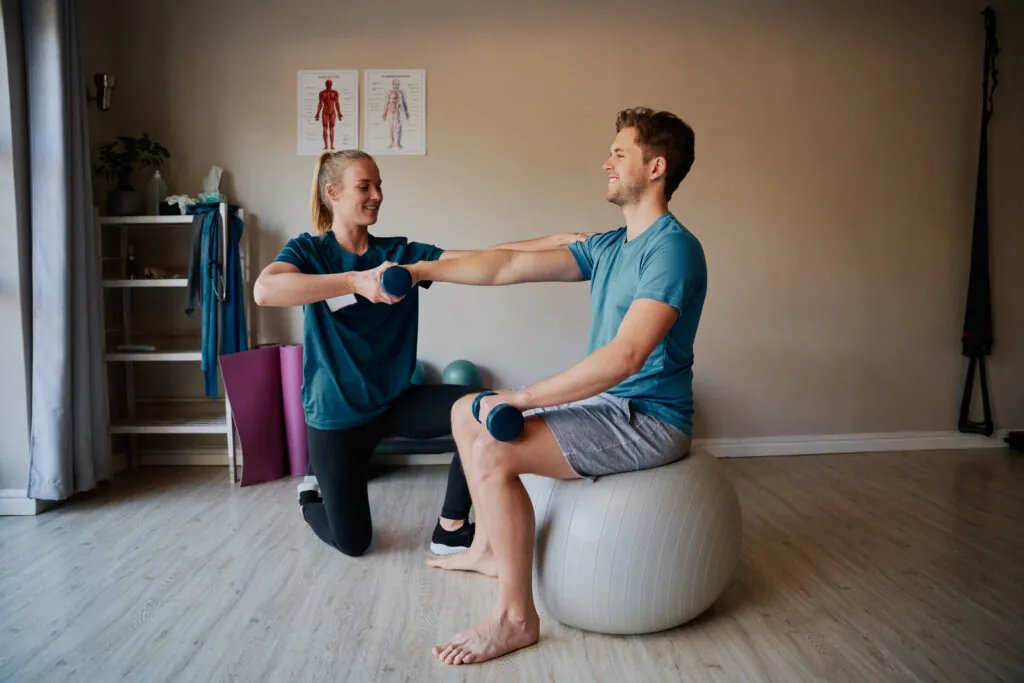
PTs, as movement experts, assess each individual’s functional status, mobility, postural control, and fall risk to develop a personalized exercise plan that safely incorporates bone-stimulating activities.11 These plans often include strength training with resistance or weights to load joints and muscles, which has been shown to help preserve or modestly improve BMD, and weight-bearing impact activities to provide the mechanical stimulus bones require for adaptation.10
In addition to strength and impact exercises, PT programs may integrate balance and proprioceptive training, postural strengthening, and functional movement practice to further reduce the risk of falls, a leading contributor to fractures in osteoporosis.111 PTs also educate patients on safe movement strategies, activity progression, and modification of high risk tasks, reinforcing rehabilitation goals that support long-term independence and overall musculoskeletal health.
PT offers numerous positive outcomes for individuals with osteopenia and osteoporosis, supporting both functional improvement and long-term bone health. Working with a PT can improve balance and strength, which helps reduce the risk of falls and related fractures that are common in people with low bone density.12 Targeted exercise interventions can enhance muscle support around vulnerable areas, address stooped posture, and help maintain or slow the decline of BMD contributing to better overall physical function and quality of life.12
Clinical research supports these benefits: exercise programs supervised or guided by PTs have been shown to improve quality of life and physical function, including strength, balance, and endurance or spine muscles, and reduce pain and fear of falling in individuals with osteoporosis.13 Tailored balance and resistance training may also significantly decrease fear of falling and fall incidence in adults with osteopenia and osteoporosis, further supporting the value of PT in comprehensive care plans.13
Preventing osteopenia and osteoporosis begins with a lifelong approach to bone health, as much of an individual’s peak bone mass is established during childhood, adolescence, and early adulthood. While bone density naturally declines with age, especially after midlife, early and consistent exposure to appropriate mechanical loading plays a critical role in determining long-term skeletal strength. It is important to acknowledge that significant bone loss later in life is difficult to fully reverse, underscoring the importance of prevention rather than relying solely on treatment after bone density has declined.
Consistent physical activity is one of the most effective preventative strategies; however, not all exercise is beneficial for bone density. Low-impact activities such as walking, swimming, or cycling, while valuable for cardiovascular health, do not provide sufficient mechanical stimulus to meaningfully improve or maintain BMD. In contrast, progressive resistance training and high-impact or weight-bearing activities, such as lifting weights and jumping, are far more effective at stimulating bone formation and preserving skeletal strength. These activities apply the forces bones need to adapt and remain resilient over time.
Selecting the right PT is an important step in effectively managing osteopenia and osteoporosis. Patients should seek a licensed PT with experience in bone health, fall prevention, and progressive strength and weight-bearing exercise. PTs with a strong background in orthopedic care or geriatrics are particularly well-suited to address the unique needs of individuals with low bone density.
Equally important is the patient-therapist partnership. Successful outcomes depend on open communication, shared goal setting, and individualized treatment planning. A qualified PT will take time to assess movement patterns, discuss personal goals and concerns, and educate patients on safe, effective strategies for long-term bone health. This collaborative approach empowers patients to actively participate in their care, improves adherence to exercise programs, and supports sustained functional independence and confidence in daily activities.
There is no set timeline. Some people remain osteopenic for many years without progressing, while others may develop osteoporosis more quickly depending on age, hormones, lifestyle, and medical risk factors.
Yes, especially in younger individuals or those with mild osteopenia. With appropriate strength and impact exercise, food nutrition, and risk-factor management, bone density can improve, though gains become harder with age.