
Recovering from a concussion can feel overwhelming. Symptoms like headaches, dizziness, difficulty concentrating, and sensitivity to light or movement can disrupt your daily routine and make even simple tasks feel challenging. The good news? You don’t have to navigate recovery alone, and you don’t have to wait for symptoms to just go away.
At Confluent Health, concussion management is approached with the same philosophy that guides all physical therapy (PT) care: restore movement, reduce symptoms, and help you safely return to the activities that matter most. PT is a proven, evidence-based approach that combines targeted exercise, hands-on techniques, and patient education to address both the physical and neurological effects of injury.
This guide is designed to give you a clear, practical understanding of how PT plays a critical role in concussion recovery. Whether you’re an athlete working toward return-to-play, a professional aiming to get back to work, or someone simply trying to feel like yourself again, understanding your options is the first step toward progress.
In the sections ahead, we’ll break down common concussion symptoms, underlying causes, and how PT can support recovery at every stage, so you can move forward with confidence, clarity, and the right care plan in place.
Concussion management is a comprehensive, individualized approach to evaluating and treating a concussion, a type of mild traumatic brain injury that can affect how the brain and body function together. Rather than relying on prolonged rest alone, current best practice emphasizes an active, guided recovery process. Physical therapists (PTs) play an important role by assessing systems often impacted by concussion, including balance, vision, neck mobility, and coordination, and then developing a targeted plan to address these impairments and safely progress activity levels.
Concussions are more common than many people realize, with an estimated 1.6 to 3.8 million sports- and recreation-related concussions occurring annually in the United States alone, in addition to those caused by falls and motor vehicle accidents.¹ They affect individuals across all age groups, though children, adolescents, and older adults are at higher risk due to factors like activity level, balance, and reaction time.¹
The impact of a concussion extends beyond the initial injury. Symptoms can interfere with concentration, work performance, school participation, sleep, and everyday movement. Without proper guidance, some individuals experience prolonged symptoms. A structured, evidence-based approach, including PT, can help reduce symptom duration, restore function, and support a safe return to daily activities.²
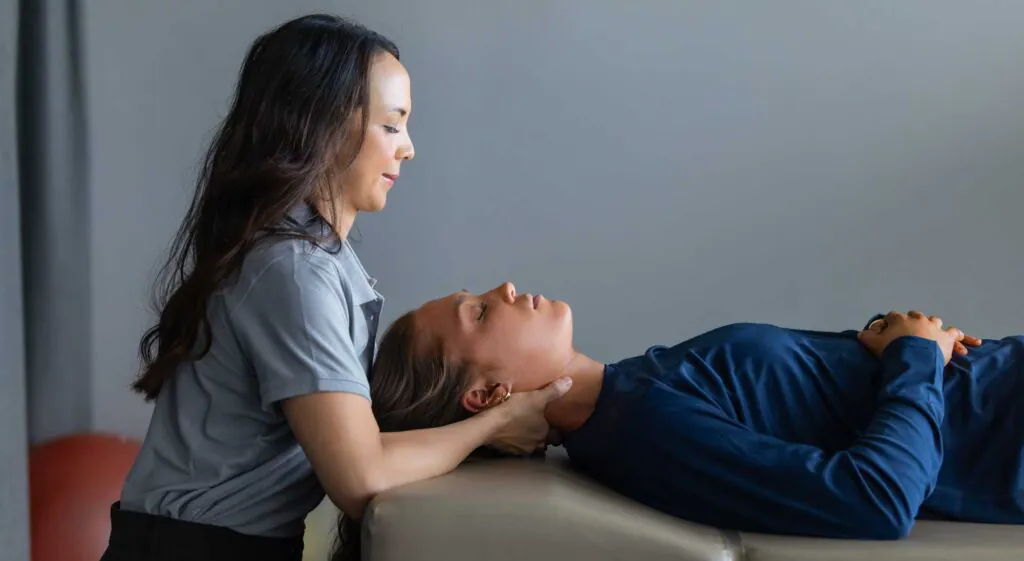
Concussions occur when a sudden force or movement causes the brain to shift within the skull, disrupting normal brain function. This can happen through direct impact to the head or from rapid acceleration and deceleration forces, such as those seen in whiplash injuries. Common causes include falls, which are a leading contributor in both older adults and young children; sports-related injuries, particularly in contact or high-velocity sports like football, soccer, and hockey; and motor vehicle accidents, where sudden changes in speed can transmit force to the brain even without a direct blow to the head.¹
Certain factors can increase an individual’s risk. Participation in contact sports or high-risk recreational activities raises the likelihood of injury, as does a history of prior concussion, which has been shown to increase susceptibility to subsequent concussions and potentially prolong recovery. Occupations or lifestyles involving frequent exposure to falls, collisions, or high-speed movement may also elevate risk.³
Concussion symptoms can vary widely from person to person and may appear immediately after injury or develop gradually over the hours or days that follow. Because a concussion affects how the brain and body communicate, symptoms often fall into multiple categories: physical, cognitive, and emotional, and can fluctuate throughout recovery. Common physical symptoms include headaches, dizziness, nausea, and vomiting, along with sensitivity to light or noise. Many individuals also experience balance difficulties, blurred vision, and increased fatigue, which can make routine activities like walking, driving, or working on a computer more challenging.¹
Cognitive symptoms are also common and can be just as disruptive. Patients often report difficulty concentrating, slowed thinking, memory challenges, or feeling mentally “foggy.” These changes can impact performance at work or school and may become more noticeable during tasks that require sustained attention or multitasking. In addition, emotional and behavioral symptoms, such as irritability, anxiety, or changes in sleep patterns, are frequently reported and are a normal part of the body’s response to injury.²
It’s important to recognize that symptoms are often influenced by activity levels. Many people notice that symptoms worsen with physical exertion, screen time, or environments with high sensory input. This is why a guided, gradual return to activity is essential, allowing the brain to recover without being overwhelmed.
While most concussion symptoms improve with appropriate care, certain signs may indicate a more serious condition and require immediate medical attention. These include loss of consciousness, a severe or worsening headache, repeated vomiting, seizures, significant confusion, or difficulty staying awake. PTs are trained to screen for these red flags and ensure patients are referred for urgent medical evaluation when needed, helping prioritize both safety and optimal recovery.¹
Recognizing when to seek medical care is an important first step in concussion management. While many symptoms are mild and improve with time, certain changes should prompt immediate evaluation. These include vision changes, seizures, or any of the red flag symptoms discussed earlier, such as loss of consciousness, repeated vomiting, or a worsening headache. Early assessment helps rule out more serious conditions and ensures the right plan of care is in place from the start.¹
A concussion is primarily a clinical diagnosis, meaning it is based on a detailed history and physical examination rather than a single test. Healthcare providers, including PTs, are highly trained in evaluating and identifying concussions. PTs perform thorough, systems-based assessments that examine balance, coordination, eye movements, neck function, and cognitive symptoms to determine how the injury is affecting the body. This comprehensive evaluation allows PTs to not only recognize concussion-related impairments, but also differentiate them from other conditions and determine when referral to another provider is necessary.
Imaging such as CT scans or MRIs is not typically required for diagnosing a concussion itself, but may be used to rule out more serious complications like bleeding or structural injury when red flag symptoms are present. This collaborative, patient-centered approach ensures individuals receive an accurate diagnosis and are guided toward the most appropriate and effective treatment plan.
Effective concussion treatment is not one-size-fits-all. Because symptoms and severity can vary widely, care should be individualized and guided by a thorough evaluation. Current best practice emphasizes an active, progressive approach to recovery, one that balances symptom management with a gradual return to normal activities. PT plays a central role in this process, often working alongside other healthcare providers to address the full scope of concussion-related impairments and support safe, efficient recovery.
Most concussions are successfully managed with non-surgical, conservative care. Concussion-focused PT is a key component, targeting specific systems affected by the injury. This may include vestibular rehabilitation to improve dizziness and balance, oculomotor exercises to address visual disturbances, and cervical spine treatment to reduce neck pain and headache symptoms. In addition, guided aerobic exercise programs are often introduced early in recovery to help regulate the nervous system and improve overall tolerance to activity. Evidence shows that this type of targeted, progressive rehabilitation can help reduce symptom duration and improve outcomes.²
Rest and activity modification are also important, particularly in the early phase after injury. However, prolonged or complete rest is no longer recommended. Instead, patients are encouraged to gradually resume physical and cognitive activities within their symptom tolerance. This approach helps prevent deconditioning and supports more efficient recovery.¹
Depending on individual needs, other therapies may be incorporated into care. Vision therapy can address issues such as difficulty focusing or tracking, vestibular therapy targets motion sensitivity and imbalance, and cognitive rehabilitation can help improve memory, attention, and processing speed. This multidisciplinary approach ensures that all aspects of the concussion are addressed, not just the initial injury.
Beyond rehabilitation, researchers are increasingly interested in nutritional strategies that may support the injured brain, and creatine has drawn particular attention. A concussion triggers what is often described as an “energy crisis” in the brain: the injury disrupts normal cellular metabolism at the very moment the brain’s demand for energy (in the form of ATP) increases. Because creatine helps the brain produce and recycle ATP, supplementation has been studied as a way to help stabilize this metabolic disruption.⁵
Much of the current evidence is still preliminary. Animal studies have been encouraging, with some showing meaningful reductions in brain damage when creatine was provided before injury, and a small early study in children and adolescents reported improvements in several recovery-related outcomes. Several narrative and scoping reviews have summarized this body of work and described creatine as a promising neuroprotective supplement for mild traumatic brain injury. Importantly, large, high-quality human trials focused specifically on concussion are still limited and ongoing, so creatine is not yet an established, standalone treatment.⁶
Creatine is one of the most extensively studied dietary supplements and is generally considered safe and well tolerated in healthy individuals. Even so, supplementation should never replace evidence-based care, and anyone considering it, particularly during concussion recovery, should consult a qualified healthcare provider to determine whether it is appropriate and how it might fit into an overall recovery plan.
Surgical treatment is rarely required for a concussion. However, in more severe cases where complications occur, such as an intracranial hematoma (bleeding in the brain) or significant brain swelling, surgical intervention may be necessary to relieve pressure and prevent further damage. These situations are uncommon but serious, which is why early recognition of red flag symptoms and appropriate medical referral are critical components of concussion management.³
While not all concussions can be prevented, there are practical steps that can significantly reduce risk. Wearing appropriate, properly fitted protective equipment, such as helmets that are correctly sized and adjusted for the individual and activity, can help absorb and distribute impact forces; ill-fitting gear offers far less protection. Practicing proper techniques in sports, particularly contact activities, and following established safety rules are also critical in minimizing risk. Education and awareness play a key role as well, helping individuals recognize early symptoms and remove themselves from potentially dangerous situations before a more serious injury occurs.¹
Emerging research also points to neck strength as a modifiable risk factor. Stronger, more responsive neck muscles can reduce the acceleration of the head during an impact, and studies in athletes have linked greater neck strength to lower concussion risk. Encouragingly, effective neck strengthening doesn’t require expensive equipment, simple isometric holds performed a few times per week can be built into training sessions or warm-ups, ideally with guidance from a physical therapist or athletic trainer. While this area of research is still developing, neck strengthening represents a practical, accessible strategy that may complement other prevention measures.⁷
For older adults, fall prevention strategies such as improving home safety, maintaining strength and balance, and addressing vision or medication-related factors can reduce one of the leading causes of concussion. Across all populations, a proactive approach to safety supports long-term health and reduces the likelihood of injury.

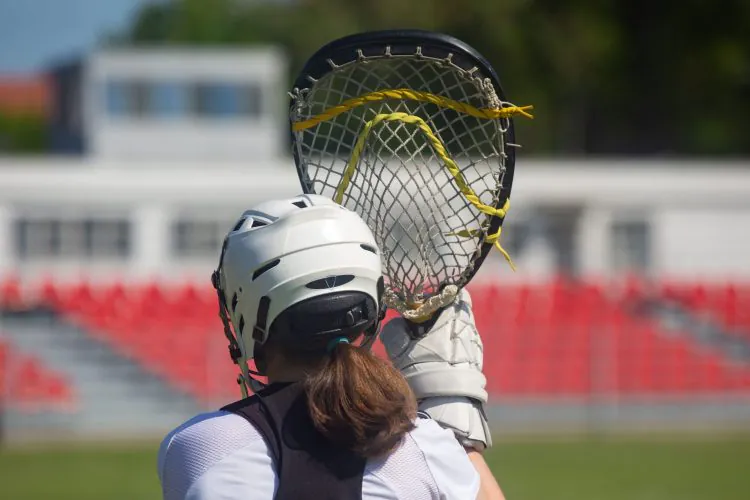
Recovering from a concussion is not always a linear process, and symptoms can fluctuate from day to day. Learning how to manage these changes is an important part of recovery. Pacing activities, both physical and cognitive, can help minimize symptom flare-ups. This often involves balancing periods of activity with rest, gradually increasing tolerance over time, and avoiding sudden spikes in exertion. Simple strategies like reducing screen time, limiting exposure to bright lights or loud environments, and maintaining consistent sleep routines can also support recovery.
For symptom relief, PTs may incorporate targeted exercises, manual therapy, and guided aerobic activity to help regulate the nervous system and reduce pain. Patients are also educated on how to recognize early signs of overexertion and adjust accordingly, giving them greater control over their recovery process.
It’s equally important to acknowledge the mental and emotional impact of a concussion. Changes in mood, increased anxiety, or frustration with slower progress are common and valid experiences. Accessing support, whether through healthcare providers, counseling, or a strong personal support system, can make a meaningful difference. A comprehensive approach that addresses both physical and emotional health helps patients return not only to activity, but to a sense of normalcy and confidence in their daily lives.
At Confluent Health, concussion management is built around a whole-person, movement-focused approach. Rather than treating symptoms in isolation, care is designed to address how the injury impacts the entire body, physically, neurologically, and even emotionally. This means looking beyond just headaches or dizziness and evaluating contributing factors like neck mobility, balance, vision, and coordination. The goal is not only to reduce symptoms, but to restore function and help patients return to their daily activities, work, or sport with confidence.⁴
A key part of this approach is individualized care. Every concussion presents differently, so treatment plans are tailored to each patient’s specific symptoms, goals, and stage of recovery. PTs use a combination of targeted exercise, hands-on techniques, and patient education to guide recovery in a safe, progressive way. This aligns with Confluent Health’s broader philosophy of improving movement, reducing pain, and enhancing overall quality of life through evidence-based care.
One of the distinguishing features of Confluent Health’s approach is its emphasis on active recovery. Rather than prolonged rest, patients are guided through graded exposure to activity, carefully reintroducing movement, exercise, and cognitive tasks without worsening symptoms. This may include vestibular rehabilitation for dizziness, oculomotor training for visual disturbances, cervical spine treatment for associated neck pain, and progressive return-to-activity programs. This comprehensive, systems-based methodology ensures that all contributing factors are addressed, not just the initial injury.⁴
Care is also highly collaborative. PTs often work alongside physicians, athletic trainers, and other healthcare providers to ensure a coordinated recovery plan. For athletes or active individuals, this includes structured return-to-play protocols, while others may focus on returning to work or daily routines. Throughout the process, patients are educated and empowered with the tools they need to manage symptoms and continue progressing outside of the clinic.⁴
While individual experiences vary, the overarching goal remains the same: helping patients move beyond symptoms and regain a sense of normalcy. Through personalized care, ongoing support, and a focus on long-term recovery, Confluent Health aims to ensure patients are not just recovering, but truly getting back to living well.
The “5 concussion rule” is not a formal medical guideline, but an informal concept sometimes used in sports to suggest that after multiple concussions, often cited as five, an athlete should consider retiring from contact play. In reality, there is no specific number that determines when someone should stop; decisions are individualized based on factors like symptom severity, recovery time, and risk of future injury. Current best practice emphasizes evaluation by qualified healthcare professionals to guide safe return-to-play or activity decisions.
In many cases, PT can begin within the first few days after a concussion, once serious medical conditions have been ruled out. Early, guided intervention, rather than prolonged rest, has been shown to help reduce symptoms and support a faster, safer return to activity. A PT will determine the appropriate timing based on your symptoms, medical history, and stage of recovery.