
Physical therapy for athletic injuries focuses on evaluating, treating, and preventing injuries that occur during sports, exercise, and recreational activity. It combines movement science, strength training principles, and rehabilitation strategies to help individuals return to activity safely and efficiently.
This applies to competitive athletes, weekend warriors, and general fitness enthusiasts alike. The primary goals are to reduce pain, restore mobility and strength, correct movement limitations, and decrease the risk of reinjury. Physical therapy is not just about symptom relief, its’s about restoring full function and performance.
Sports and recreational activities account for millions of injuries each year in the United States. Emergency department data consistently estimates roughly 3 to 4 million sports related injuries annually. Youth athletes alone account for more than 2.5 million injuries per year.
Some of the most common athletic injuries include:
Knee and ankle injuries remain among the most frequently reported, particularly in field and court sports. Overuse injuries are highly prevalent in runners, overhead athletes, and individuals who rapidly increase training intensity or volume.
Structured rehabilitation has been shown to reduce reinjury risk and improve return to sport outcomes. Progressive strengthening, neuromuscular training, and movement retraining help restore joint stability and improve overall performance capacity.
Rather than simply treating pain, physical therapy identifies the underlying deficits that contributed to the injury in the first place. Addressing strength asymmetries, mobility limitations, balance deficits, and faulty movement patterns plays a major role in long term recovery.
Athletic injuries generally fall into two broad categories: acute injuries and overuse injuries. Understanding the difference helps guide both treatment and expectations for recovery.
Acute injuries occur suddenly, often as the result of a specific event such as a fall, collision, twist, or awkward landing. These injuries are typically associated with immediate pain and sometimes swelling or bruising.
Examples of acute injuries include:
These injuries often require prompt evaluation and sometimes imaging, depending on severity. Early physical therapy intervention can help control swelling, restore motion, and begin the process of rebuilding strength.
Overuse injuries develop gradually over time due to repetitive stress without adequate recovery. They are common in athletes who perform the same movement patterns repeatedly, especially when training load increases too quickly.
Examples of overuse injuries include:
Unlike acute injuries, overuse conditions may start as mild discomfort and progressively worsen if ignored. Addressing load management, movement mechanics, and strength deficits is essential in treating these injuries effectively.
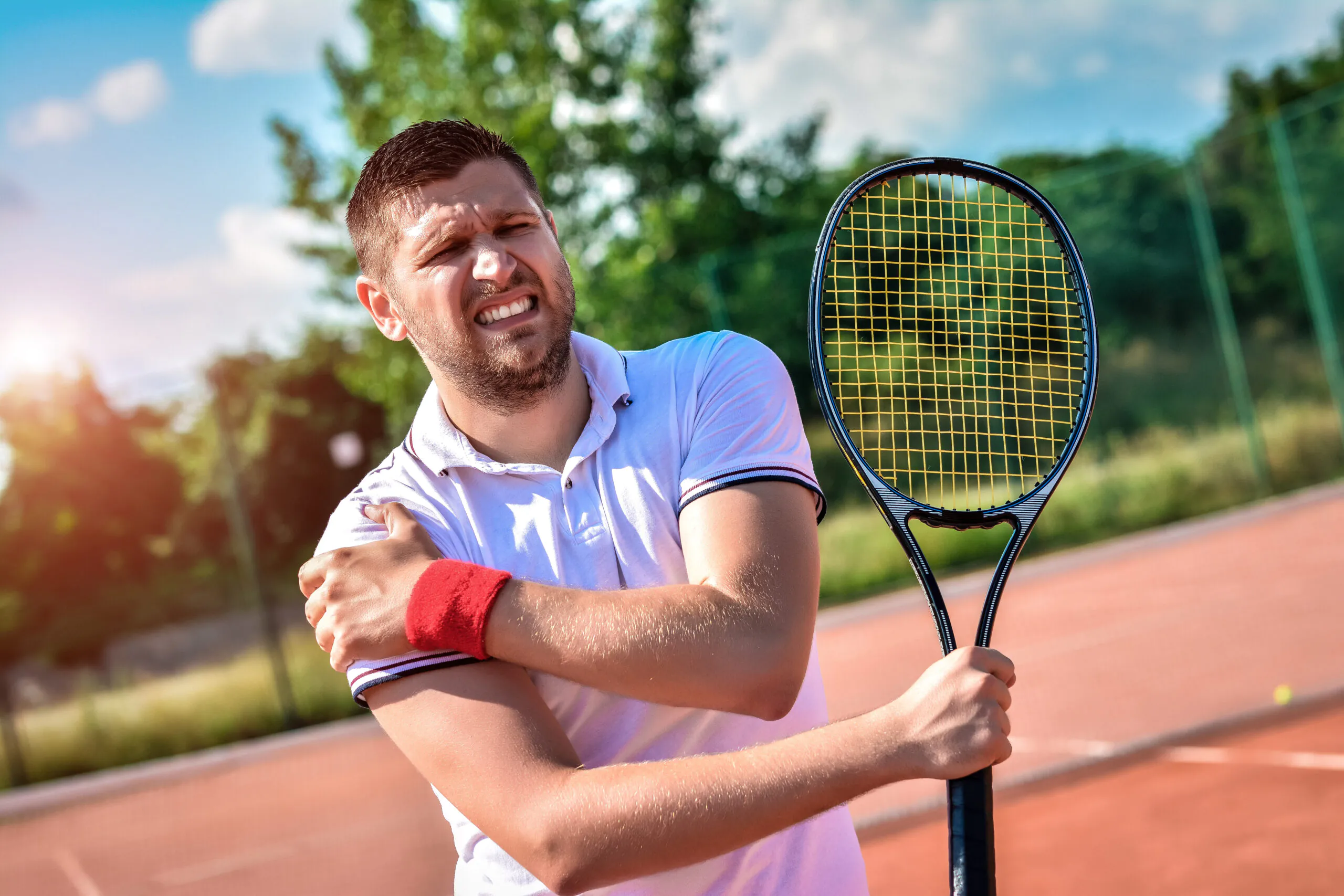
Symptoms vary depending on the type and severity of the injury, but there are several common patterns.
Common symptoms include:
Acute injuries often present with sudden pain, noticeable swelling, and sometimes bruising shortly after the event. Overuse injuries, on the other hand, typically develop gradually. Pain may start only during activity and later progress to discomfort at rest if not addressed.
Recognizing these symptoms early can prevent minor issues from becoming more significant setbacks.
You should consider seeing a physical therapist if you experience:
Early evaluation often leads to faster recovery and fewer long term complications. Waiting until symptoms are severe can prolong the rehabilitation process.
A physical therapy evaluation typically includes:
Special tests are used to help rule in or rule out certain diagnoses such as ligament tears or sprains. Many of these clinical tests demonstrate strong validity and reliability and are often the first step before imaging is considered. Imaging such as MRI or X ray may be recommended if the presentation suggests a more serious structural injury.
The goal of the evaluation is to identify not just the injured tissue, but also the contributing factors that led to the problem.
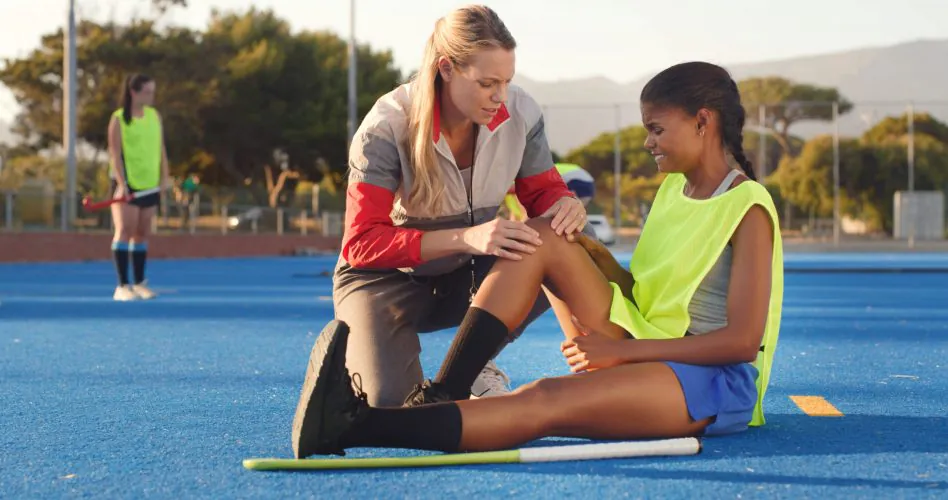
Dealing with pain from a sports injury can be frustrating, especially for individuals who rely on physical activity for stress relief, social interaction, or competition.
Coping strategies may include:
A personalized treatment plan is critical. What works for one athlete may not be appropriate for another. Factors such as age, training history, goals, and sport specific demands must be considered.
Seeking professional guidance helps ensure that recovery is progressive and evidence based rather than reactive. Long term health and performance depend on addressing the root cause of pain, not just temporarily reducing symptoms.
Physical therapy can effectively address sports injuries by restoring mobility, rebuilding strength, and retraining movement patterns. Treatment begins with a comprehensive assessment that evaluates joint mobility, muscular strength, neuromuscular control, and sport specific demands.
At Confluent Health clinics, the approach emphasizes individualized care and progressive rehabilitation. Treatment plans are designed around the specific goals and performance needs of each patient.
Common techniques and interventions may include:
The goals of physical therapy sessions typically include reducing pain, restoring full range of motion, rebuilding strength, improving coordination, and preparing the athlete for a safe return to activity.
A personalized plan remains the foundation of successful rehabilitation. Cookie cutter programs rarely address the nuances of athletic injury recovery. Taking proactive steps toward treatment improves outcomes and reduces the risk of future setbacks.

Recovery timelines vary depending on the injury, severity, and individual factors. Minor sprains may improve within weeks, while ligament tears or fractures can require several months of structured rehabilitation.
In many states, direct access laws allow patients to see a physical therapist without a physician referral. It is best to check local regulations or contact a clinic directly for guidance.
Not necessarily. In many cases, modifying activity is more beneficial than complete rest. A physical therapist can guide appropriate adjustments while maintaining overall fitness.
No. Many athletic injuries can be effectively evaluated and treated based on a thorough clinical examination. Imaging is typically reserved for cases where more serious structural damage is suspected.