At Confluent Health, we believe in the power of meaningful work that impacts lives. As a nationwide network of musculoskeletal (MSK) health companies, we are transforming healthcare by strengthening private practices, developing and educating highly effective clinicians, and lowering healthcare costs through workplace wellness and injury prevention.
The framework sets out our current understanding of the strength and resilience of our strategy and business model under different climate scenarios.
Taking an all-hazards approach towards resilience planning, design and operations, and clinical care, helps us to continue operations during and after climate-related disasters and extreme weather events, which are critical to both community health and financial sustainability.
We conducted a qualitative assessment of physical and transitional climate risks and opportunities aligned with the TCFD framework. This assessment utilized data from severe weather events that occurred in January and February 2025 across the United States which impacted 40 of our out-patient clinic locations.
Governance
Governance of our public actions and commitments to act on climate change sits at the highest level of our company. Our governance of environmental and climate change is evolving in recognition of its growing significance in society and our increasing understanding of its impact on our business. The results and learnings of this ongoing work are regularly discussed amongst the Executive Leadership Team and Board of Directors.
Our efforts are supported by three committees comprised of company leadership that anticipate, assess, and inform our approaches around climate change and climate-related disasters:
Compliance Committee
Environmental, Social, Governance Committee
Enterprise Risk Management Committee
Confluent Health’s Enterprise Risk Management framework is designed to identify, assess, and mitigate risks to minimize their potential impact.
The process of climate scenario analysis is rapidly evolving, and it is iterative. We expect the approaches, tools, and data quality to mature over time, which will continue to contribute to our understanding of climate risks and opportunities. As we continue to accelerate the transformation of our value chain, these assessments will be integrated into our strategic planning and enterprise risk management frameworks to further strengthen our resilience, mitigation, and adaptation to climate change.
Strategy
In 2025, our company performed a TCFD-aligned qualitative physical climate risk and climate change transition risk and opportunity scenario assessment.
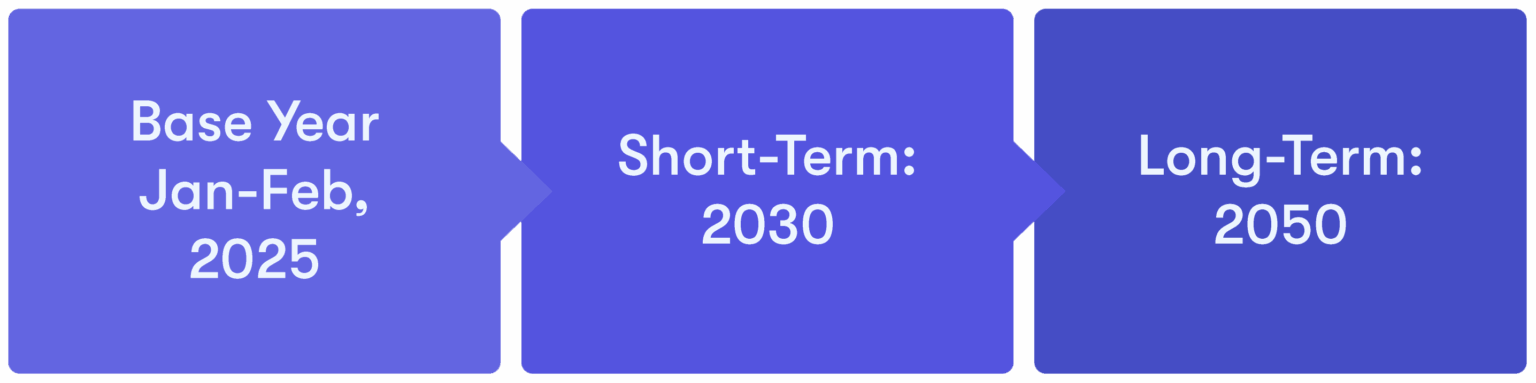
Recent climate-related impacts from severe weather events which impacted 40 of our out-patient clinic locations were used to produce a qualitative assessment covering the following timeframes:
The findings of the TCFD scenario assessment were shared with the broader enterprise to embed mitigation and adaptation practices into our capital planning process and on-going operations.
Risk Management
Our family of outpatient rehabilitative brands provide patient care services at locations predominantly leased from third-party landlords. In our industrial injury prevention segment, those services are performed at employer locations or at other third-party locations. As a result, neither we nor our family of brands have centralized management of electric, gas or water utility use in these clinics or in other third-party locations. As a healthcare services company which leases virtually all its premises, our business is not significantly or uniquely exposed to the impacts of climate-related risks. Although the physical locations from which we operate are leased from third parties, we are committed to exploring practical opportunities with the managers of our leased spaces to engage in energy and waste management strategies that will positively impact on our environment.
In addition, all our outpatient therapy clinics comply with the CMS Emergency Preparedness Rule. The Emergency Preparedness Rule requires our clinics to develop and maintain a comprehensive emergency preparedness program that contains the following:
Emergency Plan
Emergency Preparedness Policies and Procedures
Communications Plan
Emergency Preparedness Training and Testing Program
Additionally, a portion of our clinics are Certified Rehabilitation Agencies (“rehab clinics”) which as part of their Conditions of Participation, our rehab clinics fully comply with the Emergency Preparedness Rule.
The Emergency Preparedness program is based on the most prevalent disaster for each geographic area and focuses on capacities and capabilities that are critical to prepare for full spectrum of emergencies or disasters. This information was gathered from the Common Natural Disasters published by the American Red Cross.
Metrics & Targets
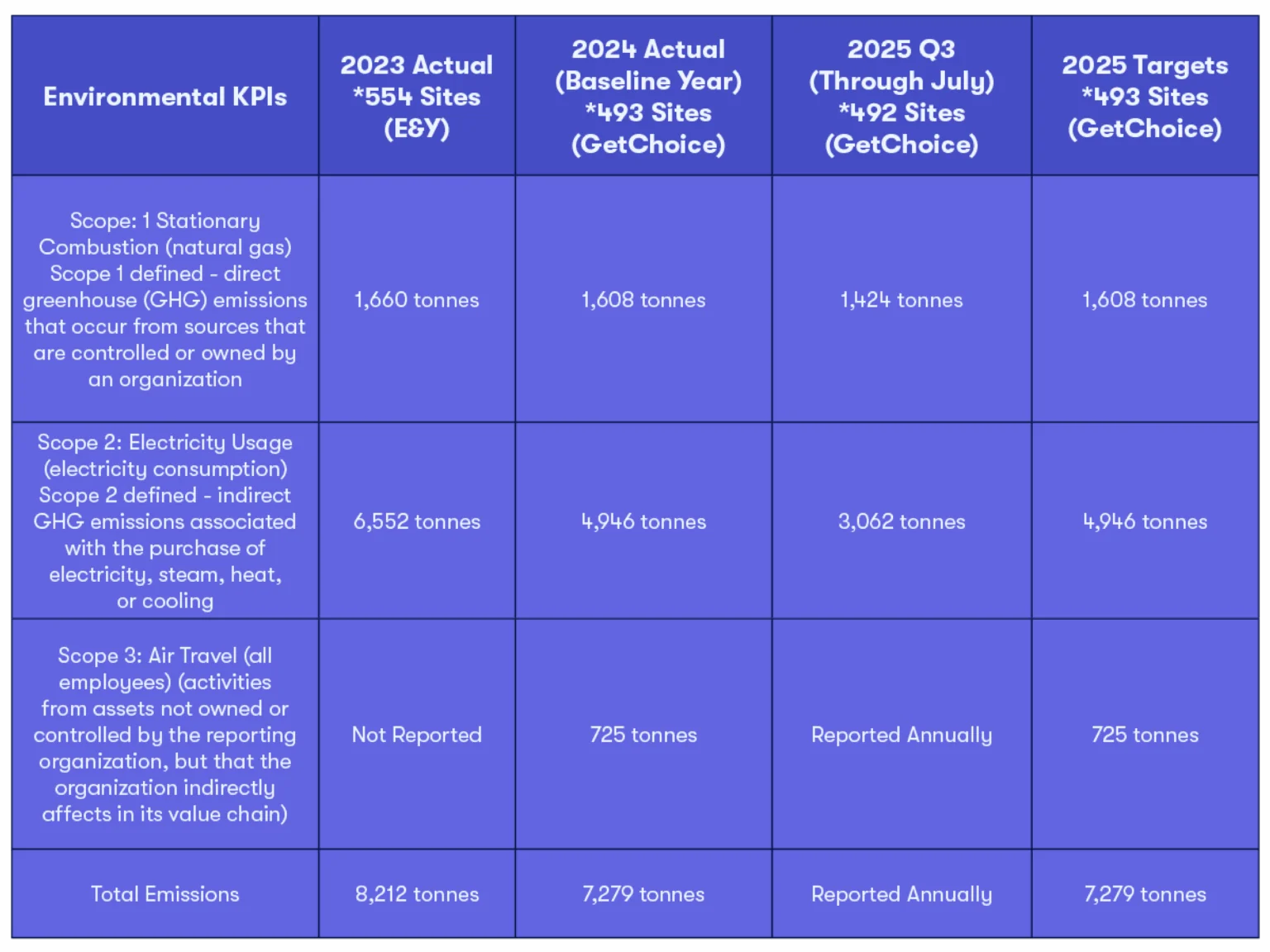
Confluent Health conducts an annual evaluation to
determine short-term and long-term environmental targets.
Scenario Analysis & Financial Impacts
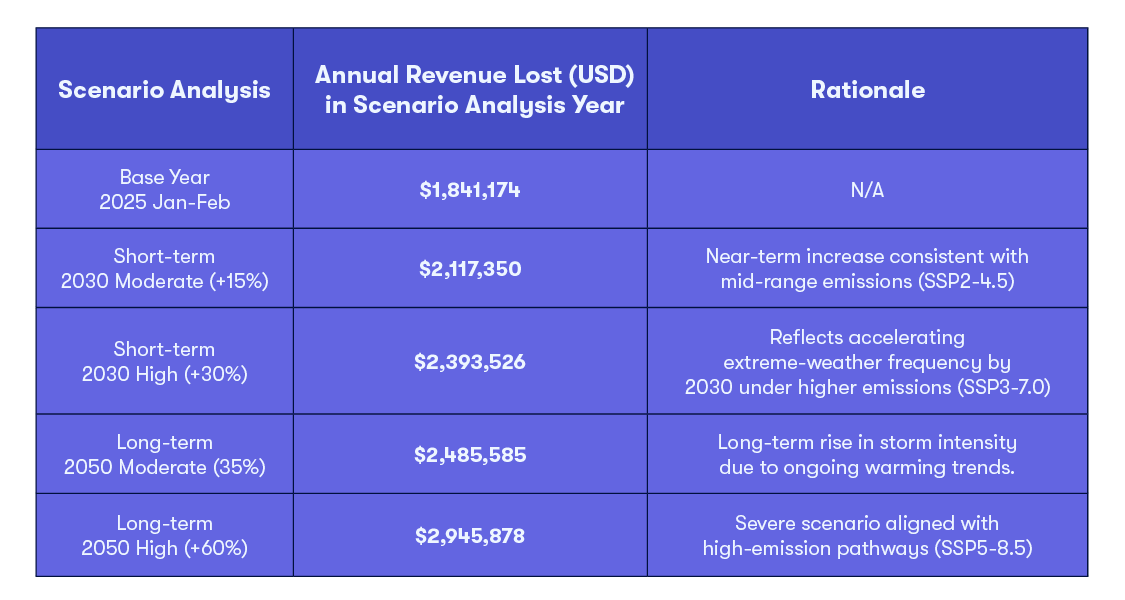
Jan. 2025: Severe winter storms prevented 10,981 patient visits, resulting in $1,094,456 in lost revenue.
Feb. 2025: Additional storms caused 7,384 missed visits, totaling $746,718 in lost revenue.
Climate scenarios for 2030 and 2050 were developed using scaling factors of +15% to +60% relative to 2025 baseline losses, consistent with IPCC-referenced pathways (SSP2-4.5 and SSP5-8.5). These factors approximate plausible increases in severe winter-storm intensity and frequency affecting clinic operations. They are intended for stress-testing the financial resilience of outpatient facilities and informing adaptation investments.
These are illustrative, planning-grade sensitivity ranges, not predictive forecasts. They are based on IPCC and U.S. National Climate Assessment findings for northern and central U.S. regions.
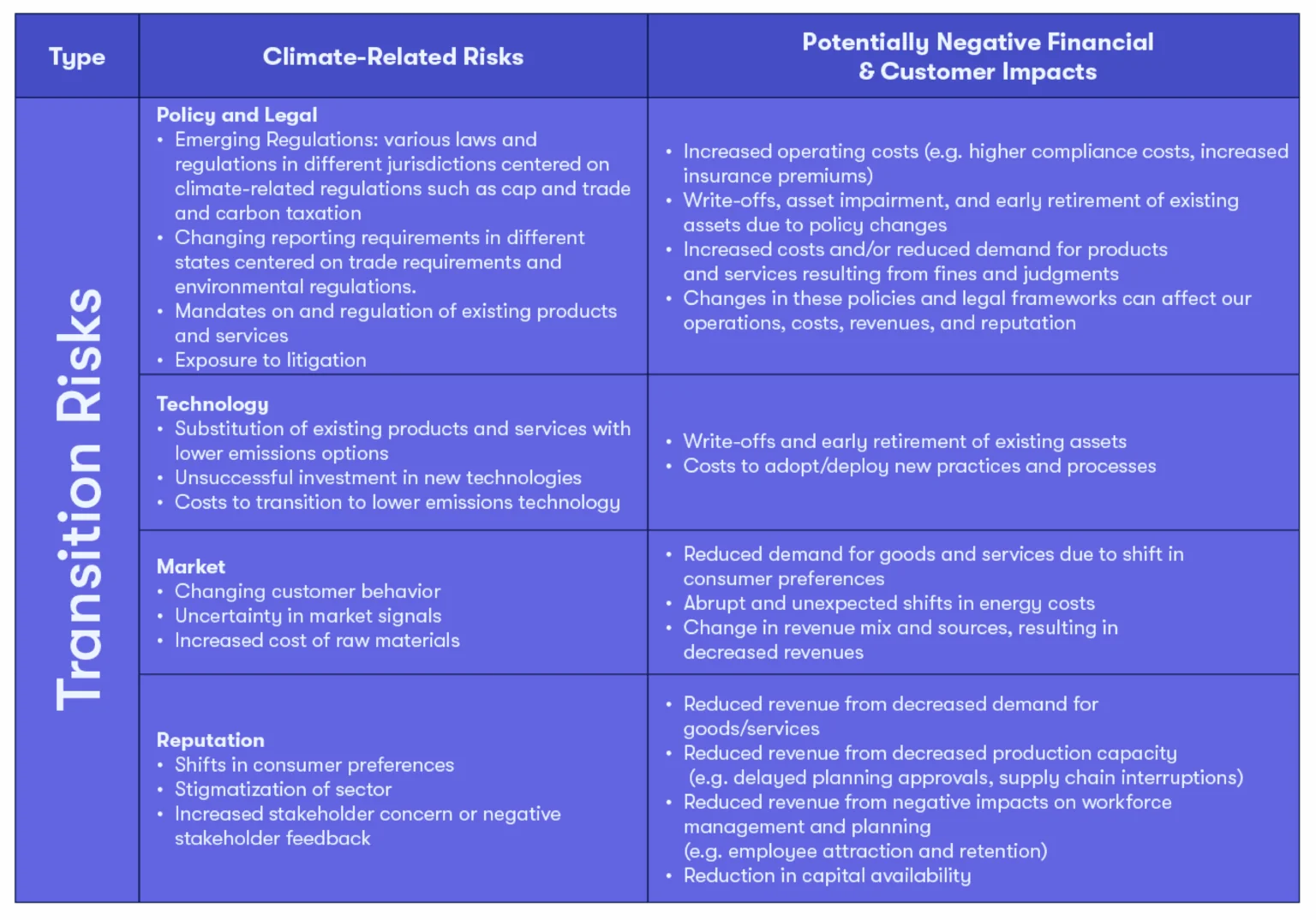
Climate-related risks refer to those potential negative impacts resulting from climate change. Physical risks emanating from climate change can be event-driven (acute) such as increased severity of extreme weather events (e.g., tornadoes, hurricanes, droughts, floods, and fires). They can also relate to longer-term shifts (chronic) in precipitation and temperature and increased variability in weather patterns (e.g., sea level rise). Climate-related risks can also be associated with the transition to a lower-carbon global economy, the most common of which relates to policy and legal actions, technology changes, market responses, and reputational considerations.
Climate-Related Opportunities
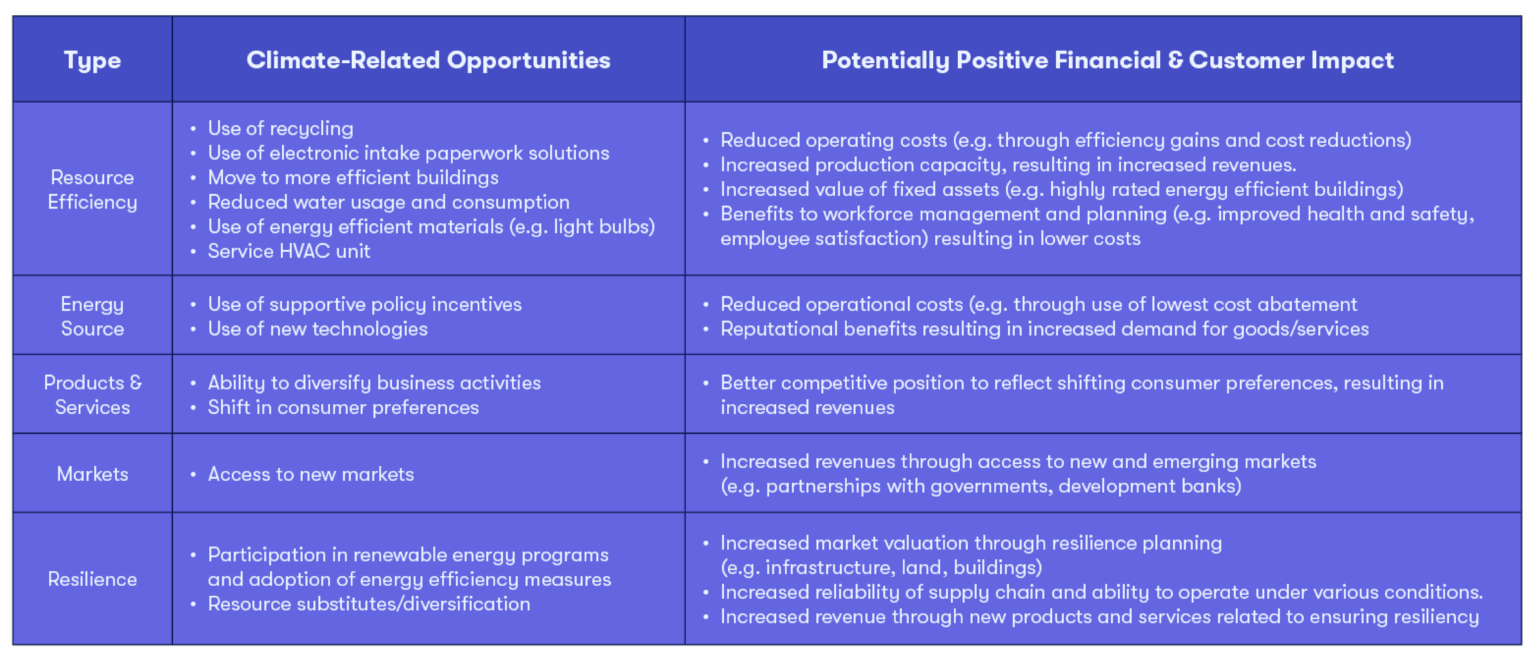
Climate-related opportunities refer to those activities that may bring about potential positive effects as our organization takes steps toward mitigating the effects of climate change. Efforts to mitigate and adapt to climate change can produce opportunities for undertakings, such as through resource efficiency and cost savings, the adoption and utilization of low-emissions energy sources, the development of new products and services, and building resilience along the supply chain. Climate-related opportunities will vary depending on the region, market, and industry.