
Lower back pain is one of the most common musculoskeletal conditions, affecting daily movement, work performance, and overall quality of life. This webpage provides a comprehensive guide to the role of physical therapy (PT) in the treatment and recovery of lower back pain, highlighting how targeted, evidence-based interventions can reduce pain, restore mobility, and improve function.
Designed for individuals experiencing lower back pain, patients seeking conservative treatment options, and referring healthcare professionals, this resource outlines how PT services as a frontline approach to care. From personalized exercise programs and movement retraining to education and long-term prevention strategies, PT empowers patients to take an active role in managing symptoms and achieving lasting relief.
Lower back pain refers to discomfort, tension, or stiffness localized to the lumbar region of the spine, typically between the lower ribs and the buttocks. It may be acute (lasting less than 6 weeks), subacute, or chronic (persisting longer than 12 weeks), and can range from mild, intermittent discomfort to severe, function-limiting pain.1
Lower back pain is extremely common. The World Health Organization reports that low back pain is the leading cause of disability worldwide, affecting hundreds of millions of people at any given time.2 In the United States, up to 80% of adults experience low back pain at some point in their lives, with higher prevalence among adults aged 30-60 and those with sedentary occupations or physically demanding jobs.1 Women tend to report slightly higher rates of chronic low back pain compared to men, particularly in middle-aged and older populations.3
The impact of lower back pain extends beyond physical discomfort. It can interfere with work, sleep, exercise, and routine daily activities such as bending, lifting, or prolonged sitting. Chronic low back pain is also associated with reduced quality of life, decreased productivity, and increased healthcare utilization.2 Understanding its causes, prevalence, and functional impact is essential in identifying effective treatment stratgies–such as PT–that address both symptom relief and long-term recovery.
Lower back pain can arise from a wide variety of sources, and understanding these causes helps guide effective treatment–including PT. One of the most common categories is muscle and ligament injuries, such as muscle strains or ligament sprains from overexertion, repetitive bending and lifting, or sudden awkward movements, which can disrupt normal movement patterns and lead to acute pain.4
Structural spinal issues such as herniated discs and spinal stenosis are also frequently implicated in back pain. A herniated disc occurs when the soft inner material of a spinal disc pushes through a tear in its outer layer, which in some cases irritates surrounding nerves and contributes to pain or neurological symptoms such as tingling or weakness.5 However, disc bulges and herniations are common even among people without pain, and imaging findings alone do not always correlate with symptom severity; this highlights the importance of clinical evaluation rather than relying solely on MRI results. Spinal stenosis, or narrowing of the spinal canal, can compress nerve roots and contribute to pain, numbness, or weakness, particularly in older adults.
In addition to specific injuries and structural conditions, risk factors such as age, repetitive physical activity or occupation strain (like frequent bending and lifting), prolonged standing or sitting, and weakened core musculature can increase susceptibility to lower back pain.6 Other underlying conditions–includong osteoarthritis, degenerative disc disease, and inflammatory spinal disorders–may also contribute to pain by altering joint mechanics and tissue health.
Since structural findings, such as disc bulges and herniations are common even in people without symptoms and don’t always correlate with pain, studies have shown that imaging results aren’t reliable predictors of who will experience discomfort. This is why PTs emphasize a comprehensive clinical examination–including movement assessment and symptom behavior–to determine the true source of pain and tailor treatment accordingly.
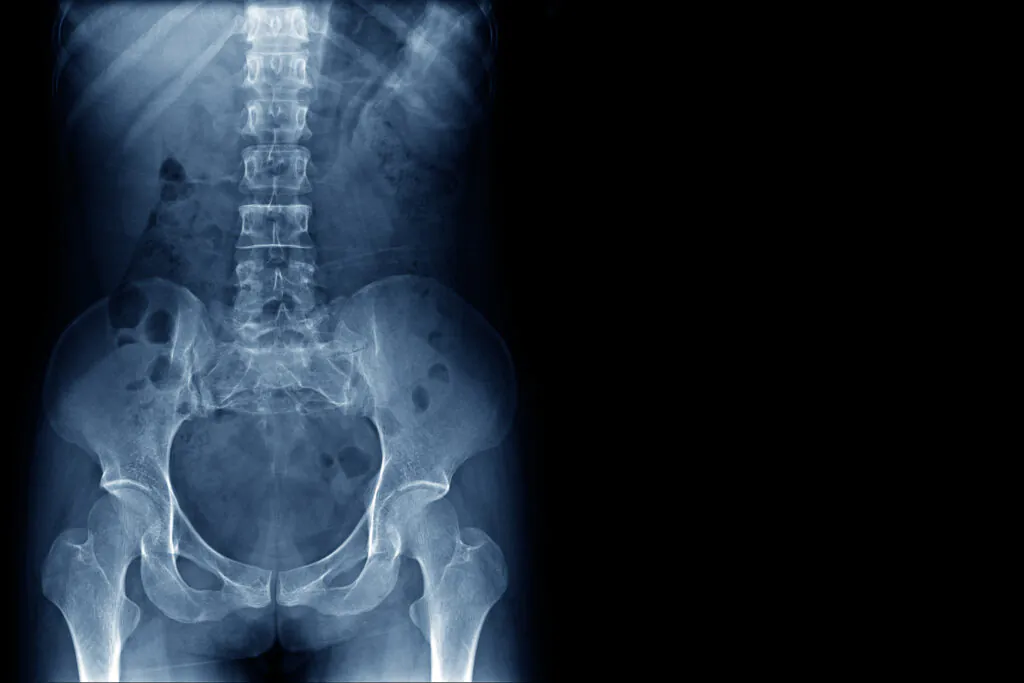
Lower back pain can vary widely in presentation, depending on the cause, severity, and individual factors. Symptoms may be localized to the lower back or extend into surrounding areas.
While most lower Back pain is mechanical and responsive to conservative care, certain symptoms require immediate medical attention:
PTs are trained to screen for these red flags during evaluation and throughout treatment. If concerning signs are identified, PTs will appropriately refer patients to a physician or specialist to ensure safe and timely care.
When it comes to lower back pain, starting with a PT rather than a primary care doctor is often more effective and cost-efficient for most patients. Research shows that initiating care with a PT early in the course of acute low back pain is associated with less advanced imaging, fewer specialty visits, and lower overall health-care utilization, including fewer emergency department visits and lower out-of-pocket costs, compared with usual care pathways that begin with a physician visit alone.7 PTs are trained to screen for “red flag” conditions (such as significant neurologic deficits, cauda equina syndrome, infection, or malignancy) that warrant immediate medical attention, and will refer you to a physician when such issues are suspected or if conservative care isn’t producing expected improvements.
Regarding diagnostic tests and imaging, clinical practice guidelines from major organizations strongly recommend against routine use of X-rays, MRIs, or CT scans in the first several weeks of nonspecific lower back pain because early imaging does not improve outcomes and may lead to unnecessary procedures on incidental findings.8 Instead, these tests are reserved for cases with red flags or when symptoms persist despite conservative management, or when surgical or invasive procedures are being considered.
PTs evaluate lower back pain through a comprehensive history and physical examination, including inspection and palpation of the back, assessment of range of motion (ROM) and muscle strength, provocation tests (such as straight-leg raising to assess nerve involvement), and a focused neurologic exam to check reflexes, sensation, and strength in the lower extremities This thorough clinical assessment helps PTs identify mechanical or movement-related contributors to pain and dysfunction, tailor individualized treatment plans, and determine whether further medical evaluation or imaging may be necessary.

Surgery is reserved for patients who have persistent pain functional limitations, or structural issues that do not respond to conservative care. Surgery is often indicated when an individual demonstrates progressive neurological deficits, severe nerve compression, spinal instability or red flag conditions.
Surgical interventions can relieve nerve compression or stabilize the spine, but they carry risks and are recommended only after conservative measures fail.

Preventing lower back pain is often easier than treating it after it starts. Key strategies focus on maintaining strength, flexibility, and healthy habits that support the spine. Regular physical activity, including core strengthening and stretching exercises, helps stabilize the muscles that protect your back and reduce the risk of strain. Paying attention to posture–whetehr sitting at a desk, lifting objects, or standing for long periods–can also prevent unnecessary stress on the spine. Maintaining a healthy weight reduces pressure on the lower back, and ergonomic adjustments at work or home can further lower your risk of injury.
Lifestyle choices such as quitting smoking, managing stress, and getting sufficient sleep also play a role, as these factors influence muscle health, inflammation, and pain perception. Finally, listening to your body and addressing minor aches early through movement, gentle stretching, or a consultation with a PT can prevent minor issues from becoming chronic problems. By incorporating these preventative measures into your daily routine, you can reduce the likelihood of recurring lower back pain and support long-term spinal health.
Chronic lower back pain can greatly affect daily life, but there are strategies to help you cope and maintain function. Coping strategies include pacing activities, using proper body mechanics, and incorporating gentle stretching or low-impact exercise to maintain mobility. During flare-ups, short-term pain relief techniques such as heat or cold therapy, over the counter pain relievers, and targeted moment, or stretching can help reduce discomfort. It’s also important to address the emotional and mental health aspects of chronic pain–stress, anxiety, and depression can worsen pain perception. Support from mental health professionals, mindfulness practices, and connection with support groups can improve coping and overall quality of life.
At Confluent Health, we take a personalized, evidence-based approach to treating lower back pain, focusing on each patient’s unique needs and goals. Our PT programs combine targeted exercises, manual therapy, and movement retraining to improve strength, flexibility, posture, and overall spinal function. Techniques may include back and core strengthening exercises, stretching routines, mobility drills, postural education, and hands-on modalities to relieve pain and restore function. The goal of each session is not only to reduce pain but also to empower patients with the skills and strategies needed to prevent future flare-ups, improve daily function, and return to the activities they enjoy.
Patients often experience measurable improvements in pain, mobility, and quality of life through consistent participation in our programs. Many report returning to work, sports, or hobbies they previously avoided due to discomfort, highlighting the positive impact of structured PT. Our approach is highly collaborative, with therapists working closely with patients to monitor progress, adjust treatment plans, and ensure that care aligns with each individual’s lifestyle goals.
By seeking professional guidance from Confluent Health, patients gain access to a supportive team dedicated to helping them overcome back pain safely and effectively. Whether you’re experiencing a new episode of lower back pain or managing a chronic condition, PT offers a pathway to relief, improved function, and long-term spinal health. Start your journey today and experience the benefits of expert care designed to help you move better and live pain-free.
With direct access, you can immediately see a physical therapist without a physician referral.
Yes, physical therapy can be highly effective in treating back pain through education, exercise, and hands-on techniques to relieve pain.
While back pain can become chronic, it does not have to become permanent. Your physical therapist will design a plan to get you out of pain.
Low back pain often fluctuates because it is influenced by activity, posture, muscle tension, and inflammation. Certain movements or prolonged positions can irritate the muscles, joints, or nerves, causing pain to flare up temporarily.
Most acute low back pain improves within a few days to a few weeks with self-care and activity modification. Chronic or recurrent pain may persist for months, but targeted treatment like PT can significantly reduce symptoms and improve function.