
Headaches and migraines can interfere with work, family life, exercise, and even the simplest daily activities. While many people rely on medications to manage their symptoms, some persistent or recurring headaches have musculoskeletal contributors that may respond to physical therapy (PT). As a frontline provider for many headache-related conditions, a physical therapist can evaluate movement, posture, muscle tension, and joint mobility to identify factors contributing to pain and develop an individualized treatment plan. Early intervention with PT may reduce headache frequency and intensity, improve function, and decrease reliance on medication. If symptoms persist or suggest a condition requiring additional medical evaluation, your physical therapist can coordinate referrals to the appropriate healthcare provider, with more invasive treatments reserved only after conservative options have been thoroughly explored.
Headaches are among the most common neurological conditions worldwide and can range from occasional discomfort to chronic pain that interferes with work, exercise, sleep, and daily activities. Primary headaches include migraines and tension-type headaches, while secondary headaches develop as a symptom of another underlying condition. Identifying the type of headache is an important first step in determining the most appropriate treatment.1
Migraine is a complex neurological disorder, not simply a severe headache, and affects approximately 15% of the global population.2 Chronic headaches, defined as headaches occurring on 15 or more days each month for at least three months, can significantly reduce quality of life and are a leading cause of disability worldwide.1
PT is often an excellent first-line treatment for headaches that have a musculoskeletal component, such as cervicogenic headaches or headaches associated with neck pain, muscle tension, or prolonged postures.2 Through a comprehensive evaluation, a physical therapist can identify movement impairments that may be contributing to symptoms and develop an individualized treatment plan. However, it is important to recognize that not all migraines are related to musculoskeletal dysfunction. Because migraines are a neurological condition, some individuals will benefit from medical management in addition to PT. Physical therapists (PTs) are trained to recognize when referral to a physician or neurologist is appropriate.

Headaches and migraines often develop from multiple contributing factors rather than a single cause. Common triggers include stress and anxiety, dehydration, repetitive or prolonged postures, prolonged screen time, inadequate sleep, skipped meals, and muscle tension.2 For some individuals, prolonged sitting or repetitive neck positions can place increased strain on the cervical spine and surrounding muscles, contributing to certain types of headaches.
Several factors increase the risk of developing chronic headaches, including medication overuse, obesity, physical inactivity, poor sleep habits, and chronic stress. Underlying conditions such as neck pain, temporomandibular joint (TMJ) dysfunction, fibromyalgia, and other chronic pain disorders have also been associated with more frequent headaches and migraines. Individuals with obesity are at greater risk for migraine progression from episodic to chronic migraine.3
Because headaches can have many different causes, effective treatment begins with identifying the underlying contributors. PTs evaluate posture, joint mobility, muscle function, and movement patterns to determine whether musculoskeletal impairments are playing a role while recognizing when additional medical evaluation is needed.
Symptoms vary depending on the type of headache. Chronic headaches generally occur 15 or more days per month for at least three months, although the pattern and severity of symptoms differ between headache disorders.4
Chronic migraines typically cause moderate to severe throbbing or pulsating pain, often on one side of the head, and may last from several hours to several days. Many individuals also experience nausea, vomiting, and increased sensitivity to light, sound, or smells. Some people develop an aura, including temporary visual or sensory disturbances, before the headache begins.1
Chronic tension-type headaches usually produce mild to moderate pain that feels like constant pressure or a tight band around both sides of the head. Neck stiffness and muscle tightness commonly accompany these headaches and may worsen after prolonged sitting or stressful situations.2
Although most headaches are not emergencies, immediate medical evaluation is recommended if a headache develops suddenly with explosive intensity, is accompanied by weakness, numbness, confusions, difficulty speaking, vision changes, fever, or a stiff neck. These symptoms may indicate a more serious medical condition, warranting prompt treatment.5
Recurring headaches should not be considered a normal part of daily life. If your headaches are becoming more frequent, lasting longer, or interfering with work, exercise, sleep, or other daily activities, it is appropriate to schedule an evaluation with a physical therapist. Due to direct access, patients are able to see a physical therapist without physician referral. A physical therapist can determine whether your symptoms appear to have a musculoskeletal component or whether additional medical evaluation is warranted. If your symptoms persist despite conservative care, worsen over time, or include neurological red flags, your physical therapist will refer you to a physician or neurologist for further evaluation.1
During the initial evaluation, your physical therapist will take a detailed history of your headaches, including symptom frequency, duration, location, intensity, aggravating factors, and associated symptoms. They will also assess posture, cervical spine mobility, muscle strength, flexibility, joint mobility, and movement patterns to determine whether impairments in the neck or upper back may be contributing to your headaches. Research has shown that individuals with cervicogenic headaches and many tension-type headaches often demonstrate measurable musculoskeletal impairments that can be addressed with targeted PT interventions.2
Because migraines are neurological in origin, the PT evaluation also helps identify when symptoms are unlikely to be driven by musculoskeletal dysfunction alone. This collaborative approach ensures patients receive the right treatment at the right time, whether that involves PT, medication management, or referral to another healthcare provider.
Not every headache responds to PT in the same way. PT is most effective for the treatment of cervicogenic headaches, which originate from structure in the neck, and for many tension-type headaches associated with muscle tightness, postural dysfunction, or impaired cervical mobility. Individuals with migraines may also benefit from PT when neck pain, muscle tension, or movement impairments contribute to or worsen their symptoms. However, because migraines are a neurological disorder, treatment often requires a combination of PT and medical management.2
Treatment is individualized based on the findings of the evaluation but commonly includes manual therapy to improve joint mobility, stretching of tight muscles, strengthening exercises for the deep neck flexors and postural muscles, ergonomic education, and movement restraining. PTs also provide education on activity modification and self-management strategies to help reduce symptom recurrence. Current evidence supports combining manual therapy with exercise for improving pain and function in patients with cervicogenic headaches and some tension-type headaches.2
For individuals with chronic migraine, long-term management often extends beyond PT alone. A neurologist or specialized headache clinic may recommend preventative medications, acute migraine treatments, or other therapies depending on symptom severity and frequency. Developing a comprehensive treatment plan helps reduce the risk of medication-overuse headaches, a common compilation associated with frequent use of relieving medications.3
While not every headache can be prevented, many people can reduce the frequency and severity of symptoms by identifying personal triggers and adopting healthy lifestyle habits. Keeping a headache diary can help identify patterns related to stress, certain foods, dehydration, hormonal changes, sleep disturbances, or prolonged screen time. Allowing individuals to better manage potential triggers.1
Maintaining a consistent sleep schedule, staying well hydrated, eating regular meals, and participating in routine physical activity have all been associated with improved headache management. For individuals whose headaches are influenced by posture or neck dysfunction, regular stretching, strengthening exercise, and ergonomic modifications can further reduce strain on the cervical spine and surrounding muscles.
PTs play an important role in prevention by teaching proper posture, improving movement mechanics, addressing muscle imbalances, and developing individualized home exercise programs. Combined with healthy lifestyle habits and appropriate medical management when indicated, these strategies can help many individuals experience fewer headaches, improved function, and a better quality of life.
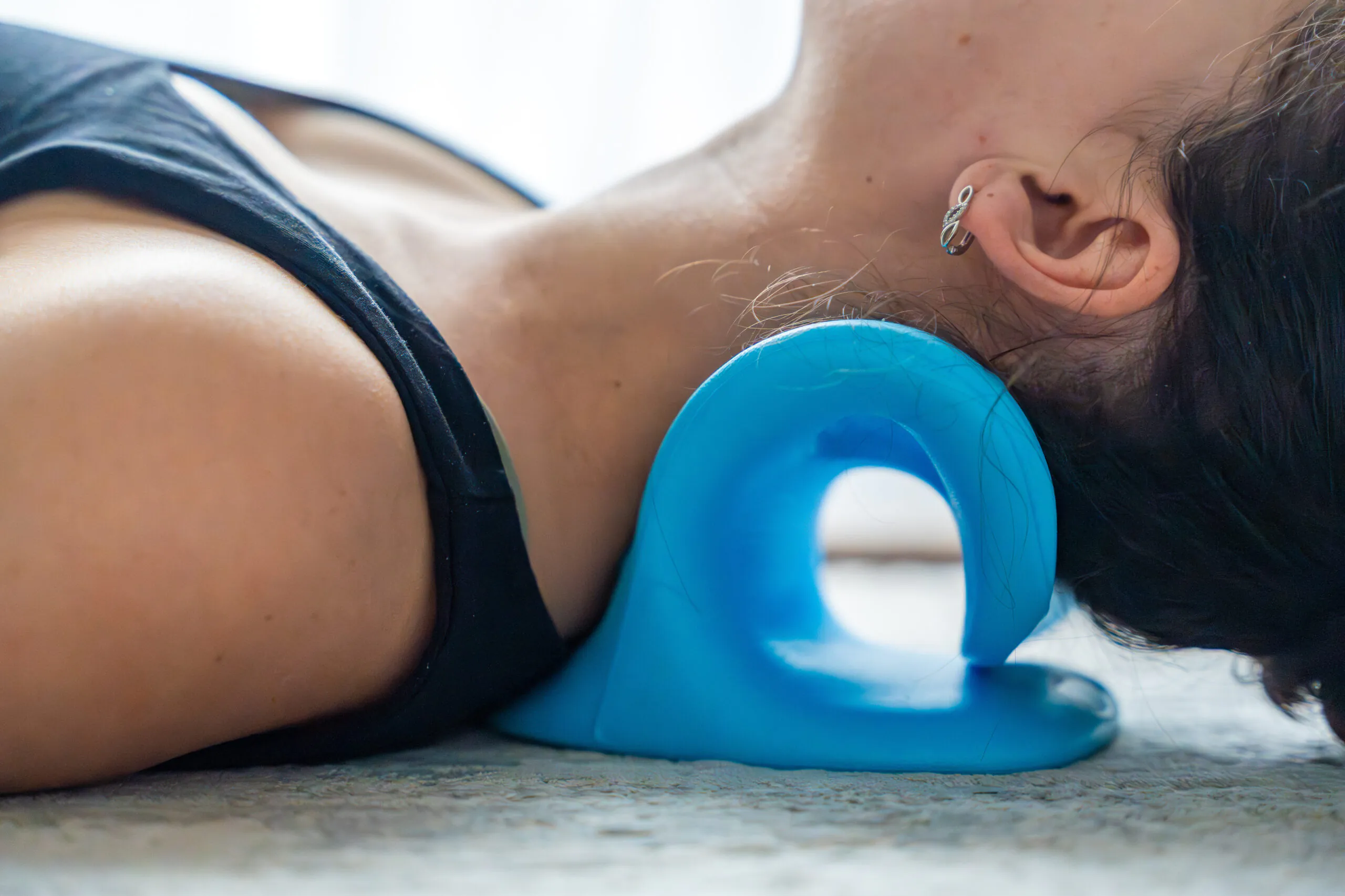

Living with chronic headaches or migraines can be frustrating, but having a plan in place can make flare-ups more manageable. At the first sign of symptoms, many individuals benefit from resting in a quiet, dark room, staying hydrated, practicing relaxation or deep breathing techniques, and taking medications as directed by their healthcare provider. If your PT has prescribed stretches or gentle mobility exercises for your neck and upper back, performing them early during a flare-up may help reduce muscle tension for headaches with a musculoskeletal component.
When headaches become frequent, it’s equally important to care for your emotional well-being. Chronic pain is associated with increased rates of anxiety, depression, and stress, all of which can influence headaches frequency and severity.1 Connecting with family, friends, support groups, or a mental health professional can provide valuable coping strategies and reduce the emotional burden of living with chronic pain. Working with your healthcare team to develop a long-term management plan can help you regain confidence and return to the activities you enjoy.
At Confluent Health, our PTs take a comprehensive, individualized approach to treating headaches and migraines. Every evaluation begins with identifying the underlying factors contributing to your symptoms, including posture, cervical spine mobility, muscle tension, strength, movement patterns, and daily activities. By addressing the root cause whenever possible we help patients improve function, reduce pain, and decrease the frequency of headaches related to musculoskeletal impairments.
Treatment plans may include hands-on manual therapy, targeted therapeutic exercise, postural retraining, ergonomic education, and personalized home exercise programs designed to support long-term success. For patients with neurological migraines, our therapists work collaboratively with primary care providers, neurologists, and other specialists to ensure each patient receives the most appropriate care. This team-based approach allows patients to benefit from conservative treatment while receiving timely referral and additional medical management when needed.
Whether your goal is returning to work without pain, enjoying recreational activities again, or simply getting through the day without frequent headaches, our team is committed to helping you move with confidence. If headaches or migraines are affecting your quality of life, schedule an evaluation with a Confluent Health physical therapist to determine whether PT can be an effective part of your recovery plan.
Yes, PT can help some people with migraines, particularly if neck pain, muscle tension, postural control, or movement impairment contribute to or trigger their symptoms. Because migraines are neurological in nature, PT is often most effective when used alongside medical management as part of a comprehensive treatment plan.
The number of PT visits varies depending on the type of headache, how long symptoms have been present, and the underlying cause. Many patients begin to notice improvement within several weeks of consistent treatment, while chronic or more complex cases may require a longer course of care combined with a home exercise program.