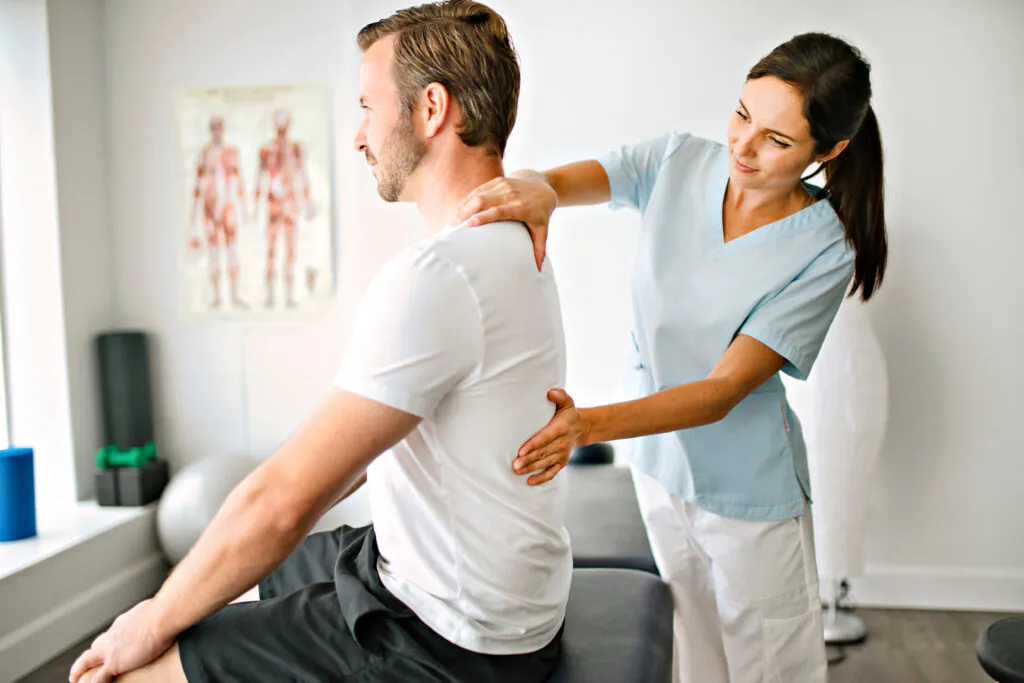
Clinicians see what is possible in chronic pain care every day.
They see patients who want to move better, understand their pain, avoid unnecessary escalation when appropriate, and regain confidence in daily life.
They also see the barriers that can make that care harder to deliver: limited visits, fragmented referrals, access challenges, inconsistent education, and systems that often treat chronic pain as a short-term episode.
That is why clinicians are not just care providers in the future of pain care.
They are system builders.
You’re Ready. The System Needs to Catch Up.
The Pain Perspective found strong clinician optimism about the future of chronic pain care. Clinicians reported belief in non-pharmacologic, movement-based treatment, patient education, and multimodal approaches.
This optimism matters.
It suggests that clinicians are not discouraged by the complexity of chronic pain. They are motivated by the opportunity to treat it better.
The clinician-focused content direction also highlights strong readiness for modern care models, patient-reported outcomes, non-pharmacologic care, and technology-supported or hybrid models that enhance — not replace — the human relationship.
Chronic Pain Requires More Than Clinical Skill Alone
Clinical expertise is essential. But chronic pain care also requires time, trust, education, communication, and a system that allows clinicians to support patients beyond isolated visits.
Patients living with persistent pain often need help understanding:
- Why pain can continue after tissues heal
- How stress, fear, sleep, and beliefs can influence symptoms
- Why movement can feel threatening
- How to rebuild confidence gradually
- What progress looks like over time
- How to manage flare-ups without losing momentum
These are not quick conversations.
They require a relationship.
And relationships require systems that value patient education, continuity, and clinician-patient time.
What Clinicians Need to Lead
Clinicians are ready to lead the future of chronic pain care, but optimism alone is not enough.
Clinicians need:
- Systems that support whole-person care
- Training grounded in modern pain science
- Time and tools to build meaningful patient relationships
- Technology that enhances human connection
- Pathways that support long-term recovery
- Outcomes that measure function, confidence, and quality of life
When these elements are in place, clinicians are better equipped to deliver the care patients want and the care the evidence supports.
Hybrid Care Can Extend the Relationship
Hybrid care is not about replacing in-person care.
It is about extending support.
Patients and providers are ready for models that improve access, consistency, education between visits, reinforcement of movement confidence, ongoing communication, and flexibility for real life.
Hybrid care works best when it expands the clinical relationship rather than shrinking it.
For clinicians, this means technology should not be framed as a substitute for care. It should be a tool that helps sustain the relationship, reinforce education, and support continuity.
Clinicians as System Builders
The future of pain care depends on clinicians who can do more than treat symptoms.
It depends on clinicians who can:
- Educate patients
- Build trust
- Translate pain science into understandable language
- Create realistic care plans
- Coordinate with other providers
- Advocate for better pathways
- Help patients measure progress in more meaningful ways
That is why investment in clinicians is investment in the system itself.
Want to Go Deeper?
Download the full report to explore the gap between clinician optimism and patient confidence — and why chronic pain care needs systems that support education, continuity, hybrid care, and whole-person practice.
Build the Future of Pain Care With Us
Clinicians are ready. Patients are ready. The opportunity now is to build systems that make better chronic pain care easier to deliver consistently.
At Confluent Health, that means investing in clinician education, leadership development, practice innovation, and care models that support the whole person.