
Foot and ankle pain can make even the simplest daily activities—walking, standing, or exercising—feel challenging. For many individuals, the solution isn’t just rest or temporary relief, but addressing the underlying mechanics of how the body moves. This is where orthotics play a powerful role. As a key component in modern physical therapy (PT), orthotics are designed to support, align, and improve the function of the feet and ankles, ultimately reducing pain and enhancing overall mobility.
This article serves as a comprehensive guide to understanding how orthotics are used in the treatment of foot and ankle conditions. Whether you’re experiencing chronic heel pain, recovering from an injury, or noticing discomfort with prolonged activity, orthotics can help reduce pressure, correct biomechanical imbalances, and support proper movement patterns. When combined with targeted PT interventions—such as strengthening exercises, mobility work, and hands-on treatment—orthotics can significantly improve outcomes and help prevent recurring issues.
Our goal is to empower you with clear, practical information so you can better understand your treatment options and take an active role in your recovery. This guide is designed not only for individuals seeking relief from foot pain, but also for patients exploring how orthotics and PT work together, and for referring healthcare providers looking to better support their patients’ long-term function and quality of life.
Orthotics are specially designed devices—commonly referred to as shoe inserts or braces—that support, align, and improve the function of the feet and ankles. They may be prefabricated or custom-made and are used to correct biomechanical abnormalities, redistribute pressure, and enhance overall movement efficiency.¹ By improving how forces are distributed through the lower extremities, orthotics can play a key role in reducing pain and preventing further injury.
Orthotics can benefit a wide range of individuals experiencing foot and ankle issues, including:
These devices are commonly recommended for individuals whose daily activity is limited by discomfort or improper foot mechanics. By providing support and improving alignment, orthotics can help restore more efficient movement patterns and reduce strain on surrounding joints and tissues.¹
Foot and ankle problems can significantly impact quality of life, making routine tasks like walking, standing, working, or exercising more difficult. Orthotics help alleviate these limitations by improving comfort, enhancing stability, and promoting better overall function.
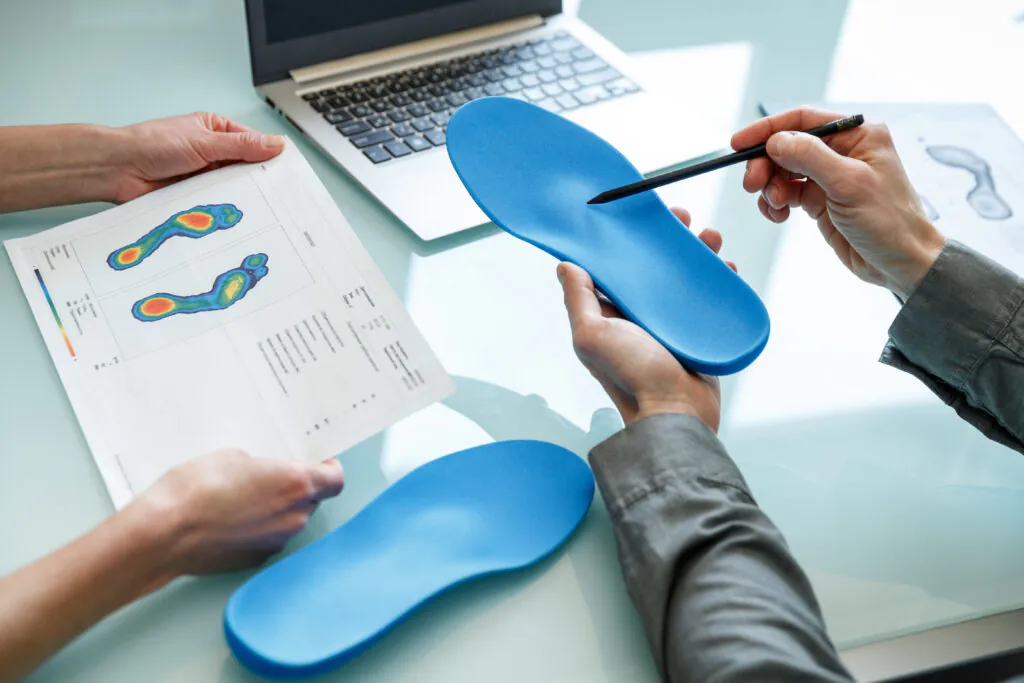
Orthotics are frequently used to address a variety of conditions affecting the feet and lower extremities. Many of these issues stem from repetitive stress, biomechanical inefficiencies, or underlying health conditions.
Overall, orthotics are often used as part of a comprehensive treatment plan to address both the symptoms and underlying causes of these conditions.
Orthotics are designed to alleviate a variety of symptoms associated with foot and ankle dysfunction by improving alignment and reducing mechanical stress. Common symptoms that may improve include:
When used in conjunction with PT, orthotics can further enhance outcomes by addressing both structural support and functional movement impairments.
While many individuals try over-the-counter inserts first, there are times when professional evaluation is essential. You should consider seeking guidance from a physical therapist if you experience:
These signs may indicate underlying biomechanical issues or conditions that require a more targeted approach. Early evaluation can help prevent further complications and guide appropriate treatment strategies.
A thorough assessment helps determine the most appropriate type of orthotic support. A physical therapist may evaluate:
This comprehensive evaluation allows clinicians to identify contributing factors such as poor biomechanics, muscle imbalances, or joint restrictions. Gait analysis and functional assessment are especially important in tailoring interventions that improve movement efficiency and reduce stress on affected tissues.⁴
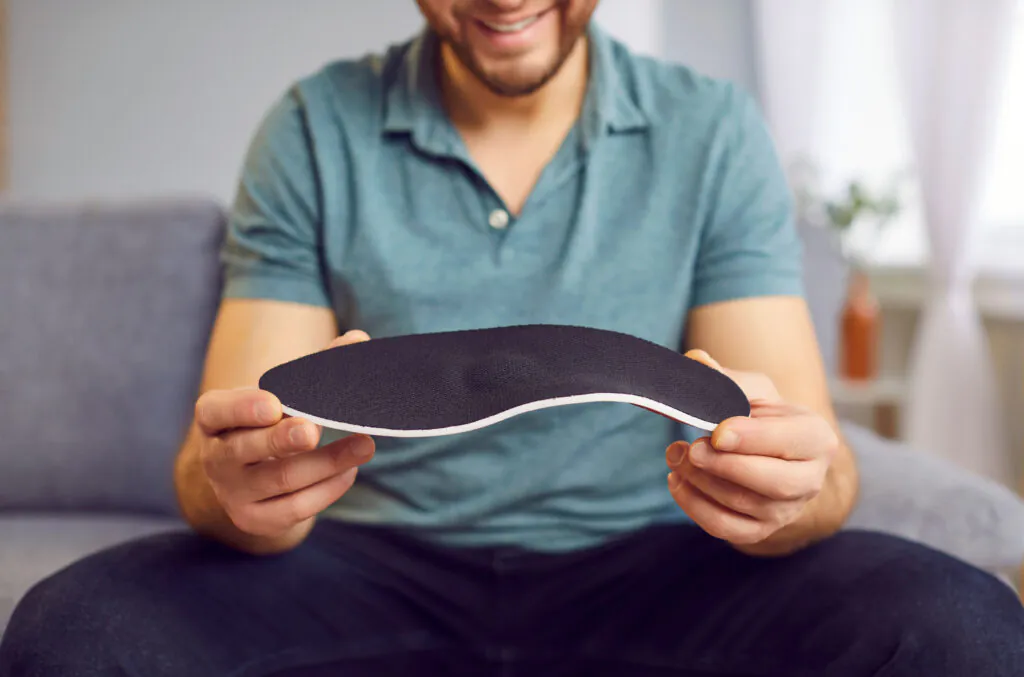
Orthotics are available in both over-the-counter (OTC) and custom options, each serving different needs.
Choosing between these options depends on symptom severity, underlying condition, and individual goals.
Orthotics are most effective when incorporated into a comprehensive, non-surgical treatment plan rather than used in isolation. Evidence supports a multimodal approach to managing foot and ankle conditions to achieve optimal outcomes. In clinical practice, orthotics are commonly combined with PT to address underlying movement dysfunctions, improve mobility, and restore proper mechanics. This is often paired with targeted strengthening and stretching exercises to correct muscle imbalances and flexibility limitations that contribute to pain and dysfunction. Additionally, activity and load management strategies help modify the intensity, frequency, or duration of daily and recreational activities to reduce stress on injured tissues, while proper footwear ensures adequate support and compatibility with orthotic devices.
Together, this integrated approach not only helps relieve symptoms but also addresses the root causes of dysfunction, reducing the risk of recurrence and promoting long-term musculoskeletal health.
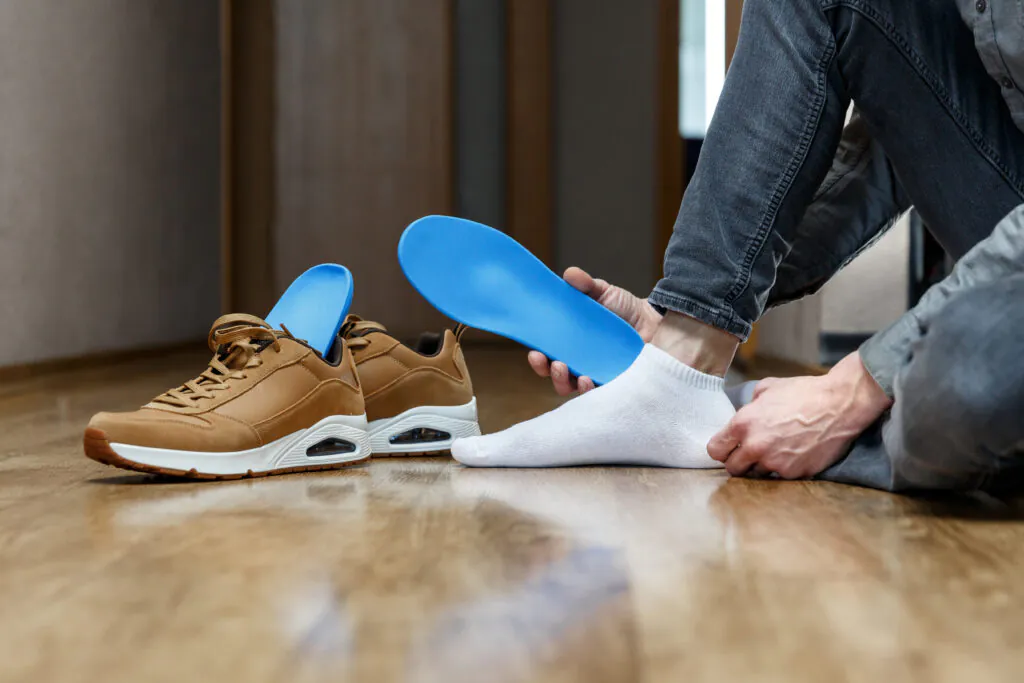
Maintaining foot and ankle health is essential for preventing injury and supporting long-term mobility. Wearing supportive footwear that matches your specific activity—whether walking, running, or standing for long periods—helps ensure proper alignment and reduces unnecessary strain on the feet. When introducing new shoes or orthotics, a gradual transition is important to allow the body to adapt and avoid irritation or discomfort. In addition, maintaining strength and flexibility in the foot and ankle through regular exercise can improve stability, enhance shock absorption, and reduce the risk of overuse injuries. A proactive approach that combines proper footwear, gradual progression, and physical conditioning plays a key role in preserving foot health over time.⁵
Beyond footwear and exercise, attention to daily habits can also make a meaningful difference. Managing training volume and avoiding sudden increases in activity intensity helps reduce repetitive stress on the tissues of the foot and ankle. For individuals who spend long hours standing or walking, incorporating rest breaks and varying positions throughout the day can further decrease cumulative load. Maintaining a healthy body weight may also reduce excessive pressure on the lower extremities, contributing to improved comfort and decreased risk of chronic conditions such as plantar fasciitis or tendon irritation. When combined with guidance from a physical therapist, these strategies help create a sustainable foundation for long-term foot health, improved function, and reduced likelihood of reinjury.
For individuals managing ongoing foot pain, orthotics can be an effective tool for improving comfort and function when used consistently. Wearing orthotics regularly in supportive, well-fitting shoes helps maintain proper alignment and reduces stress on sensitive structures. During flare-ups, modifying activities—such as reducing high-impact movements or adjusting duration and intensity—can help prevent symptom aggravation while still promoting mobility. For the best outcomes, orthotics should be combined with a structured exercise program focused on strength, flexibility, and movement quality. This integrated approach supports pain management, enhances function, and encourages long-term improvements in overall foot health.
Orthotics are just one piece of the puzzle when it comes to effectively managing foot and ankle conditions. For optimal results, they are best incorporated into a comprehensive treatment plan guided by PT. This approach may include movement retraining to correct faulty biomechanics and improve efficiency with walking, running, and daily activities. Targeted strength and mobility exercises are used to address muscle imbalances and joint limitations, while manual therapy techniques can help improve tissue mobility and reduce pain. In addition, education on proper footwear and activity modification empowers individuals to make informed decisions that support recovery and prevent further strain.
The primary goals of treatment are to reduce pain, improve overall function and mobility, and prevent recurrence of injury. By combining orthotics with skilled PT interventions, patients are better equipped to achieve lasting improvements and maintain long-term foot health.
Not everyone needs custom orthotics. Many people experience significant improvement with over-the-counter inserts, especially for mild to moderate symptoms or early-stage conditions. Custom orthotics are typically recommended if you have more complex structural issues, persistent pain, or if prefabricated options have not provided adequate relief.
Orthotics do not typically “cure” the underlying structural issue, but they can significantly reduce pain and improve function by correcting alignment and reducing stress on tissues. When combined with PT, strengthening, and proper footwear, they can help manage symptoms long term and reduce the likelihood of recurrence.
Most people should gradually increase wear time, starting with a few hours per day and building up as tolerated. Over time, orthotics are typically worn during most weight-bearing activities, especially in supportive footwear, to maintain consistent support and symptom relief.