
Maintaining mobility, strength, and independence becomes increasingly important as we age. Whether you’re managing arthritis, recovering from surgery, coping with a neurological condition, or simply noticing changes in your balance and endurance, physical therapy (PT) can help you continue doing the activities that matter most. Physical therapists (PTs) are movement experts who evaluate the underlying causes of pain and mobility limitations and develop personalized, evidence-based treatment plans to improve function, reduce fall risk, and enhance quality of life, With the right guidance, many seniors can safely stay active, maintain their independence, and enjoy a healthier more confident lifestyle at every stage of aging.
PT for seniors is a specialized area of rehabilitation focused on helping older adults maintain or restore strength, mobility, balance, flexibility, and independence as they age. PTs are movement experts who evaluate pain, weakness, balance deficits, and functional limitations to develop personalized, evidence-based treatment plans that improve movement, reduce pain, prevent falls, and enhance quality of life. Whether recovering from surgery, managing a chronic condition, or addressing age-related changes, PT helps seniors stay active and continue participating in the activities they enjoy.
As we age, maintaining mobility becomes increasingly important. More than 1 in 4 adults aged 65 years and older experiences a fall each year, making falls the leading cause of injury among adults.1 Additionally, approximately 60% of older adults have at least one chronic condition that can affect movement and function, including arthritis, osteoporosis, and heart disease.2 Research consistently shows that appropriately prescribed exercise and PT can improve strength, balance, walking ability, pain, and overall physical function while reducing fall risk and helping older adults remain independent for longer.3
PT is about much more than recovering from an injury. It helps seniors safely manage chronic conditions, improve confidence with movement, reduce the risk of future injuries, and maximize their ability to live independently, Treatment is individualized to each person’s goals, whether that means walking without assistance, returning to recreational activities, keeping up with grandchildren, or simply performing everyday tasks with greater ease.
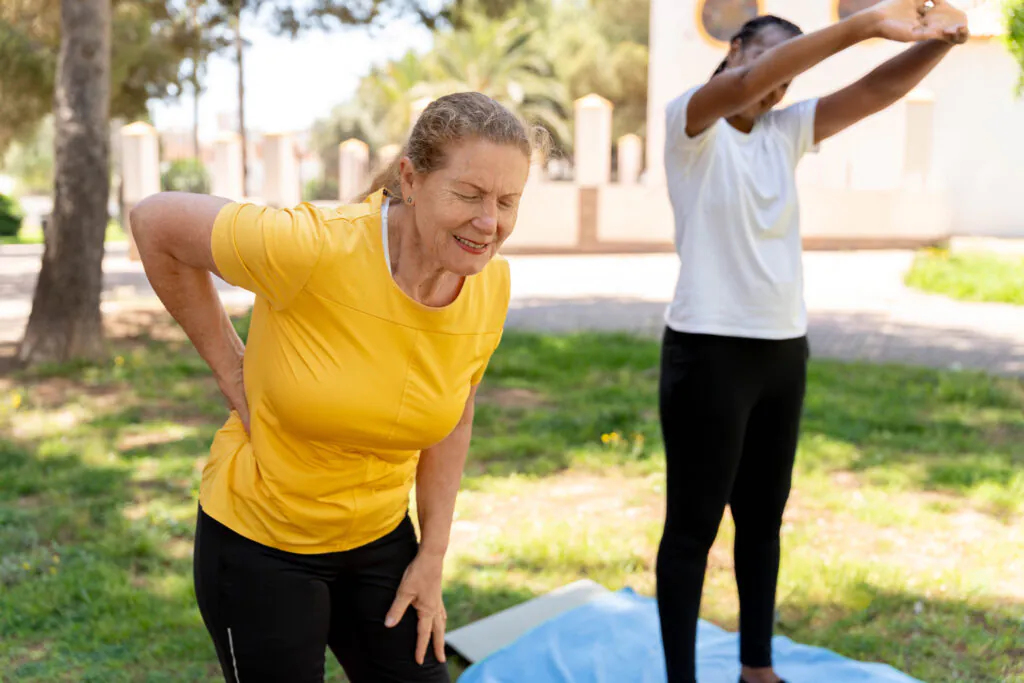
Aging naturally brings changes in strength, flexibility, balance, and bone health, but these changes do not have to limit independence or quality of life. PT can help manage many of the musculoskeletal, neurological, and balance-related conditions commonly experienced by order adults. Through individualized treatment plans, PTs help reduce pain, improve mobility, restore function, and lower the risk of falls while promoting long-term health and independence.3
Common conditions PT can help treat include:
PTs tailor treatment to each individual’s needs, using targeted exercise, progressive strengthening, balance training, gait training manual therapy when appropriate, and patient education to improve function and help seniors remain active and independent.
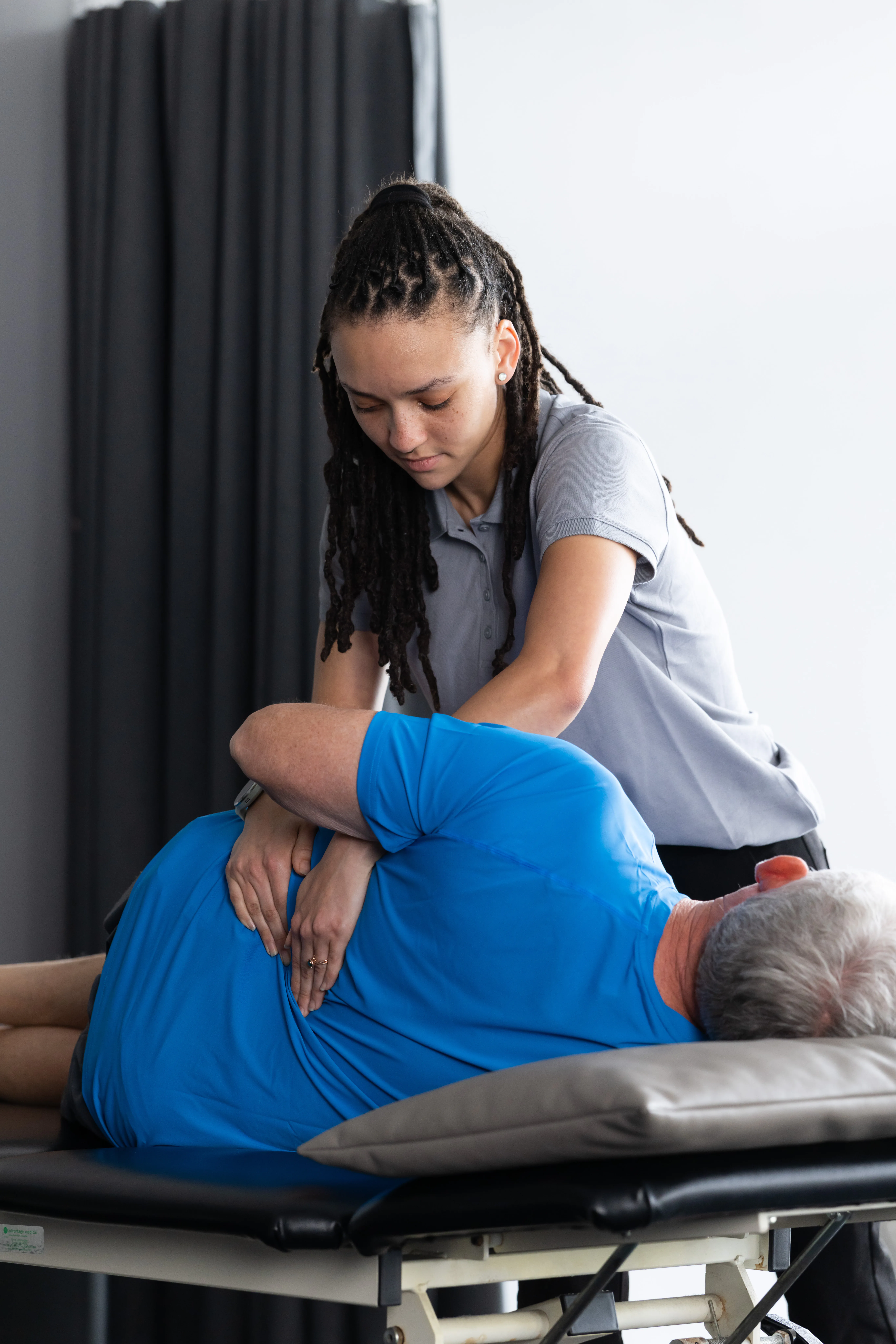

PT plays a significant role in helping seniors maintain independence, improve physical function, and continue participating in the activities that are meaningful to them. While aging can bring changes in strength, balance, and mobility PT provides evidence-based strategies to address these challenges and support healthier aging.
One of the primary goals of PT for seniors is to improve functional independence. Rather than focusing only on treating a specific injury or condition. PTs help individuals build the strength, confidence, and movement skills needed to safely perform everyday activities. This may include walking, transferring from a chair, navigation stairs, preparing meals, completing household tasks, or participating in recreational activities.
Common benefits of PT for seniors include:
Loss of muscle strength and mobility can make everyday activities more difficult and increase dependence on others. PT uses progressive strengthening exercises, functional movement training, and mobility techniques to improve muscle performance and endurance. Maintaining strength is especially important as adults age because stronger muscles support balance, joint health, and the ability to safely complete daily activities.
Many seniors experience pain related to arthritis, spinal conditions, previous injuries, or general wear and tear. PTs address contributing factors through targeted exercises, movement education, manual therapy when appropriate and strategies to improve body mechanics. The goal is not simply to reduce discomfort but to improve the individual’s ability to move and participate in daily life.
Falls are one of the most significant health concerns among older adults.1 PT focuses on improving balance coordination, lower extremity strength, and confidence with movement to reduce fall risk. Balance training may include exercises that challenge stability, walking activities, and strategies for safely navigating different environments.
For individuals with osteopenia or osteoporosis, PT can help develop safe exercise programs focused on strength, balance, and functional movement. Resistance training and weight-bearing activities can help support muscle function and overall physical health while improving confidence with movement.4
Physical limitations can sometimes cause seniors to avoid activities due to fear of falling, pain, or difficulty moving. PT helps rebuild confidence by teaching safe movement strategies and gradually increasing physical abilities. Many individuals experience improvements not only in physical function, but also in their confidence, independence, and ability to engage socially.
PT is often an important part of recovery after procedures, such as joint replacements, hospitalization, or illness. A structured rehabilitation program helps restore strength, mobility, and endurance, while helping individuals safely return to their normal routines.
PT treatment plans are based on current research, clinical expertise, and each patient’s individual needs. Common approaches may include:
The ultimate goal of PT for seniors is to help individuals remain as active, safe, and independent as possible. Whether the goal is recovering after surgery reducing pain, preventing falls, or maintaining the ability to enjoy everyday activities, PT provides a personalized approach to supporting lifelong health and function.
Yes. PT is designed to be safe and individualized for each person’s current abilities, health conditions, and goals. PTs evaluate strength, mobility, balance, and medical history to create a treatment plan that challenges patients appropriately while prioritizing safety and preventing injury.
Yes, PT can help reduce fall risk by improving balance, leg strength coordination, walking ability, and confidence with movement. PTs can also identify factors contributing to falls and provide strategies, exercise, and recommendations to improve safety at home and during daily activities.
No, PT can benefit seniors even before a major injury or significant decline occurs. Many older adults work with a PT to improve strength, maintain mobility, prevent falls, manage chronic conditions, and stay independent with the activities they enjoy.