
Vacation is a time to step away from your normal routine. The alarm clock is off, emails are muted, and your regular workouts or home exercises may feel easy to skip.
But while your mind may be relaxing, your body is often doing something very different.
Long flights, extended car rides, heavy luggage, unfamiliar beds, extra walking, and changes in routine can all place new stress on your joints and muscles. When you go from regular movement to suddenly sitting for hours — and then ask your body to lift, carry, walk, climb, or explore — stiffness and soreness can show up quickly.
The good news: you do not need a full gym routine to keep your body feeling better while you travel. A small amount of consistent movement can help you maintain the progress you have already made.
Why Movement Matters While You Travel
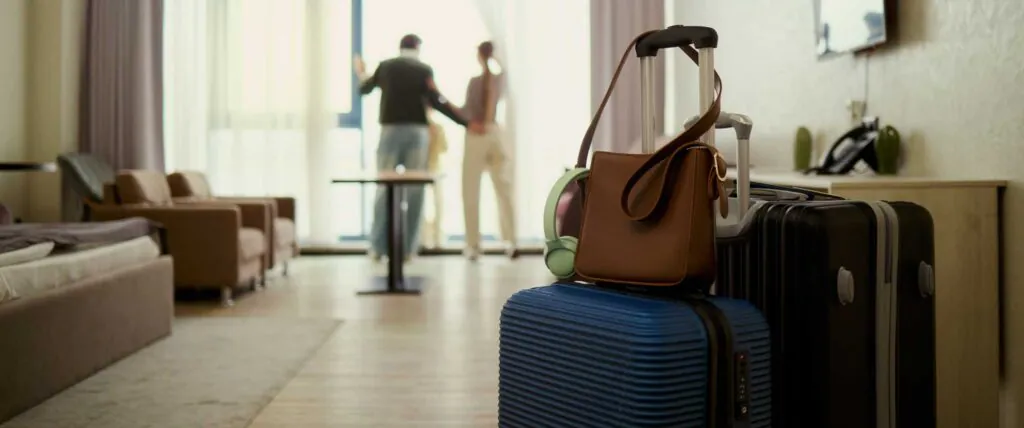
Your joints and muscles are designed to move. Regular movement helps keep your joints lubricated, your muscles active, and your body better prepared for daily activity.
When you suddenly stop moving as much, your body may feel the difference. Sitting for long periods can tighten the hips, stiffen the spine, and make muscles feel less responsive. This can contribute to common travel-related aches such as lower back pain, neck tension, hip tightness, or general soreness.
This does not mean you need to work out hard on vacation. It simply means your body benefits from staying active in small, manageable ways.
The Goal: Maintain Activity, Not Overdo It
If you are traveling, busy, or out of your normal routine, the goal is not perfection. The goal is maintenance.
Even a short movement routine can help preserve strength, mobility, and confidence. This is especially helpful if you are currently in physical therapy, recently finished care, or have been working hard to manage pain or improve function.
Think of it as the “bare minimum” your body needs to stay on track. A short workout or home exercise session every week or two may help maintain progress, but it likely will not be enough if your goal is to keep improving. For continued gains in strength, balance, mobility, or pain reduction, you may need a more consistent plan.
Simple Travel Exercises to Keep You Moving
Here are a few equipment-light movements that can help your body stay resilient while you are away.
1. Walking Lunges
After sitting in a car or plane, your hip flexors can become tight and your glute muscles may feel inactive. Walking lunges help open the front of the hips while activating the muscles that support your pelvis and lower back.
Try 2–3 sets of 8–10 controlled steps on each side.
2. Planks, Push-Ups, and Squats
This simple trio helps wake up your core, upper body, hips, and legs. These muscles support everyday travel activities like lifting suitcases, climbing stairs, walking on uneven ground, or standing for long periods.
Try a short circuit:
- 20–30 second plank
- 8–12 push-ups, modified if needed
- 10–15 bodyweight squats
Repeat 1–3 times, depending on how you feel.
3. Gentle Yoga or Mobility
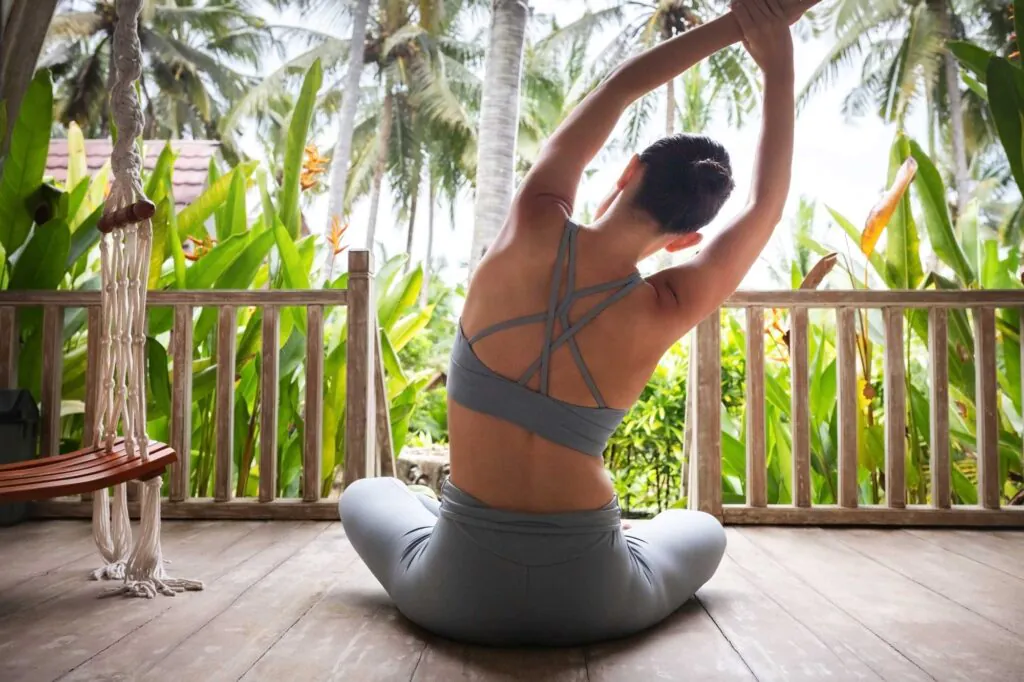
A few minutes of mobility can help reduce stiffness from sitting, driving, flying, or sleeping in a different bed. Movements like Cat-Cow, Child’s Pose, or Downward Dog can help loosen the spine, hips, shoulders, and neck.
Even 5–10 minutes in your hotel room can make a difference.
4. Resistance Band Exercises
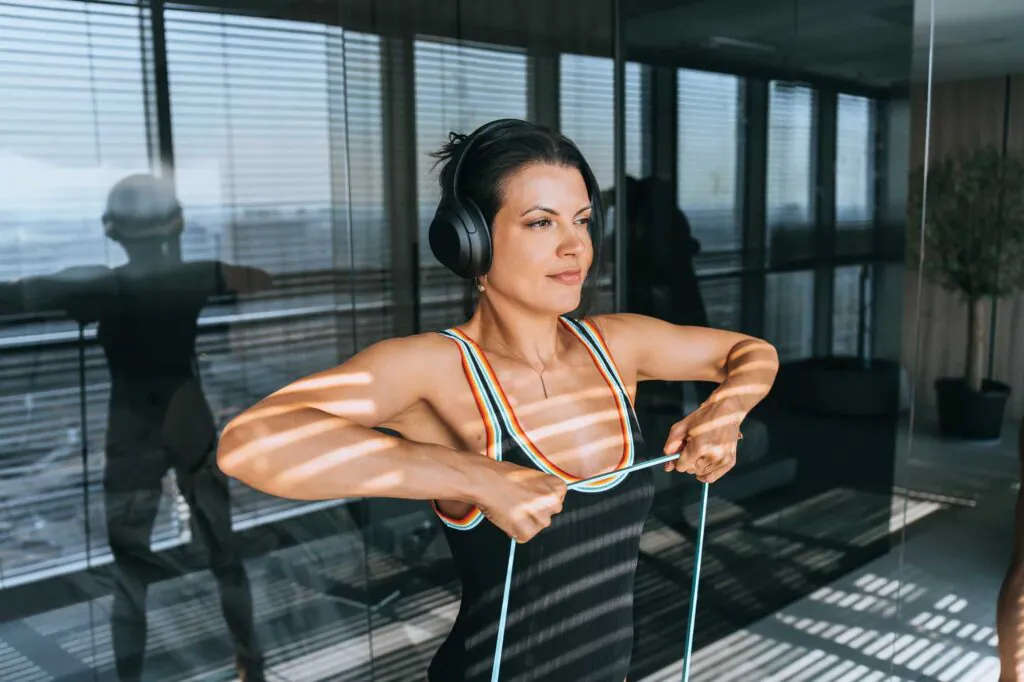
Resistance bands are lightweight, easy to pack, and helpful for keeping muscles active while traveling. Band pull-aparts, rows, or gentle shoulder exercises can help support posture and reduce upper-back or neck tension from carrying bags.
A few minutes of band work can be especially helpful after a long travel day.
Keep It Simple

You should not need a vacation to recover from your vacation.
By keeping a small amount of movement in your travel routine, you can help reduce stiffness, maintain progress, and feel more comfortable doing the activities you planned your trip around.
If you are already managing pain, recovering from an injury, or working through a home exercise program, talk with your physical therapist before you travel. They can help you create a simple plan that fits your trip, your body, and your goals.
